Middle East Travel Warnings
Federal Officials Warn Americans to Leave Middle East Amid New Iranian Strikes
Anonymous
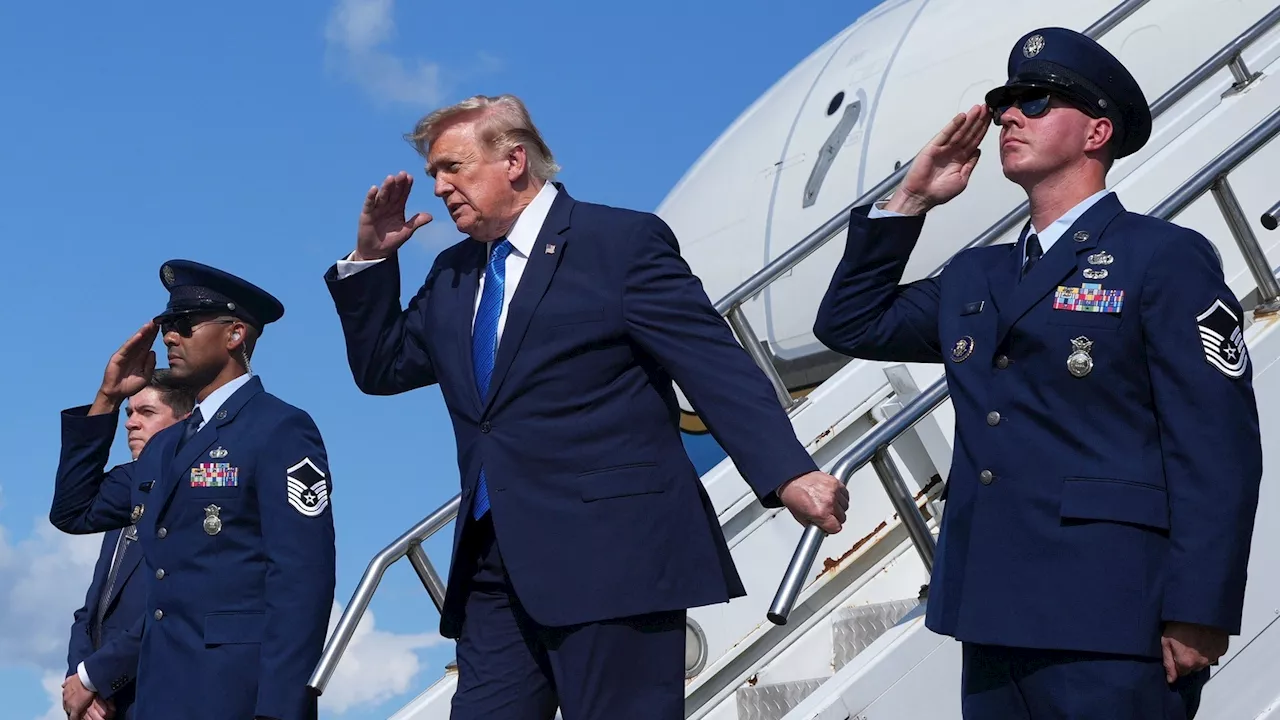
Iran has launched a new wave of strikes against targets in the Middle East, and U.S. federal officials are now warning Americans in the region to leave immediately. KENS5 reported the warning as tensions between Washington and Tehran continued to escalate rapidly.
President Donald Trump has threatened additional strikes on Iran, vowing to keep up military pressure until the Strait of Hormuz is fully reopened. The strait is a narrow waterway through which a large share of the world's oil flows. WCVB and multiple other outlets confirmed Trump's warning following a new round of Iranian drone attacks.
Iran's New Drone Attacks Trigger U.S. Warning to Citizens
Iran launched a fresh round of drone attacks, prompting swift responses from neighboring countries. Kuwait's air defenses activated in response to the new wave, KMBC reported. Jordan's air defenses also intercepted incoming fire, according to Head Topics.
U.S. federal officials responded by urging all American citizens still in the Middle East to leave as soon as possible. The warning signals a sharp rise in how dangerous Washington believes the region has become. Officials did not specify which countries were most at risk.
Trump Threatens Harder Strikes if Hormuz Stays Closed
Trump made clear the U.S. is not done with military action. He threatened more strikes on Iran if the Strait of Hormuz is not reopened. The strait connects the Persian Gulf to the open ocean. About 20% of the world's oil passes through it each day.
The U.S. has been pressing Iran to reopen the strait since it was effectively closed amid the ongoing conflict. WLWT reported that Trump's tone was firm and direct, leaving little room for diplomatic ambiguity. No timeline was given for any new military action.
Regional Allies Scramble as Attacks Spread Across the Gulf
The conflict is no longer contained to Iran and the U.S. Neighboring countries are now actively defending their airspace. Kuwait and Jordan both intercepted Iranian drones, WESH reported. This marks a significant widening of the crisis across the Gulf region.
WXII12 noted that countries in the area are being pulled into a conflict they did not start. The spread of drone attacks across multiple borders raises fears of a broader regional war. Analysts warn that each new interception raises the risk of a wider military miscalculation.
Strait of Hormuz Closure Fuels Global Energy Fears
The Strait of Hormuz remains a key flashpoint. If it stays closed, global oil supplies could be severely disrupted. WAPT reported that the U.S. is making the strait's reopening a central demand in its pressure campaign against Tehran.
Energy markets are watching the situation closely. Any prolonged closure of the strait could send oil prices sharply higher around the world. The U.S. has framed keeping the strait open as a matter of global economic security. No resolution appears close as both sides continue to exchange military blows.
Sentiment
NeutralNEGATIVENEUTRALPOSITIVE
Publishers
15
Articles
14
Reach
15
A
AnonymousAuthor


