US Urges Americans Reconsider Middle East Travel
US Urges Americans Reconsider Middle East Travel
Anonymous
Key Points
1
Saudi Arabia’s coalition said the Houthi attacks also attempted to hit civilian infrastructure in Bisha, Taif, Farasan and Yanbu, beyond the reported missile aimed at Riyadh.
2
The State Department maintains a Level 3 “Reconsider Travel” advisory for Saudi Arabia, citing risks including armed conflict, terrorism, exit bans and restrictions related to local social-media laws.
3
The department warned that debris from intercepted missiles and drones could endanger people on the ground, noting that previous Iranian attacks have struck cities, airports, military bases, diplomatic facilities and energy installations in Saudi Arabia.
4
U.S. government employees in Saudi Arabia face additional movement restrictions: travel within 20 miles of the Yemen border is prohibited, while travel to Jizan, Asir, Najran and Qatif requires special authorization.
5
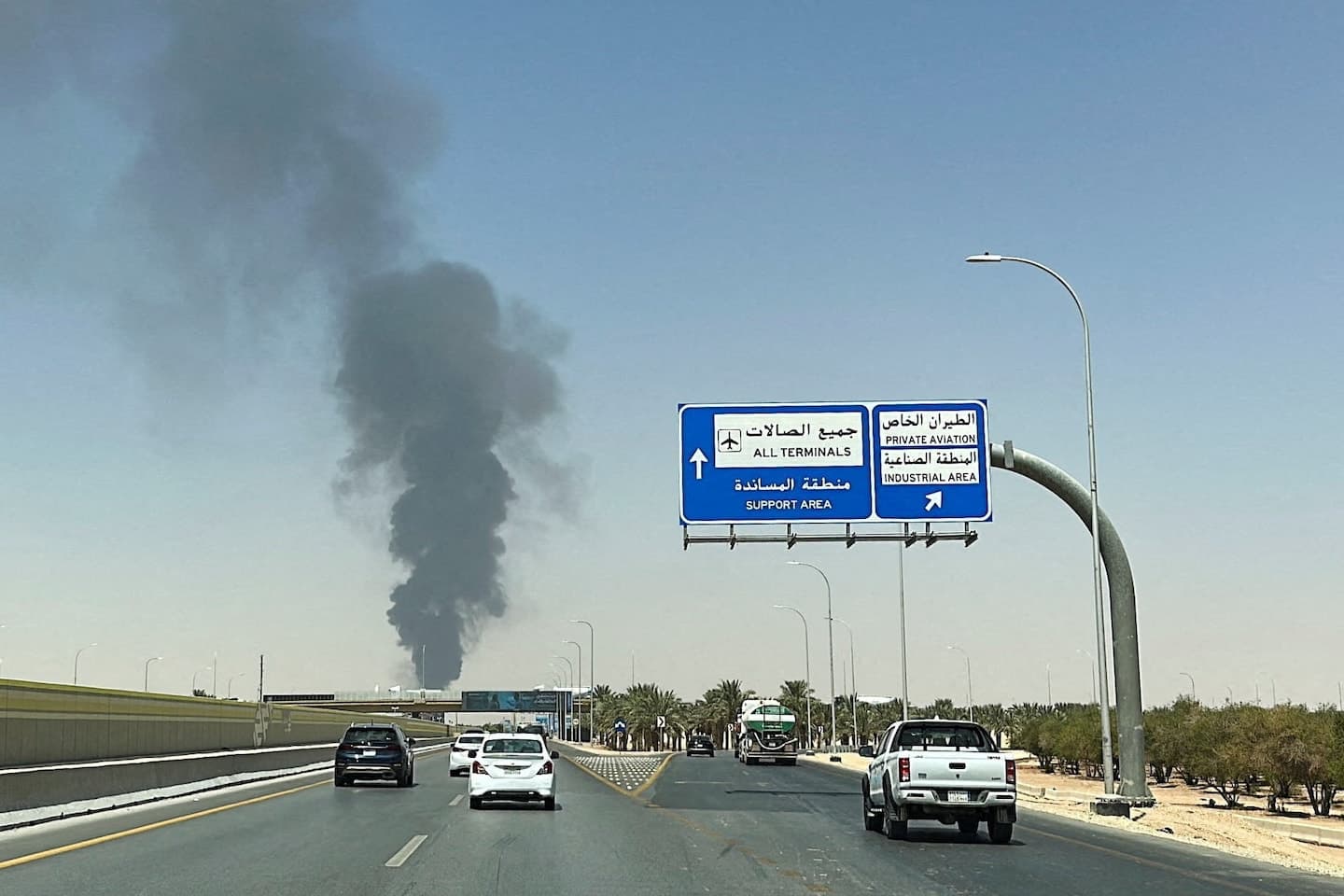
The Houthi group claimed it had targeted “sensitive” sites in Riyadh; reports described flames and a large plume of black smoke near the city’s airport, while Saudi authorities later issued an all-clear after saying the missile had been intercepted.
The U.S. State Department urged Americans outside the Middle East to reconsider all travel to the region, citing risks of rapid escalation and potential airspace closures New Indian Express. The warning came after Houthi fighters launched missile and drone attacks on Saudi Arabia, with reports of flames and black smoke near Riyadh's airport Moneycontrol.
Americans already in the Middle East face heightened threats. The State Department warned that Iran and affiliated groups could target U.S. diplomatic facilities, businesses, and other American interests News on Air. Debris from intercepted missiles poses additional danger to people on the ground.
Houthis Strike Saudi Arabia With Missiles and Drones
Yemen's Houthi fighters attacked Saudi Arabia with multiple missiles and drones targeting civilian infrastructure. The attacks aimed at the cities of Riyadh, Bisha, Taif, Farasan, and Yanbu New Indian Express. Saudi air defenses said they intercepted the main missile, but flames and a large black plume appeared near Riyadh's airport before authorities issued an all-clear Gulte.
The Houthi group claimed it had targeted "sensitive" sites in the Saudi capital. Previous Iranian attacks on Saudi Arabia have struck cities, airports, military bases, diplomatic facilities, and energy installations News on Air.
Flight Disruptions and Airspace Closures Threaten Travelers
The State Department warned of possible flight cancellations and airspace closures across the region Gulte. Americans should monitor airport and airline operations closely. Travel disruptions could leave tourists stranded or unable to depart the Middle East during further escalation.
The department maintains a Level 3 "Reconsider Travel" advisory for Saudi Arabia, citing armed conflict, terrorism, exit bans, and restrictions tied to local social-media laws News on Air. The warning applies to all Americans considering trips to the kingdom.
Strict Movement Limits for U.S. Government Workers
U.S. government employees in Saudi Arabia face severe travel restrictions. Travel within 20 miles of the Yemen border is prohibited entirely New Indian Express. Additional cities—Jizan, Asir, Najran, and Qatif—require special authorization before any travel.
These restrictions show how seriously the State Department takes the escalation risk. Even diplomats and official U.S. staff cannot move freely within the kingdom. The heightened security posture signals expect conditions could worsen rapidly.
Iran and Proxy Groups Pose Direct Threat to Americans
Beyond Saudi Arabia, the State Department warned that Iran and its affiliated groups could target U.S. diplomatic facilities and American businesses across the Middle East Moneycontrol. The threat extends to any locations associated with Americans throughout the region.
Falling debris from intercepted missiles and drones adds another layer of danger Gulte. Even successful interceptions scatter shrapnel across cities and populated areas, putting civilians at serious risk regardless of conflict intensity.
Sentiment
Mostly NegativeNEGATIVENEUTRALPOSITIVE
Publishers
27
Articles
39
Reach
66
A
AnonymousAuthor