Officers Injured In Shootings
Two Separate Contra Costa County Shootings Leave Police Officers Hospitalized
Anonymous
Key Points
1
Police said no officers fired their weapons during the Richmond standoff, despite the suspect’s continued gunfire from inside the home.
2
Richmond Police Chief Timothy Simmons said the volume of gunfire created the potential for a much larger tragedy: “Given the number of rounds fired, this incident could have ended with many additional injuries or several losses of life.”
3
The response included deputies from the Contra Costa County Sheriff’s Office, the East Bay Regional Park District Police Department and the El Cerrito Police Department, in addition to Richmond police personnel.
4
The A3 behavioral-health team requested police assistance because of the nature of the mental-health call, rather than responding alone.
5
A shelter-in-place order covering the immediate area was lifted at about 11 p.m. after the suspect was arrested.
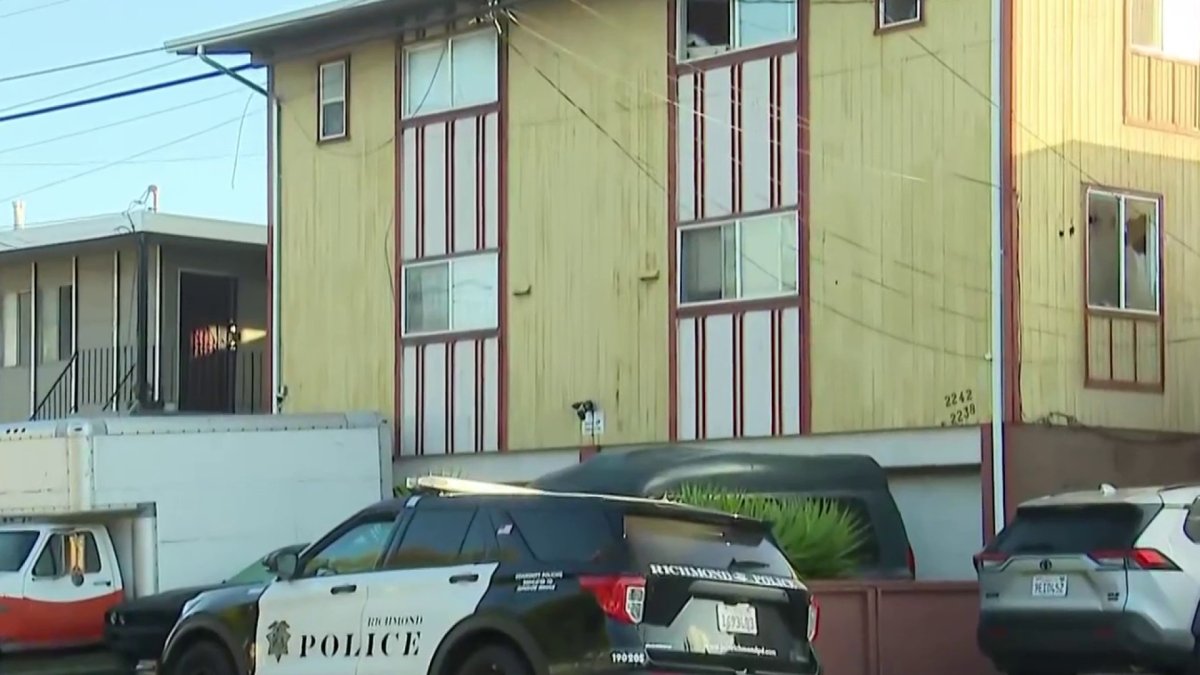
A Richmond police officer was shot Thursday evening while responding to a mental-health check on Key Boulevard, marking the second shooting of a law enforcement officer in Contra Costa County within hours KQED. The officer, a 20-year veteran, was hospitalized in stable condition and is expected to survive KQED. A female suspect barricaded herself inside the home and fired multiple rounds that struck a patrol vehicle and neighboring homes before authorities used chemical agents and arrested her SFist.
Separately in Pittsburg, a 31-year-old suspect allegedly brought a firearm into a police-station holding cell after being arrested and booked Patch. A struggle with an officer led to a gunshot that injured both of them. The Pittsburg officer was hospitalized in serious but stable condition, and the suspect was listed as stable Patch.
Gunfire Erupts During Richmond Wellness Check
Richmond police arrived at an apartment complex around 6:40 p.m. for a mental-health wellness check conducted by Contra Costa County's A3 behavioral-health team KRON4. The suspect opened fire immediately upon the officer's arrival, striking him as he responded SFist. She then barricaded herself inside and continued firing at the home and surrounding area.
Richmond Police Chief Timothy Simmons warned that the volume of gunfire created enormous risk: "Given the number of rounds fired, this incident could have ended with many additional injuries or several losses of life SFist." No officers fired their weapons during the standoff, despite the suspect's continued gunfire from inside SFist.
Multi-Agency Response Ended Standoff With No Escalation
The response included deputies from the Contra Costa County Sheriff's Office, the East Bay Regional Park District Police Department, and the El Cerrito Police Department Patch. SWAT teams, negotiators, and crisis teams established a perimeter and made contact with the suspect. Authorities deployed chemical agents, and the suspect eventually exited and was arrested Patch.
A shelter-in-place order covering the immediate area was lifted at about 11 p.m. after the suspect was arrested Patch. Officials had not immediately announced charges against the suspect. The coordinated response prevented the situation from escalating further, with no additional injuries reported NBC Bay Area.
Pittsburg Station Shooting Leaves Two Officers Injured
In a separate incident, a 31-year-old suspect was arrested and booked at a Pittsburg police holding cell Patch. After entering the cell, the suspect allegedly produced a firearm. A struggle erupted with an officer, resulting in a gunshot that injured both the suspect and the officer Patch.
The Pittsburg officer was hospitalized in serious but stable condition, while the suspect remained in stable condition Patch. The Pittsburg Police Department and Contra Costa County District Attorney's Office are investigating the incident. The two shootings within hours highlighted ongoing risks that law enforcement faces during crisis responses and custody operations.
Why Behavioral Health Teams Request Police Support
Contra Costa County's A3 behavioral-health team requested police presence during the Richmond wellness check because the call involved circumstances considered sufficiently risky to require officer backup KQED. The immediate gunfire upon arrival demonstrated why advance risk assessment matters. The first officer faced an unknown threat that escalated instantly to armed violence.
Mental-health crisis calls can rapidly become armed-response incidents when a person inside a residence has access to a firearm KQED. Here, subsequent gunfire struck neighboring homes and police vehicles, illustrating the operational challenge of protecting both responders and the community. Flexible de-escalation capabilities and coordinated police support help manage these unpredictable situations KQED.
Sentiment
Mostly NegativeNEGATIVENEUTRALPOSITIVE
Publishers
14
Articles
5
Reach
19
Topics
A
AnonymousAuthor


