First Work Mandate
Nebraska implements first-in-nation Medicaid work requirements, sparking questions from advocates
Anonymous
Nebraska made history on Saturday by becoming the first state in the nation to check whether certain Medicaid recipients meet new federal work requirements, according to Omaha World-Herald. The rollout puts Nebraska at the center of a national debate over whether work mandates help or harm low-income Americans who depend on the program for health coverage.
Advocates and health policy experts are already raising concerns. They want more data on how many people are being checked, who might lose coverage, and whether the state has enough safeguards in place, The Independent reported.
Nebraska Becomes First State to Enforce Medicaid Work Rules
The new checks began Saturday under a federal waiver that lets Nebraska require some Medicaid beneficiaries to prove they are working, volunteering, or in job training. Medicaid is the government health insurance program for people with low incomes. Nebraska is the first state to actually start verifying compliance, Omaha World-Herald reported.
Not every Medicaid recipient is affected. The rules apply to a specific group — generally able-bodied adults without dependents. Exemptions exist for people who are disabled, pregnant, or caring for young children, according to Wahoo-Ashland-Waverly News. Still, advocates warn that even eligible people could lose coverage due to paperwork problems.
Advocates Push for Transparency on Who Gets Checked
Health advocates say the state has not released enough information about how the checks work. They want to know how many people are being reviewed, what happens when someone misses a deadline, and how the state will notify people at risk of losing coverage, Lexington Clipper-Herald reported.
Advocates also worry about people who qualify for exemptions but do not know it. Many low-income Nebraskans lack reliable internet or transportation. That makes it harder to submit paperwork on time. Missing a deadline could mean losing health insurance, even for someone who technically meets the requirements.
A National Debate Playing Out in One State
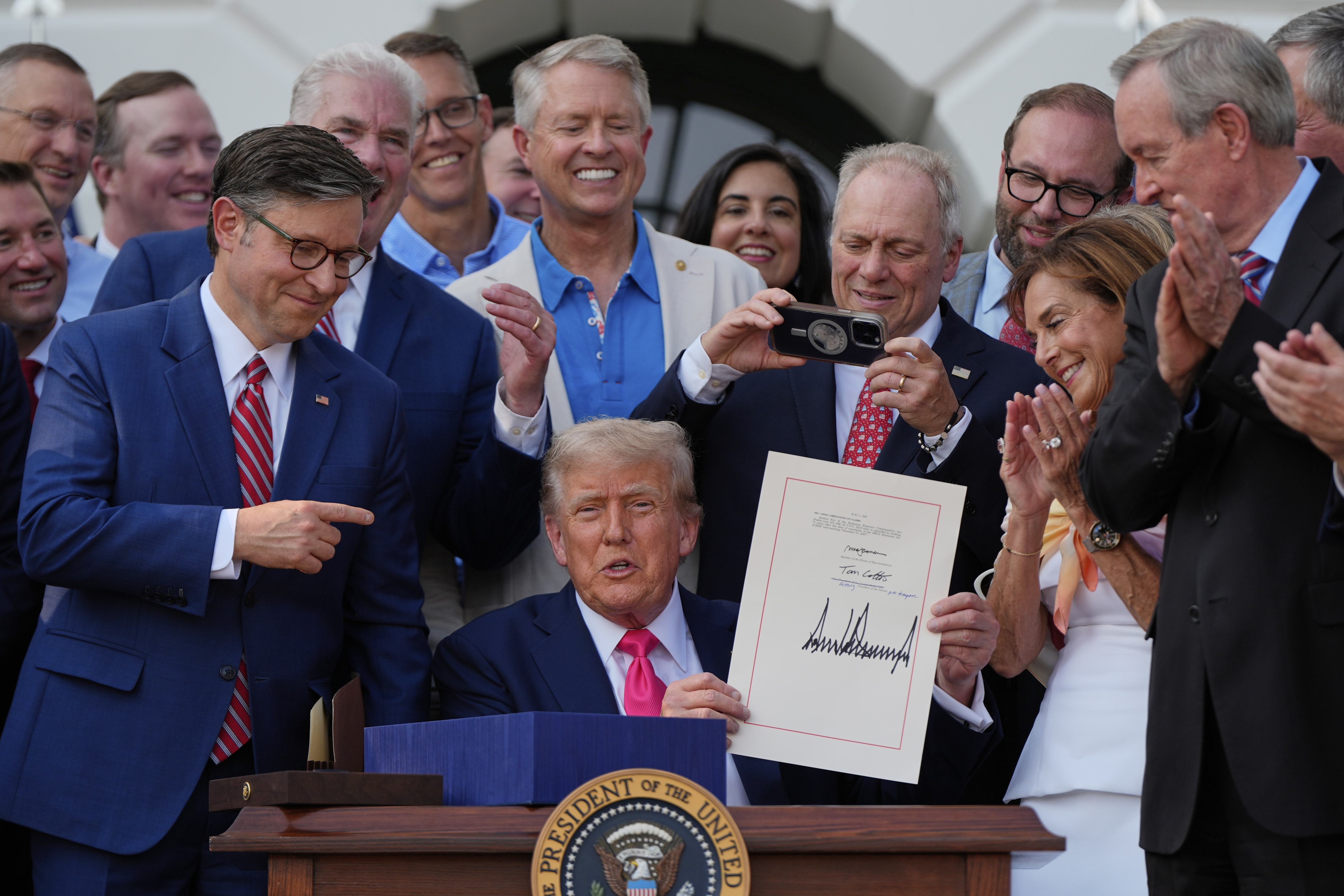
Nebraska's rollout is being watched closely across the country. Republican-led states have long pushed for Medicaid work requirements, arguing they encourage self-sufficiency and reduce program costs. Congress included work requirement language in recent federal legislation, giving states a path to move forward, according to The Independent.
But critics point to Arkansas, which tried a similar program in 2018. Around 18,000 people lost coverage in just a few months before a federal court blocked the policy. Most of those people were already working or qualified for exemptions — they simply could not navigate the paperwork, Omaha World-Herald noted.
What Comes Next for Nebraska and Other States
Nebraska officials say they are taking a careful approach and will give people time to respond before anyone loses coverage. But advocates say the timeline is unclear and the state needs to communicate better with affected residents, according to Wahoo-Ashland-Waverly News.
Other states are watching Nebraska's experience closely. If the rollout goes smoothly, more states are expected to launch their own work requirement programs in the months ahead. If coverage losses spike, it could fuel legal challenges and political backlash. Nebraska, for now, is the test case.
Sentiment
NeutralNEGATIVENEUTRALPOSITIVE
Publishers
4
Articles
5
Reach
5
A
AnonymousAuthor


