Protecting Domestic EV Manufacturing
UK Weighs Steep Tariffs on Chinese Electric Vehicles to Protect Domestic Manufacturers
Anonymous
Key Points
1
Introducing tariffs could require a lengthy World Trade Organization process: the EU took 13 months from opening its subsidy investigation to imposing duties in October 2024.
2
The EU is by far the UK’s largest car-export market: it accounted for 58% of British car exports in the first half of 2026, compared with about 4% for China.
3
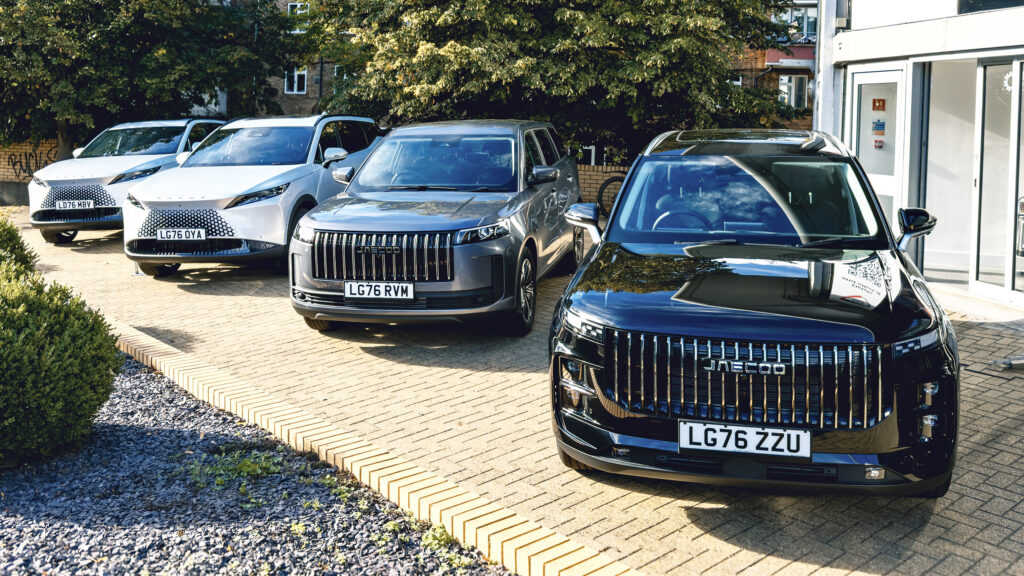
Chinese models had a substantial presence in the UK market: nearly a quarter of cars sold in September were Chinese, and the Jaecoo 7 led monthly new-car sales with 10,813 deliveries.
4
The EU’s proposed rules would favour European-made goods in areas such as subsidies, tax incentives and public procurement, while requiring manufacturers to source components from the continent.
5
The Guardian reports that the UK has argued it does not need trade barriers like the EU because its trade deficit is smaller; the EU’s deficit was then running at more than £1 billion a day.
The UK is weighing tariffs of up to 45% on Chinese electric vehicles to align with European trade policy and protect access to its largest car-export market. The Times reports that Business Secretary Jonathan Reynolds is drawing up tariff options ahead of an upcoming UK-EU summit. The move would represent a sharp reversal from the UK's current open stance—it maintains only a standard 10% import tariff on all cars, while the EU imposed duties reaching 45% in October 2024.
Brussels has warned that without aligned tariffs, UK vehicles risk losing access to the EU's proposed "Made in Europe" industrial scheme, which favors European-sourced goods and components. The EU accounted for 58% of British car exports in the first half of 2026, dwarfing China's 4% share. Yet any tariff move carries risks: Chinese automakers now claim nearly a quarter of UK new-car sales, and Beijing would likely retaliate against British brands like Jaguar Land Rover.
Chinese EVs Have Flooded the UK Market
Chinese-made vehicles have surged in popularity across Britain. In September 2026, nearly a quarter of all new cars sold in the UK came from Chinese makers, a record high according to SMMT. The Jaecoo 7, built by Chery, led overall monthly sales with 10,813 deliveries—outpacing traditional British and European brands. This growth reflects aggressive pricing that has made electric vehicles more affordable for consumers.
EU Pressure Forces UK to Choose Sides
The European Commission has privately warned UK ministers that failure to impose tariffs could exclude Britain from the benefits of its new industrial scheme. According to analysis from Flint Global, Brussels fears the UK could become a "backdoor" route for Chinese EVs to enter Europe. The EU itself spent 13 months investigating Chinese subsidies before imposing duties in October 2024. Business Secretary Reynolds has cautioned that UK levies would "probably be reciprocated" by Beijing.
At stake is access to an €80 billion annual automotive trading relationship. The EU absorbed 58% of British car exports in the first half of 2026—far more than any other market. Losing preferred status under the "Made in Europe" scheme could devastate UK manufacturers who depend on continental sales and supply chains.
A Long Process With Uncertain Outcomes
Imposing tariffs is not simple. The UK would typically need to launch a lengthy investigation through the Trade Remedies Authority or follow World Trade Organization procedures—similar to the EU's 13-month anti-subsidy investigation. The Guardian reports that government officials have not yet confirmed plans and say they will consult industry before acting.
Industry leaders are divided. The Society of Motor Manufacturers and Traders warns that restrictions risk "unintended consequences," while Chinese firms like Chery are actively negotiating to build vehicles at Nissan's UK plant. Higher tariffs could raise EV prices for British consumers and jeopardize inbound manufacturing investment—the very thing the policy aims to protect.
Retaliation From Beijing Could Hurt British Brands
China has not commented publicly, but analysts expect swift retaliation if the UK aligns with EU tariffs. British automakers—particularly premium brands like Jaguar Land Rover—rely heavily on Chinese sales and manufacturing partnerships. According to industry experts, tariffs could disrupt those ties and invite tit-for-tat duties on UK-made cars entering China. The government faces a difficult trade-off: align with Europe and risk Chinese anger, or maintain open markets and lose EU trade perks.
Sentiment
Mostly NegativeNEGATIVENEUTRALPOSITIVE
Publishers
31
Articles
75
Reach
106
A
AnonymousAuthor


