Blocking Chinese Automakers
U.S. Automakers Urge Trump to Preserve Restrictions on Chinese Competitors
Anonymous
Key Points
1
The coalition’s March 12 letter was signed by five groups: the Alliance for Automotive Innovation, the National Automobile Dealers Association, Autos Drive America, the American Automotive Policy Council and MEMA, the Vehicle Suppliers Association.
2
The groups warned that allowing Chinese automakers to establish U.S. plants would give them “a foothold in the U.S. market at the expense of manufacturers operating here” and said localized Chinese production would not advance the administration’s manufacturing or national-security goals.
3
American Automotive Policy Council President Matt Blunt argued that Chinese automakers benefit from state subsidies, currency manipulation and other “non-market advantages,” and said those advantages must be addressed before Chinese companies manufacture or sell vehicles in the United States.
4
UAW President Shawn Fain contrasted Chinese labor practices with U.S. interests, saying, “We shouldn't be doing business with countries that basically want slave labor,” and characterized Chinese vehicle production in the United States as a national-security issue.
5
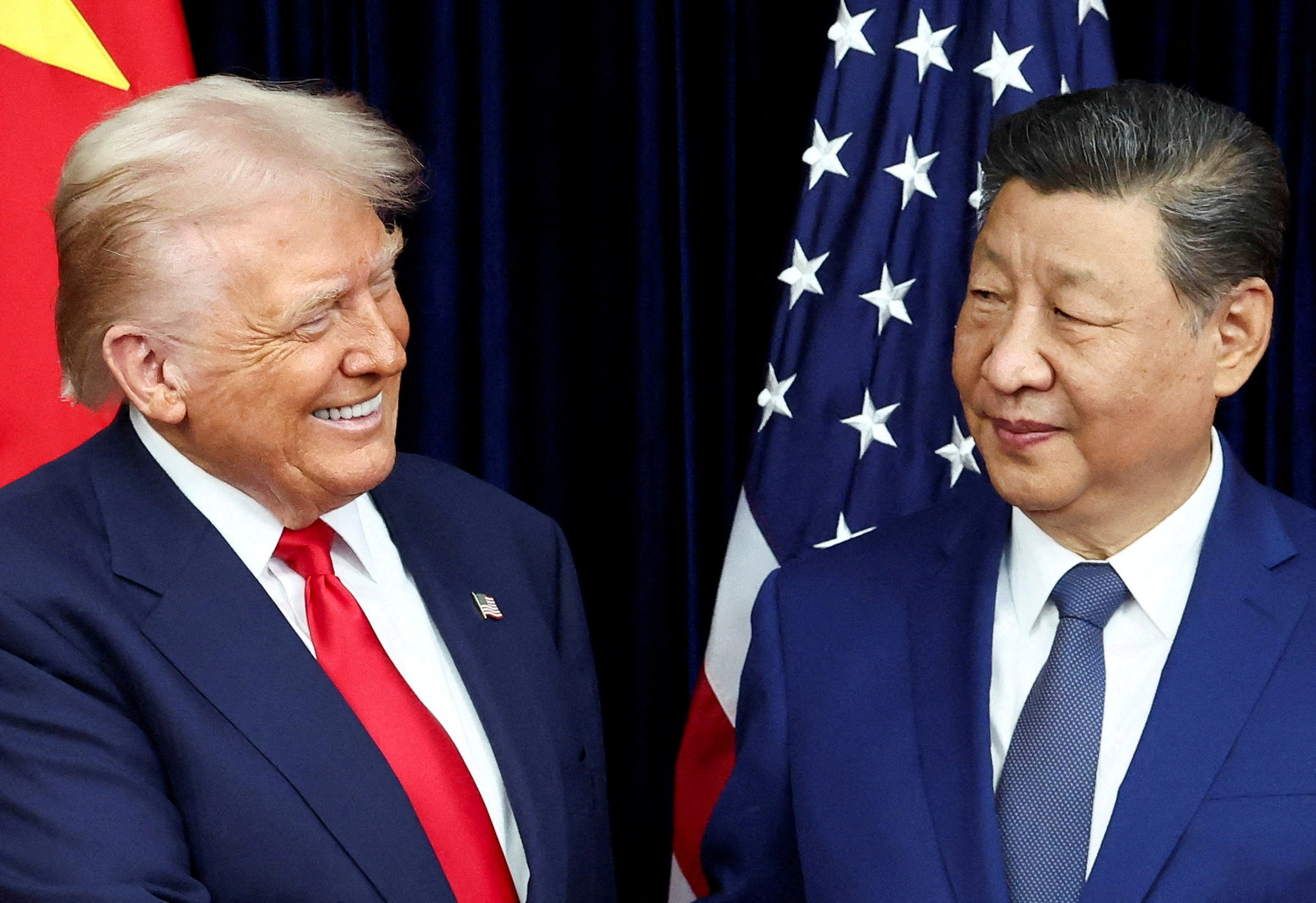
Trump defended possible Chinese-owned U.S. factories by comparing them with Japanese automakers’ American operations, saying the key condition was that the companies hire U.S. workers; he separately opposed vehicles built in Mexico and exported to the United States.
Five major automotive groups signed a letter on March 12 urging President Trump to block Chinese automakers from building factories in the United States. Yahoo Finance reports the coalition — including the Alliance for Automotive Innovation and the National Automobile Dealers Association — warned that allowing Chinese carmakers would give them "a foothold in the U.S. market at the expense of manufacturers operating here."
The push-back comes after Trump suggested he could support Chinese-owned U.S. factories if they hire American workers. The Forth reports the industry groups argue Chinese automakers benefit from state subsidies and currency manipulation, creating unfair advantages that must be addressed before any production here.
The Coalition Warns of Unfair Chinese Competition
Five industry groups signed the letter: the Alliance for Automotive Innovation, the National Automobile Dealers Association, Autos Drive America, the American Automotive Policy Council, and MEMA. Yahoo Finance reports they argued that localized Chinese production would not serve Trump's stated goals of boosting domestic manufacturing or national security.
American Automotive Policy Council President Matt Blunt said Chinese firms enjoy "non-market advantages" through state subsidies and currency manipulation. The groups believe these must be eliminated before Chinese companies can manufacture or sell vehicles in the U.S.
Trump's Openness to Chinese Factories Divides Industry
Trump compared Chinese-owned U.S. plants to Japanese automakers already operating here. He said the key requirement is hiring American workers — but he separately opposed vehicles built in Mexico and exported to the U.S., signaling a complex approach to foreign manufacturing.
United Auto Workers President Shawn Fain called the idea a "slap in the face to America." The Forth reports Fain contrasted Chinese labor practices with U.S. standards, saying "We shouldn't be doing business with countries that basically want slave labor," and framed Chinese vehicle production as a national-security issue.
Detroit Automakers Navigate Chinese Partnerships Abroad
The automakers' opposition is complicated by their existing ties to China. General Motors, Stellantis and Ford all run joint ventures with Chinese companies overseas — creating a tension between resisting Chinese competition at home while profiting from Chinese partnerships abroad.
The Detroit Three have largely responded through their shared lobbying group, which warned that Chinese manufacturers could damage American automakers, their employees and entire communities if allowed to establish U.S. operations.
Sentiment
Mostly NegativeNEGATIVENEUTRALPOSITIVE
Publishers
13
Articles
24
Reach
37
A
AnonymousAuthor


