Greenland Stocks Surge
Greenland Resource Stocks Surge Following Proposed U.S. Security Pact With Denmark
Anonymous
Key Points
1
Greenland Energy’s financial profile remains weak despite the rally: it reported $37.4 million in cash as of June 30, zero revenue and a quarterly loss of $4.9 million.
2
Greenland Energy’s proposed acquisition of 80 Mile uses a fixed exchange ratio of 0.01108 GLND shares per 80 Mile share, meaning the surge in GLND’s price directly increases the implied value of the offer; the company must make a firm offer or withdraw by October 6.
3
Greenland Energy’s GF Score was just 13 out of 100, although its Financial Strength rating was 10 out of 10; the company also reported $0.6 million in insider purchases over the prior 12 months and no insider selling.
4
Greenland Mines had already completed its $35 million acquisition of the Sarfartoq project and a 104.8-ton bulk-sampling program at Skaergaard, providing operational context beyond the market’s reaction to the proposed security pact.
5
The timing of the rally closely followed the political announcement: Reuters reported the impending pact at 5:19 p.m. EDT, after regular trading ended, and GLND rose from a $1.20 close to as high as $2.82 in after-hours trading before ending at $2.63.
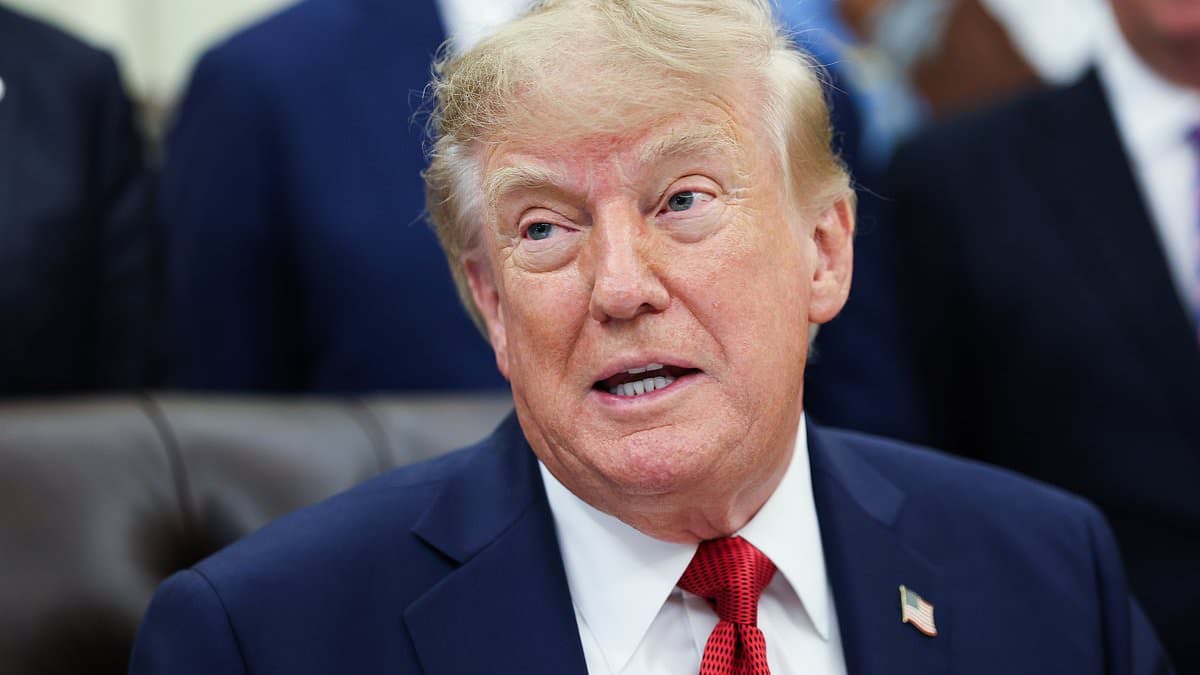
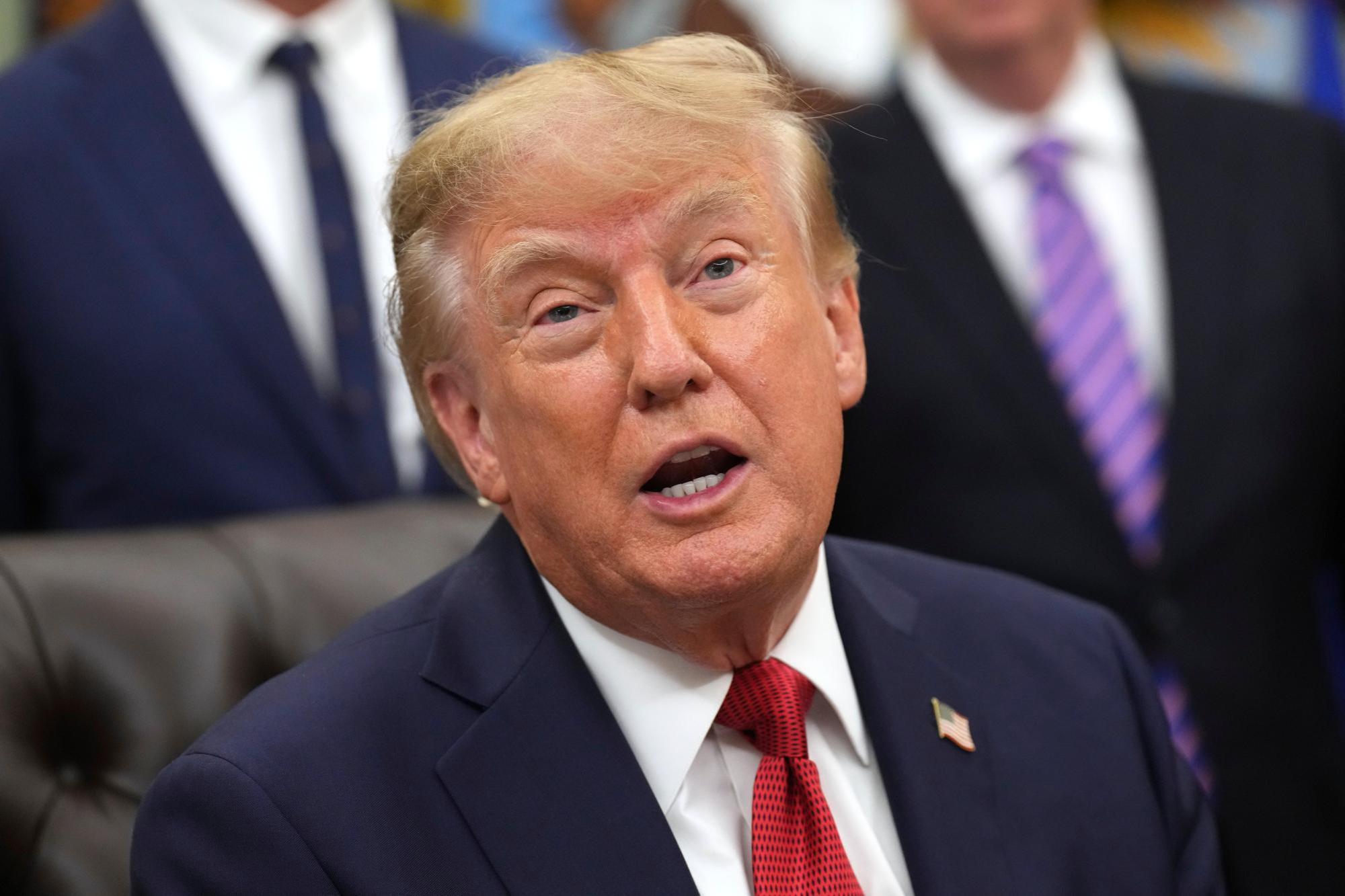
Shares of Greenland-focused companies surged after President Donald Trump announced a proposed security pact with Denmark and Greenland that would give the United States permanent access, basing rights and authority to block sensitive investments. Greenland Energy rocketed 119% in after-hours trading, while Greenland Mines and Critical Metals also climbed sharply as investors bet on increased U.S. infrastructure spending and resource deals Greeley Tribune.
The pact has not been signed and must pass parliament, but the market reaction was immediate and dramatic. Greenland Energy rose from a $1.20 close to $2.63 in after-hours trading. However, the companies remain highly speculative: Greenland Energy reported zero revenue, $37.4 million in cash and quarterly losses of $4.9 million.
Security Pact Terms and Danish Sovereignty
The agreement would give the United States permanent military access, basing rights and overflight authority over Greenland Greeley Tribune. It also allows the U.S. to block sensitive investments by non-NATO countries in the territory. Both Denmark and Greenland said the arrangement preserves Danish sovereignty, Greenland's territorial integrity and local interests, framing it as strategic partnership rather than territorial transfer.
Weak Financials Behind the Stock Surge
Greenland Energy's fundamentals tell a cautionary story. The company has zero revenue, $37.4 million in cash as of June 30 and lost $4.9 million last quarter. Its GF Score was just 13 out of 100, indicating weak financial health. The 119% rally reflects pure speculation about future U.S. deals, not current earnings or profits.
Greenland Mines has more tangible operations: it completed a $35 million acquisition of the Sarfartoq project and launched a 104.8-ton bulk-sampling program at Skaergaard Journal Advocate. This operational context provides real assets, unlike Greenland Energy's exploration-stage status.
How the Stock Surge Reshapes a Pending Acquisition
Greenland Energy is pursuing a fixed-ratio acquisition of 80 Mile using 0.01108 GLND shares per 80 Mile share. When GLND's stock price jumped, the implied value of the offer jumped too. The company must either make a firm offer or withdraw by October 6, so the timing matters enormously.
Insiders have noticed the opportunity: Greenland Energy reported $0.6 million in insider purchases over the prior 12 months and zero insider selling News Herald. This suggests confidence from those closest to the company, though it may also reflect awareness of deal value tied to the stock price.
Trump's Long History With Greenland Acquisition
Trump's interest in Greenland is not new. His focus on acquiring the semiautonomous Danish territory first became public in 2019 during his first term Orlando Sentinel. He repeatedly expressed interest in purchasing Greenland, though those efforts were dismissed at the time. The current security pact represents a different approach: strategic control without outright annexation.
Sentiment
Mostly PositiveNEGATIVENEUTRALPOSITIVE
Publishers
38
Articles
134
Reach
172
A
AnonymousAuthor