New Arctic Security Pact
United States, Denmark and Greenland Plan New Security Pact for Arctic Bases
Anonymous
Key Points
1
The proposed expansion would add to a much longer U.S. military legacy in Greenland: during the Cold War, Washington built Camp Century beneath the ice, where the secret Project Iceworm reportedly explored deploying nuclear missiles through an underground rail network.
2
The island also once hosted four Greenland sites belonging to the 5,800-kilometer Distant Early Warning radar line, built to detect potential Soviet nuclear strikes; those stations were abandoned in 1988 after becoming technologically obsolete.
3
It remains unclear whether the new agreement would amend the 1951 U.S.-Danish defense agreement, which has served as the legal basis for the American military presence in Greenland, or create a separate mechanism.
4
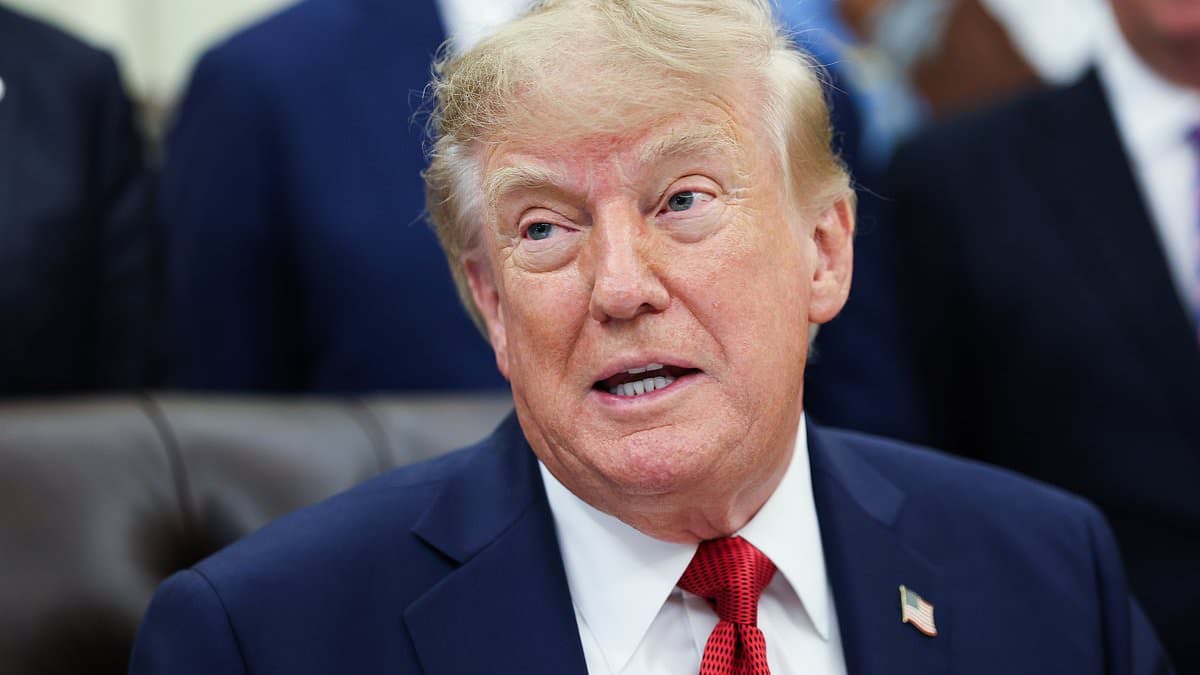
The agreement is expected to be signed by current President Donald Trump, Danish Prime Minister Mette Frederiksen and Greenlandic Prime Minister Jens-Frederik Nielsen, with the event scheduled for 10:30 a.m. Eastern Time, or 14:30 GMT.
5
Trump has previously declined on multiple occasions to rule out using military or economic force to gain control of Greenland, intensifying a diplomatic dispute over the territory’s future; polls cited in the reporting indicate that an overwhelming majority of Greenland residents oppose U.S. control.
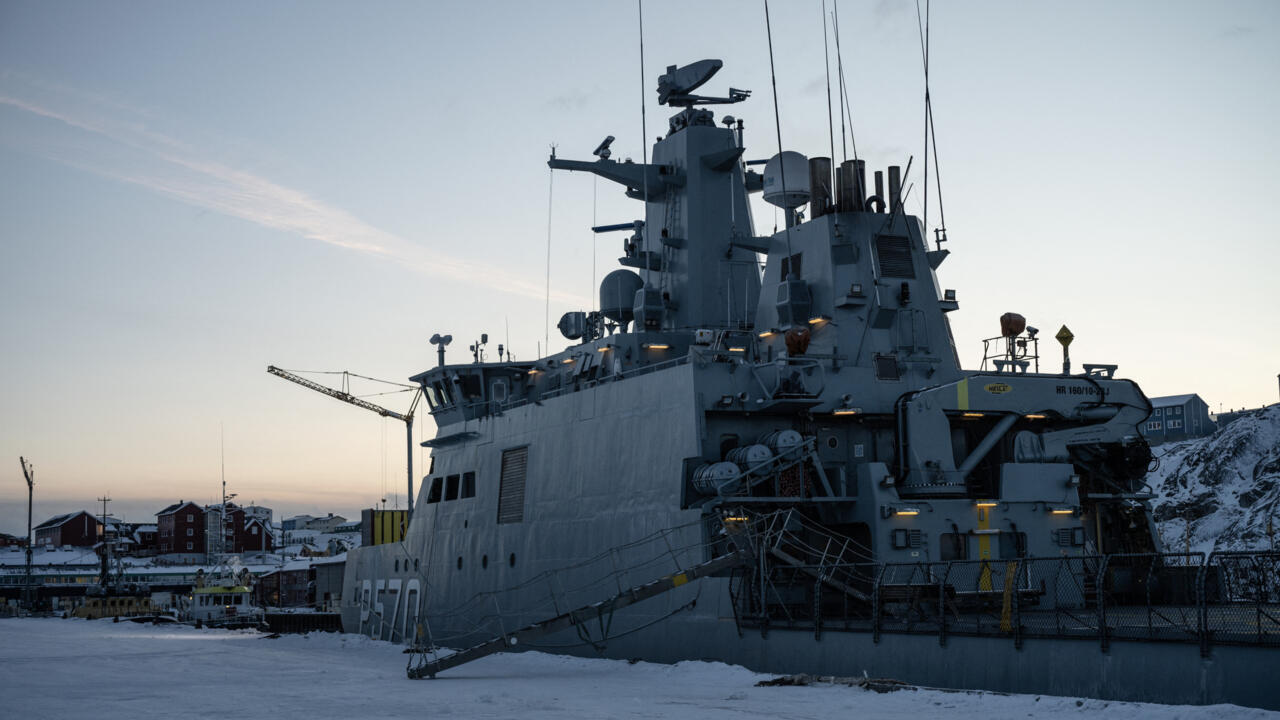
The United States, Denmark, and Greenland are expected to sign a major security agreement on September 22 during the U.N. General Assembly in New York. The deal would expand U.S. military presence across the Arctic island by reopening a Cold War-era base at Narsarsuaq in southern Greenland and establishing a new facility at Mestersvig in the east, according to Deccan Chronicle. The move marks a dramatic shift in Arctic defense strategy and follows President Donald Trump's repeated calls for greater American control over the strategic territory.
Danish officials say the agreement places Arctic security under NATO's collective oversight and respects Denmark's sovereignty and Greenland's right to self-determination, according to Voice of Emirates. However, the pact has sparked controversy: an overwhelming majority of Greenland residents oppose U.S. control, and the agreement's final terms remain unsettled with the full text not yet released.
Reopening a Forgotten Cold War Base
Bluie West One at Narsarsuaq operated as a major U.S. airbase from 1941 to 1958, deploying thousands of American troops during World War II and the Cold War. The base fell silent decades ago as Greenland's role in U.S. strategy shifted. Narsarsuaq's population has dwindled to just a few dozen residents since the 1950s closure, according to Newsy Today. Reactivating the site would breathe new military life into the remote southern settlement.
The eastern site at Mestersvig currently hosts Denmark's Sirius dog-sled patrol, a ceremonial military unit with deep Arctic roots. The agreement would establish a U.S. facility alongside this historic operation. Together, the two new bases would join Pituffik Space Base as key pillars of American Arctic defense, tripling the number of active U.S. installations on the island.
America's Secret Nuclear Dreams in the Arctic
During the Cold War, the U.S. maintained 17 military installations across Greenland with over 10,000 personnel stationed there. The most secretive was Camp Century, built 200 kilometers from the coast in 1959 and buried beneath the ice sheet. According to Newsy Today, the base served as the headquarters for Project Iceworm, a classified program that reportedly explored deploying nuclear missiles through an underground rail network beneath Greenland's frozen surface.
The U.S. also built a network of four radar stations as part of the 5,800-kilometer Distant Early Warning line, designed to detect Soviet nuclear strikes from across the Arctic. These stations were abandoned in 1988 after becoming technologically obsolete. The new agreement marks the first major U.S. military expansion in Greenland since the Cold War ended, reflecting renewed great-power competition in the Arctic.
Trump's Pressure Campaign Reshapes Arctic Diplomacy
President Trump has intensified calls for American control over Greenland since taking office in 2025, repeatedly declining to rule out military or economic force. His public statements alarmed both Denmark and NATO allies. On September 18, Trump posted on Truth Social that the deal grants the U.S. 'permanent control over security' and allows Washington to expand base numbers as needed, escalating the diplomatic tension over Greenland's future.
Danish Prime Minister Mette Frederiksen has pushed back firmly, emphasizing that the treaty 'preserves the Kingdom of Denmark's sovereignty and territorial integrity.' Foreign Minister Lars Løkke Rasmussen added that the deal places Arctic security under NATO's collective watch, not Washington's unilateral control. Greenlandic leaders negotiated to safeguard their right to self-determination while permitting enhanced NATO security infrastructure on the island.
Strategic Value and Local Resistance
The Arctic has become a flashpoint in U.S. competition with Russia and China. Reactivating Narsarsuaq and establishing a facility at Mestersvig provides strategic coverage over critical Arctic sea routes and prevents non-NATO states from building military infrastructure on the island. Military analysts note the bases strengthen NATO's northern flank and improve intelligence gathering across the region, according to The Australian.
Yet Greenland's residents remain wary. Polling shows an overwhelming majority oppose U.S. territorial acquisition or direct control. Local lawmakers insist that civilian infrastructure and self-determination must take precedence over military expansion. Infrastructure upgrades at both sites are expected to generate economic activity in sparsely populated regions, but skepticism about foreign military presence remains strong among Greenlanders.
Sentiment
Mostly NegativeNEGATIVENEUTRALPOSITIVE
Publishers
66
Articles
285
Reach
351
A
AnonymousAuthor