Global Trade Tariff Adjustments
US Replaces Bangladesh Tariffs Amid Forced-Labor Concerns, Allies Affirm Trade Continuity
Anonymous
Key Points
1
Bangladesh's commerce minister said the 10% US tariff is a replacement of an existing regime, with the older tariff set to expire in about 150 days due to legal requirements and the new tariff taking effect after midnight.
2
UK officials stressed there will be no negative change to tariff rates for British exporters as a result of the US move; the bilateral agreement remains in place and there are zero tariffs on whisky and medical technology.
3
The European Union welcomed the US tariffs as aligned with commitments under the EU-US Joint Statement; tariffs range 10% to 12.5%, with cork and diamonds exempted, and aircraft parts, medicines, and active ingredients already exempt; the move is framed as momentum to deepen cooperation on critical raw materials, AI, and digital issues.
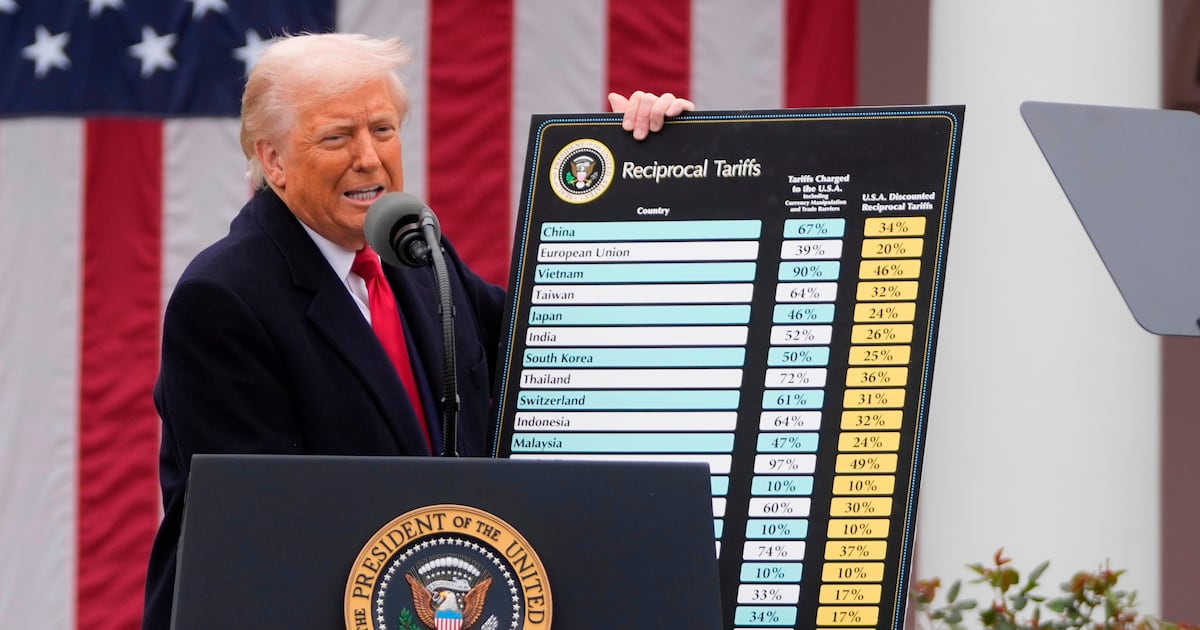
The United States has rolled out a new round of tariffs tied to forced-labor concerns, drawing sharp criticism from major trading partners including China and Japan. Fast Company reported that the new tariffs raise some rates to 12.5%, up from the 10% level set after last year's "Liberation Day" increases.
The move is reshaping trade relationships across three continents. Bangladesh, the UK, and the EU are each responding differently — but all are trying to reassure exporters that the damage will be limited.
Bangladesh Says Old Tariff Is Just Being Renamed
Bangladesh's Commerce Minister pushed back against alarm at home. He said the 10% US tariff is not a new burden — it is a replacement of the existing regime. The older tariff will expire in roughly 150 days due to legal requirements. The new tariff kicks in after midnight.
In plain terms, the minister argued the rate has not changed. Only the legal label has. He urged exporters not to panic. Bangladesh's garment industry, one of the world's largest, depends heavily on US market access and is watching the situation closely.
UK Promises British Exporters Will Pay No More
UK officials moved quickly to calm concerns. They stressed that no British exporter will face higher tariff rates as a result of the US move. The bilateral trade agreement between the US and UK remains in place. Officials pointed to zero tariffs on two key sectors: whisky and medical technology.
The UK framed the situation as a stabilization, not a disruption. By highlighting sectors with no tariffs at all, officials tried to show that the trade relationship is holding firm. The message was clear — British exporters should carry on as normal.
EU Welcomes Tariffs as a Sign of Shared Direction
The European Union took the most positive tone of any major partner. EU officials said the US tariffs align with commitments made under the EU-US Joint Statement. The tariffs on EU goods range from 10% to 12.5%. Cork and diamonds are fully exempted. Aircraft parts, medicines, and active pharmaceutical ingredients were already exempt before this round.
EU officials called the move a sign of momentum. They said it creates a chance to deepen cooperation on critical raw materials, artificial intelligence, and digital trade issues. Rather than seeing the tariffs as a punishment, Brussels is treating them as a platform for broader talks.
Forced-Labor Claims Drive New Wave of US Trade Pressure
The thread running through all of these tariffs is forced labor. The Trump administration has linked the new duties to claims that foreign producers use forced labor in their supply chains. AJC and Post Register both reported that China and Japan have objected loudly to the framing.
Australia's Trade Minister also voiced concern, according to Post Register. The forced-labor justification gives the US broad legal cover to raise tariffs without going through traditional trade dispute channels. Critics say it is being used selectively. Supporters say it is long overdue enforcement of basic labor standards.
Sentiment
Mostly NegativeNEGATIVENEUTRALPOSITIVE
Publishers
21
Articles
189
Reach
210
A
AnonymousAuthor


