Forced Labor Tariff Scrutiny
Trump Administration Imposes Tariffs on 60 Countries Citing Disputed Forced Labor Violations
Anonymous
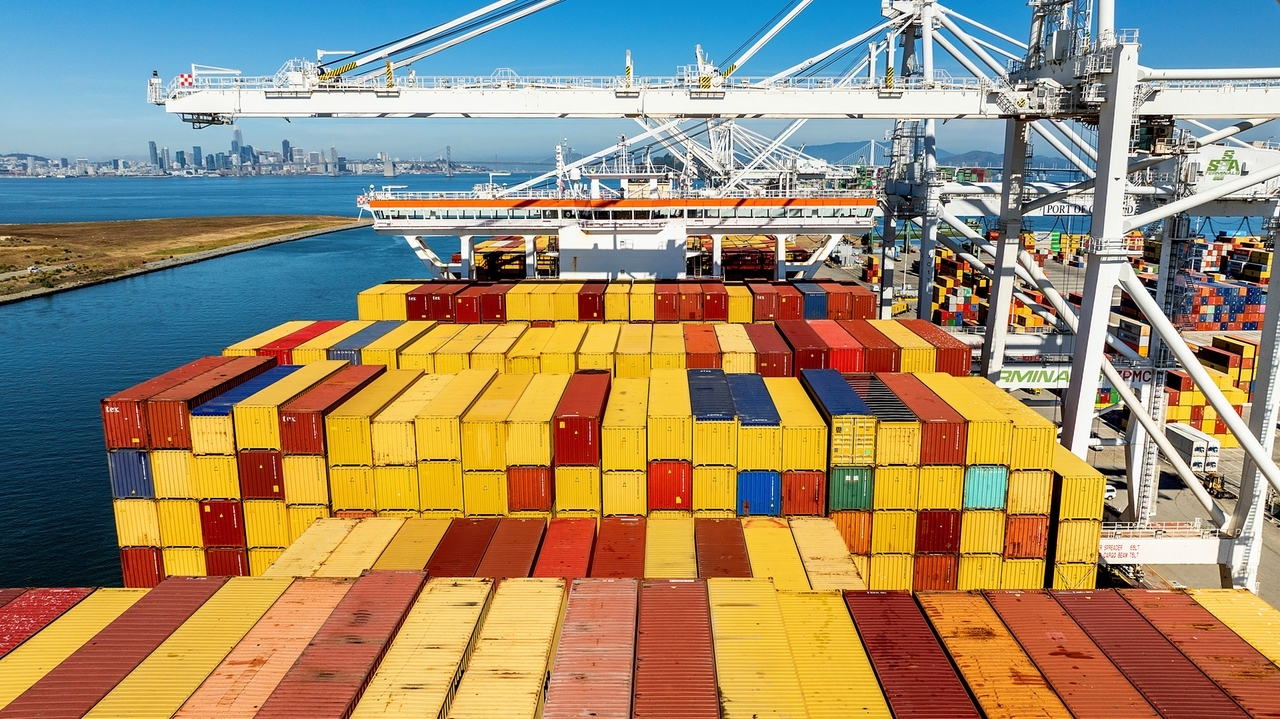
The Trump administration has hit more than 60 countries with double-digit tariffs, citing a rarely used trade law that lets the president punish nations for "unjustifiable" or "discriminatory" trade practices, according to WRAL News. The legal hook: those countries allegedly fail to ban or enforce bans on goods made with forced labor.
But critics say the forced-labor rationale is a pretext — a way to impose sweeping import taxes without needing approval from Congress. The affected countries, which together account for 99% of U.S. imports, have called the claims unfounded and arbitrary, according to Newsday.
The Legal Mechanism Behind the Tariffs
The administration leaned on Section 301 of the Trade Act of 1974. That law gives the president broad power to act against countries that hurt U.S. trade interests. It does not require a congressional vote. The White House used it to justify tariffs on nations it says lack strong forced-labor import bans, according to The Independent.
The U.S. Trade Representative (USTR) said it did its homework. It consulted all 60 economies, held two rounds of public hearings, collected more than 2,100 public comments, and engaged with trading partners about their labor enforcement records, according to Daily Gazette.
Little Evidence Countries Actually Broke Forced-Labor Rules
Despite the sweeping action, analysts and affected governments say the evidence is thin. Many of the targeted countries already have laws on the books that ban goods made with forced labor. There is little documented proof that those laws are being ignored or defied, according to Yahoo News.
That gap between the stated reason and the actual record is fueling suspicion. Trade lawyers note that Section 301 gives the president wide discretion — but critics argue this case stretches that discretion far beyond what the law intended, according to Lufkin Daily News.
Targeted Countries Push Back Hard
Governments across Asia, Europe, and Latin America rejected the forced-labor accusations. The affected nations cover 99% of all U.S. imports — a staggering share that critics say proves this is really a broad trade war, not a targeted labor rights crackdown, according to KTAR News.
Countries called the tariffs arbitrary and said the process lacked transparency. Several signaled they would challenge the measures through the World Trade Organization or pursue retaliatory steps of their own, according to Click Orlando.
Is This a Trade Policy Shift or a Power Grab?
The core debate is about who controls U.S. trade policy. The Constitution gives Congress the power to set tariffs. But over decades, Congress has handed much of that power to the president through laws like Section 301. This case tests just how far that delegation goes, according to Click On Detroit.
Legal experts say courts could weigh in. If challengers argue the forced-labor justification is a sham, judges may scrutinize whether the White House followed the law's intent. The outcome could reshape how future presidents use trade powers, according to Local 10.
Sentiment
NeutralNEGATIVENEUTRALPOSITIVE
Publishers
11
Articles
11
Reach
11
Topics
A
AnonymousAuthor


