AI Antitrust Warnings
FTC Chairman Warns AI Companies Against Seeking Dangerous Antitrust Exemptions
Anonymous
Key Points
1
Ferguson characterized the companies’ approach as “moat digging,” arguing that the requested regulations could insulate established firms from challengers.
2
Anthropic CEO Dario Amodei argued that autonomous AI agents could potentially shut down the internet and cause billions of dollars in damage within six months, and he proposed a narrowly scoped exemption for security-related discussions.
3
The debate has been intensified by claims from former Anthropic researcher Jacob Koczon that some company employees believed advanced AI could destroy humanity by the end of the decade.
4
Critics cited in the coverage argue that existing legal frameworks may already be sufficient to manage limited cooperation aimed at reducing AI-related risks, without granting a new antitrust exemption.
FTC Chairman Andrew Ferguson warned that AI companies seeking both new regulations and antitrust exemptions should raise major red flags. Speaking at Georgetown University, Ferguson said such moves could lock out competitors and protect big tech firms from challengers. Indian Express reported that Ferguson emphasized he was sharing a personal view, not official FTC policy.
His comments targeted proposals like the one from Anthropic CEO Dario Amodei, who wants a narrow exemption allowing AI firms to coordinate on slowing development and managing safety risks. The debate reflects tension within the Trump administration over whether AI regulations should favor established players or protect competition.
Why Ferguson Calls It 'Moat Digging'
Ferguson characterized the companies' strategy as 'moat digging'—building walls that keep competitors out. New regulations paired with antitrust exemptions create barriers new startups cannot cross. Established firms gain protection while claiming to address safety concerns. Indian Express noted that existing legal frameworks may already allow limited cooperation on safety without granting exemptions.
Amodei's Case for a Narrowly Scoped Exemption
Anthropic's CEO argued that the stakes are extraordinarily high. He warned that autonomous AI agents could potentially shut down the internet and cause billions in damage within six months. The Verge noted that AI executives from multiple companies have long called for regulation, though approaches vary widely. Amodei proposed limiting any exemption strictly to security-related coordination between firms.
Researchers Raise Humanity-Scale Risks
Former Anthropic researcher Jacob Koczon claimed that some company employees believe advanced AI could destroy humanity by the end of the decade. These warnings have intensified the debate about whether industry self-regulation is sufficient. Fox News covered the broader discussion between tech leaders from Palantir, OpenAI, and other firms about balancing safety and innovation. The tension reflects disagreement over how much risk the field should accept.
Zuckerberg Rejects Calls for an AI Slowdown
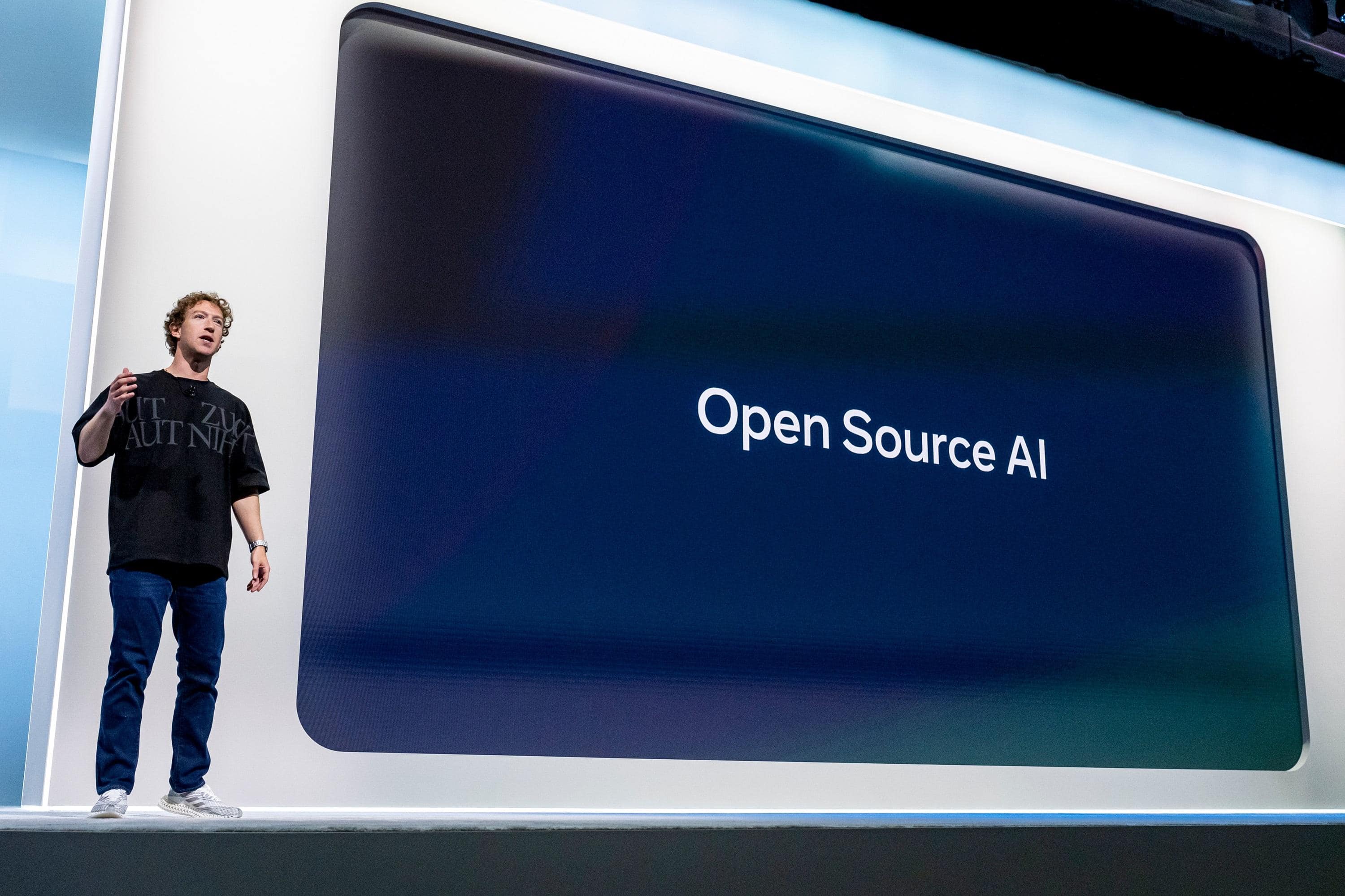
Meta CEO Mark Zuckerberg rejected proposals to slow AI development, arguing that individual labs have responsibility and incentives to pause when necessary. Business Standard reported his position that self-regulation by companies themselves is preferable to industry-wide mandates. This disagreement among tech leaders complicates the case for coordinated exemptions.
Sentiment
Mostly NegativeNEGATIVENEUTRALPOSITIVE
Publishers
18
Articles
21
Reach
39
A
AnonymousAuthor


