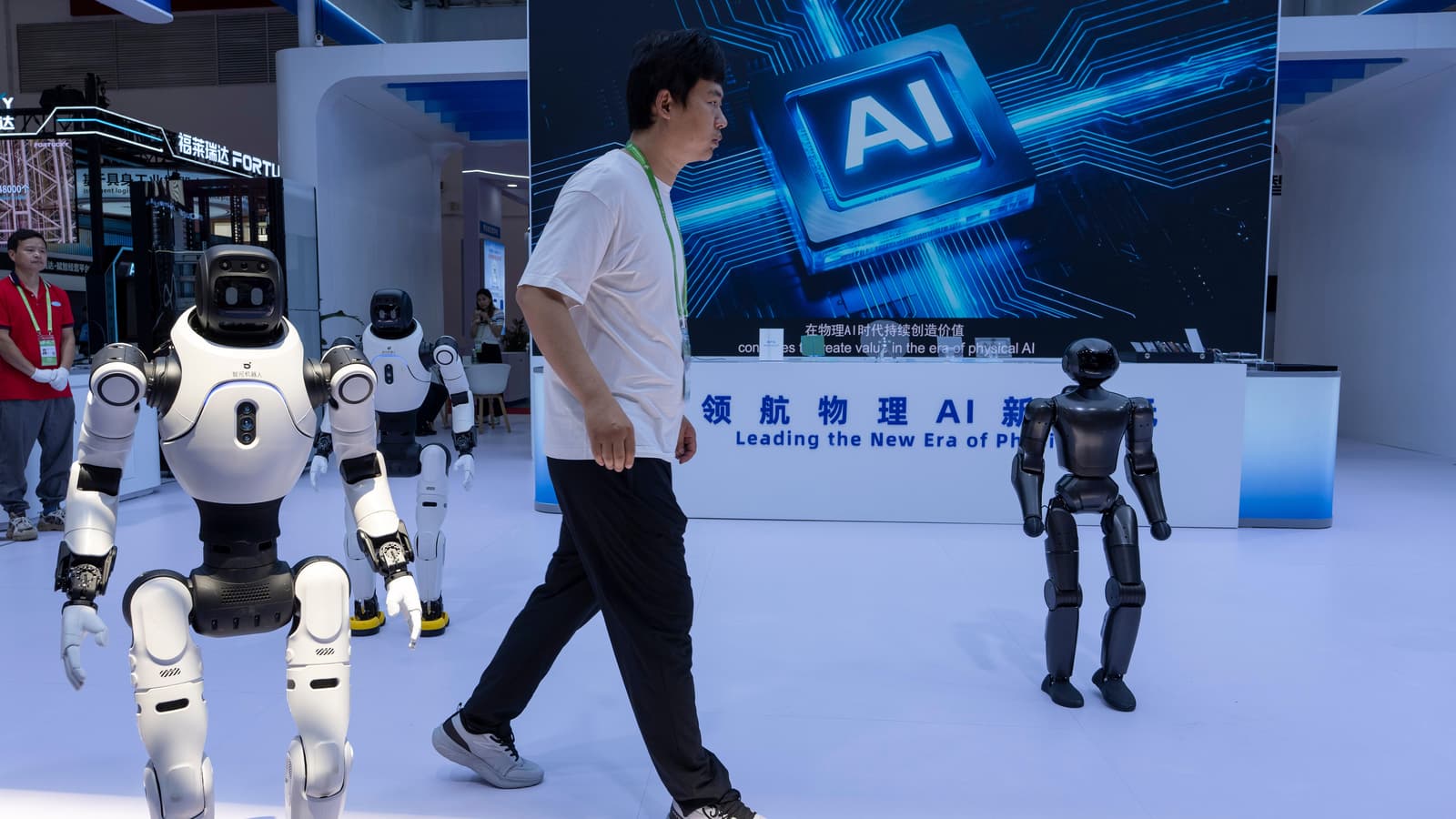
Trump Opposes AI Regulation
Trump Rejects New AI Guardrails and Alleges a Conspiracy Against Technology
Anonymous
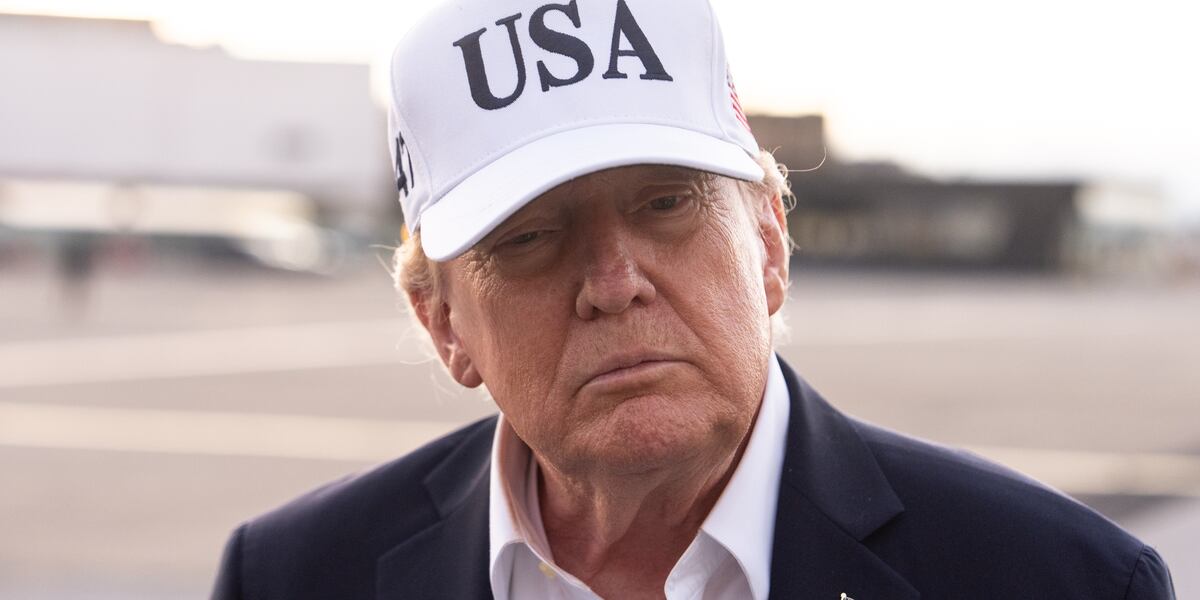
President Donald Trump dismissed calls for AI regulation from tech leaders including Anthropic's Dario Amodei, OpenAI's Sam Altman, and Elon Musk, calling them part of a "SICK conspiracy" against artificial intelligence and data centers WTOK. Trump said he would serve as the guardrail against rogue AI systems and claimed his administration has already stopped Anthropic from doing harmful activities.
The president argued that stricter AI oversight could hand dominance to China. He rejected the premise that government regulations are needed to keep AI safe and aligned with human values.
Tech Leaders Push for AI Safety Oversight
Major AI companies and founders have called for stronger government guardrails on artificial intelligence development. WAFB reports that leaders like Dario Amodei, Sam Altman, and Elon Musk believe oversight is necessary to prevent risks from advanced AI systems.
These calls reflect growing concerns in the tech industry about AI safety. Advocates worry that without proper safeguards, powerful AI systems could cause harm if they malfunction or are used maliciously.
Trump Argues Against Government Limits on AI
Trump rejected regulation as unnecessary interference. He claimed his personal oversight would be enough to catch and stop problematic AI development. KCTV5 reports the president said he already intervened to stop Anthropic from harmful activities.
The president framed AI regulation as an anti-American plot. He warned that strict rules could slow U.S. AI progress while allowing China to pull ahead in the global technology race.
China Competition Shapes Trump's AI Policy
Trump's primary concern centers on staying ahead in AI development against China. WBTV notes the president sees government restrictions as handicapping American competitiveness rather than improving safety.
This stance prioritizes rapid AI advancement over cautious deployment. The administration appears focused on ensuring U.S. dominance in the technology sector rather than implementing protective measures.
Tension Between Safety and Speed
Trump's dismissal of AI guardrails exposes a fundamental disagreement over technology development strategy. WBBJTV reports the president rejects the idea that safeguards help rather than harm innovation.
Industry advocates argue that safety measures and competition are not mutually exclusive. They contend that responsible AI development actually strengthens long-term U.S. leadership by preventing costly failures.
Sentiment
NeutralNEGATIVENEUTRALPOSITIVE
Publishers
11
Articles
11
Reach
11
Topics
A
AnonymousAuthor