Luxury DBX GT Unveiled
Aston Martin Unveils Comfort-Focused DBX GT SUV to Rival the Bentley Bentayga
Anonymous
Key Points
1
The DBX GT’s 4.0-litre V8 produces 900Nm and uses turbocharger technology from Aston Martin’s Valhalla supercar; its stated top speed is 193mph.
2
Aston Martin says acoustic glass and extra sound-deadening improve the cabin’s Articulation Index—a measure of how easily occupants can converse—by 13%.
3
The GT’s driver’s seat involves four and a half hours of work and 691 metres of thread, alongside details such as anodised-metal rotary dials and deep-pile floor mats.
4
Aston Martin positions the GT against the Bentley Bentayga, while the sportier DBX S is intended to compete with the Lamborghini Urus and Ferrari Purosangue.
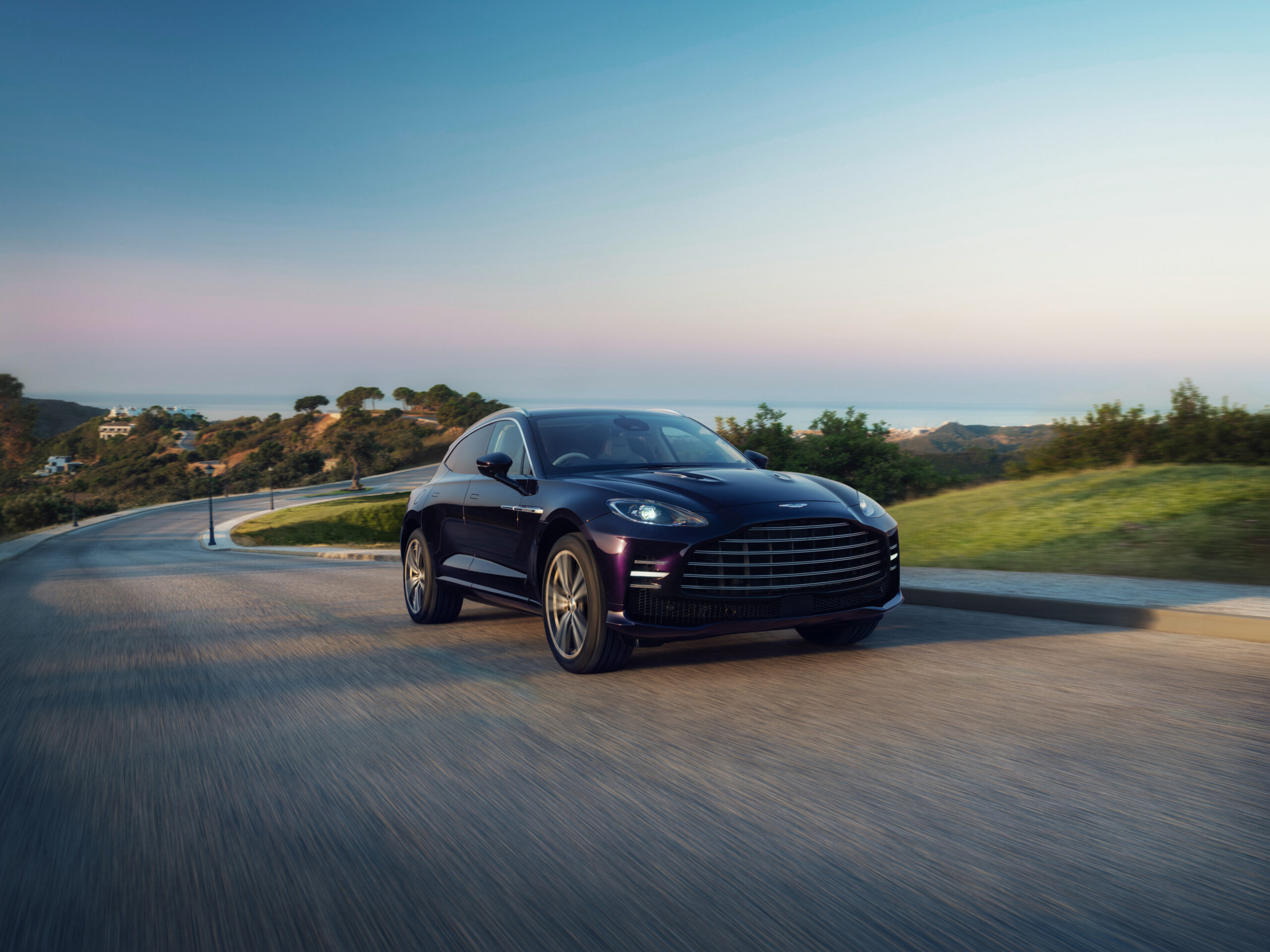
Aston Martin has unveiled the DBX GT, a comfort-focused variant of its performance SUV that retains the same 717-hp V8 engine while trading aggression for refinement. The new model sits alongside the sportier DBX S and features revised suspension, extra sound insulation, and redesigned luxury seating to improve long-distance comfort. Autocar reports deliveries begin in late 2026, with an estimated starting price around £207,000, as Aston Martin seeks to revive sales after DBX deliveries fell to just 1,717 units in 2025.
The GT maintains the S's 4.0-litre twin-turbo V8 and 900Nm of torque while using turbocharger technology borrowed from Aston Martin's Valhalla supercar. According to Motor1, acoustic laminated glass and extra body deadening improve cabin acoustics by 13%, letting occupants converse more easily. The vehicle can still reach 193 mph and accelerate from 0–62 mph in 3.3 seconds.
Luxury Reimagined: GT's Comfort-First Design
The DBX GT abandons the aggressive styling of the DBX S in favor of understated elegance. Wallpaper noted the unveiling took place at Q London, Aston Martin's new flagship showroom on Berkeley Square in Mayfair, signaling the brand's focus on refined, bespoke luxury. The GT features cleaner exterior lines, bespoke wheels, anodized-metal rotary dials, and deep-pile floor mats throughout the cabin.
Each driver's seat requires 4.5 hours of labor and 691 meters of thread to hand-craft, according to Car and Driver. The redesigned rear layout uses sculpted outboard seats with memory foam cushioning. Acoustic glass, upgraded cabin materials, and all-season tires (versus the S's performance rubber) combine to deliver what Autocar describes as "quiet luxury" over track capability.
Performance Without Compromise: Same V8, Different Purpose
The DBX GT's 4.0-litre twin-turbo V8 produces identical power to the DBX S: 717 hp and 900Nm of torque. CompleteCar reported that engineers recalibrated the active air suspension and retuned the 9-speed automatic transmission to prioritize smooth, seamless shifting over aggressive response. The suspension tuning, combined with revised dampers, absorbs road imperfections while maintaining the vehicle's 193-mph top speed.
Road and Track describes the GT as a "stealth super SUV"—quiet on the surface but hiding the same fire-breathing powertrain as its sportier sibling. Zero to 62 mph takes 3.3 seconds, and 420mm front carbon-ceramic brakes with 390mm rear units provide stopping power. The difference lies not in performance but in how that performance is delivered: smoothly and refinedly rather than with visceral aggression.
Aston Martin's Two-Tier DBX Strategy Targets Rival Segments
Aston Martin now positions the DBX across two distinct luxury SUV markets. Autocar reports the GT competes directly with the Bentley Bentayga, appealing to buyers who want understated elegance and daily usability. The sportier DBX S, meanwhile, targets the Lamborghini Urus and Ferrari Purosangue—buyers seeking aggressive performance wrapped in exotic badges.
The split strategy addresses a critical sales problem: DBX deliveries fell to 1,717 units in 2025, suggesting a single high-performance model was too narrow for the market. AutoNext notes that CEO Adrian Hallmark signaled this pivot toward "quiet luxury and elegance" variants last June. By offering both comfort and speed, Aston Martin hopes to capture a broader swath of luxury buyers starting when deliveries begin in Q4 2026.
Sentiment
Mostly PositiveNEGATIVENEUTRALPOSITIVE
Publishers
35
Articles
22
Reach
57
A
AnonymousAuthor


