Bentley's Electric Debut
Bentley reveals the Torcal, an 876-horsepower electric SUV marking its luxury EV debut.
Anonymous
Key Points
1
The Torcal’s name refers to El Torcal de Antequera, a rock formation in Spain, and is pronounced “tohr-KAHL.”
2
The standard Torcal produces 810 horsepower, while the sportier S version delivers the headline 876 hp and 996 lb-ft of torque, giving buyers two distinct performance configurations.
3
Bentley says the interior includes the world’s first 100% Merino-wool automotive fabric and an Ombré Walnut veneer made from as many as 1,000 wafer-thin layers of sustainable wood off-cuts.
4
The Torcal’s cabin deliberately omits a passenger display; instead, Bentley uses a curved central touchscreen alongside machined physical controls to emphasize ergonomics and tactile interaction.
5
CEO Frank-Steffen Walliser said customer and media previews produced feedback that was “surprising” in how positive it was, signaling Bentley’s confidence despite the model’s delayed launch.
Bentley has unveiled the Torcal, its first fully electric vehicle and a new flagship for the 107-year-old British luxury brand Autocar. The dual-motor fastback SUV produces up to 876 horsepower and 996 lb-ft of torque, sprints from 0 to 60 mph in 2.8 seconds, and delivers as much as 375 miles of range on a single charge Motoring Research. The launch marks a major shift for Bentley, though sales won't begin until 2027 or 2028 as the company navigates weaker luxury-EV demand.
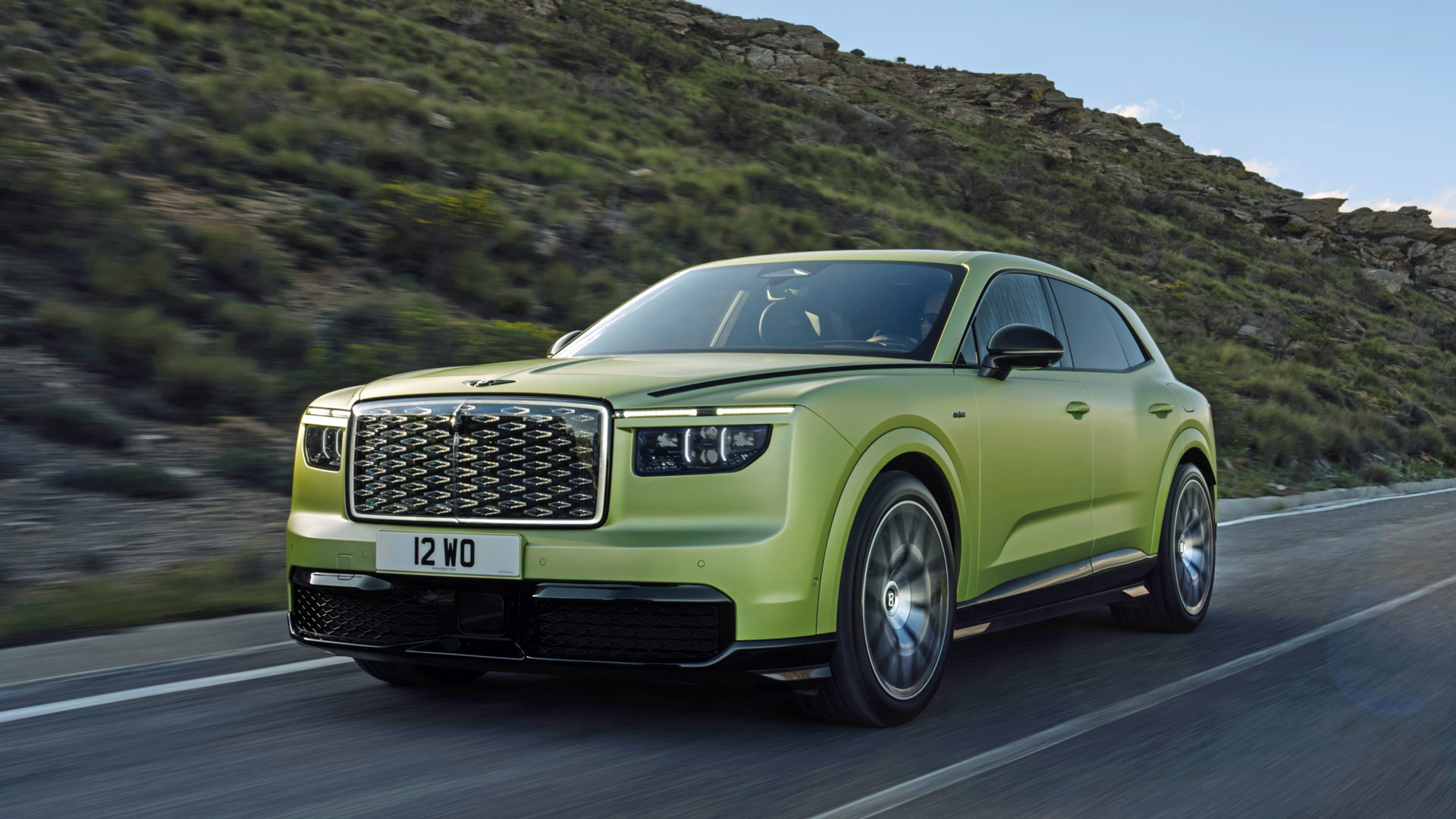
The Torcal's design breaks from traditional Bentley styling with a low roofline, muscular proportions, and an illuminated diamond-pattern grille PistonHeads. Inside, the cabin blends handcrafted materials—including the world's first 100% Merino-wool automotive fabric—with modern touchscreens and machined controls. Bentley has also extended its full-electrification target from 2030 to 2035, reflecting the slower-than-expected shift to electric luxury cars Country Life.
Two Power Levels for Different Drivers
Bentley offers customers two performance tiers in the Torcal. The base model produces 810 horsepower, while the sportier S version delivers the headline 876 hp and generates 996 lb-ft of torque Autocar. Both versions draw power from a 113-kWh battery with 800-volt charging, allowing rapid refueling on long journeys. The S variant's extra 66 horsepower reflects Bentley's strategy to give buyers a choice between everyday refinement and track-ready excitement.
Interior Craftsmanship Pushes Luxury EV Standards
The Torcal's cabin deliberately omits a passenger dashboard display, instead using a curved central touchscreen paired with machined physical controls Motoring Research. Bentley says this design choice emphasizes ergonomics and tactile interaction over digital clutter. The Ombré Walnut veneer is made from as many as 1,000 wafer-thin layers of sustainable wood off-cuts, while Merino wool upholstery replaces traditional leather in key areas.
The brand plans to add handcrafted engine sounds inspired by its historic V8 engines, a nod to Bentley's motorsports heritage Autocar. Every interior element—from seat stitching to ambient lighting—reflects months of development aimed at making the Torcal feel genuinely hand-built, not mass-produced.
Pricing and Delayed Launch Reflect Market Headwinds
The Torcal's entry price in the UK is £173,300, though U.S. pricing has not been finalized and could start below $230,000 Autocar. Bentley originally planned a 2026 launch but has since pushed deliveries to 2027 or 2028 as luxury-EV demand softened globally. CEO Frank-Steffen Walliser noted that customer and media previews produced feedback that was "surprising" in how positive it was, signaling confidence despite the delay Motoring Research.
The Torcal becomes Bentley's fourth distinct model line and represents the brand's most aggressive push into electric powertrains PistonHeads. The delayed launch gives Bentley time to refine production and assess demand from customers facing rising electricity costs and charging-infrastructure gaps in key markets.
Name and Design Draw From Spanish Landscapes and Bentley History
The Torcal's name refers to El Torcal de Antequera, a dramatic rock formation in Spain, and is pronounced "tohr-KAHL" Autocar. The design draws inspiration from the EXP 15 concept and historic Bentley models, blending retro cues—a revised winged emblem and split lighting—with modern proportions. The low roofline and fastback shape evoke a grand tourer rather than a traditional SUV, positioning the Torcal as a vehicle that "rides like a limo and corners like a coupe" Autoexpress.
Sentiment
Mostly PositiveNEGATIVENEUTRALPOSITIVE
Publishers
17
Articles
15
Reach
32
A
AnonymousAuthor


