Donate Excess Bags
Experts recommend donating excess reusable shopping bags to local food banks and organizations.
Anonymous
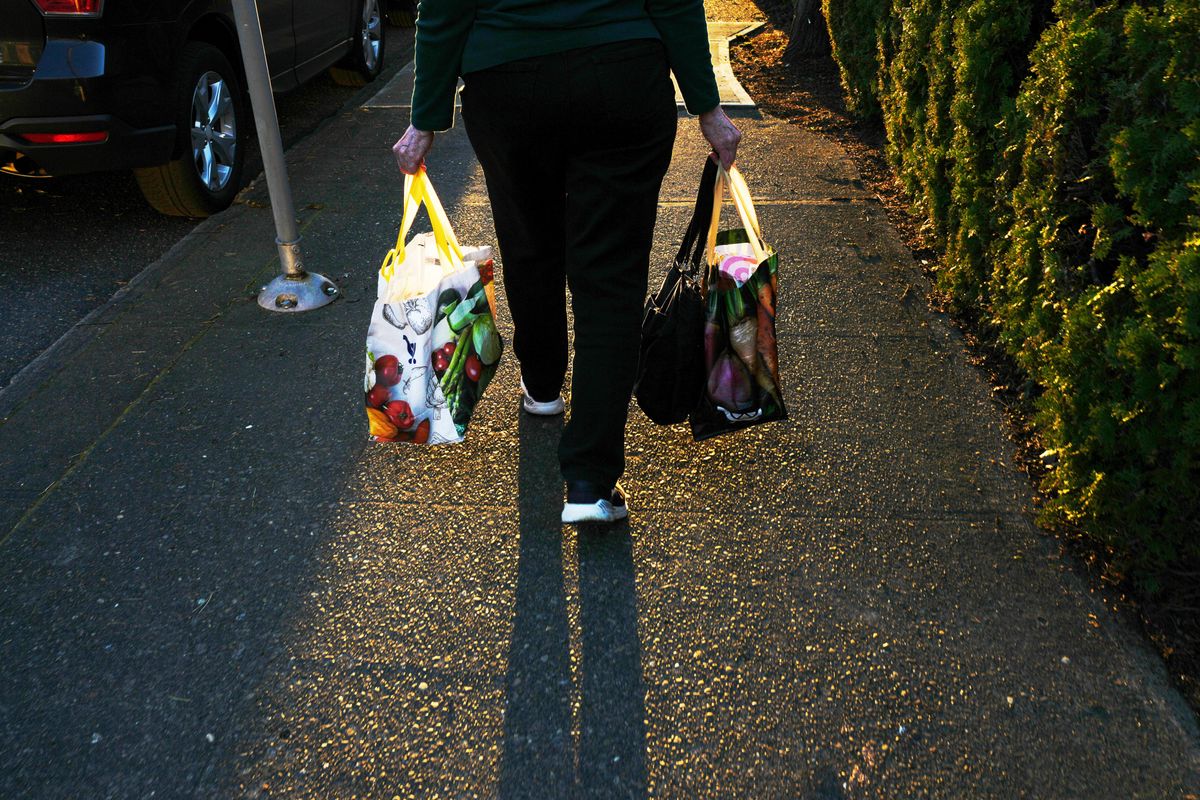
Reusable shopping bags can quickly accumulate in homes through giveaways and grocery purchases, creating clutter despite their environmental benefits over single-use plastic bags. Experts recommend keeping only a practical number of durable bags, using them regularly, and donating the extras to food banks, thrift stores or other community organizations. Because producing reusable bags also consumes resources, their environmental advantage depends on repeated use rather than endless accumulation.
Key Points
1
Single-use plastic grocery bags can become “urban tumbleweeds” or break down into harmful microplastics, a problem that has prompted bans in 12 U.S. states as well as bag taxes and other local initiatives.
2
Environmental economist Kimberly Oremus has used her reusable bags for up to a decade, illustrating how a small number of durable bags can remain useful for many years.
3
Professional home organizer Britnee Tanner said reusable bags often end up “buried under the kitchen sink or stuffed in a corner of the pantry,” and described them as “sneaky” because people may acquire bags they do not remember purchasing.
Sentiment
Mostly NegativeNEGATIVENEUTRALPOSITIVE
Publishers
7
Articles
100
Reach
107
Topics
A
AnonymousAuthor