Packaging's Evolving Regulations
Extended Producer Responsibility Legislation Expands Across US, Shifting Packaging Waste Costs to Producers
Anonymous
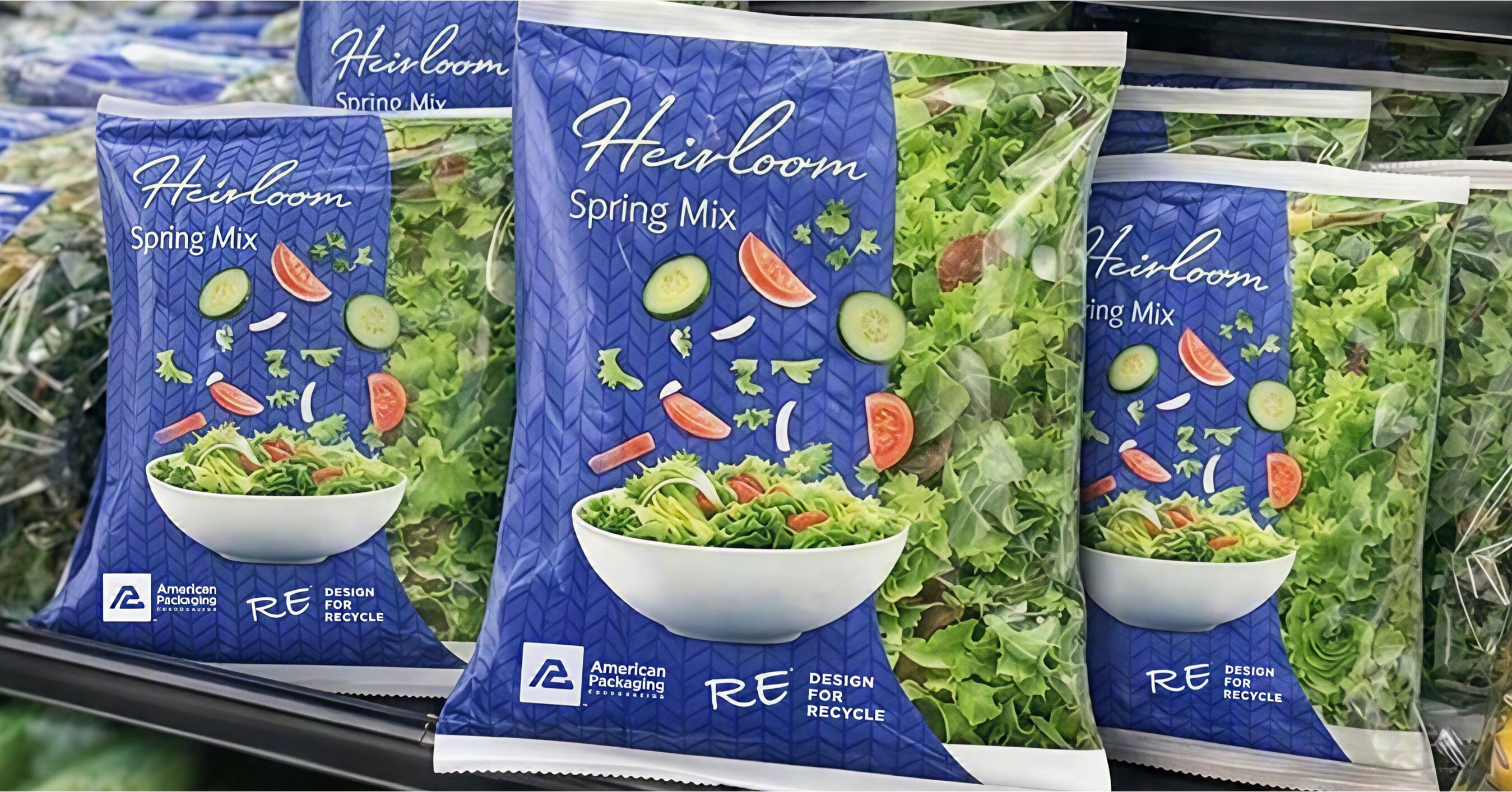
Packaging decisions in the United States are changing fast. American Packaging Corporation (APC) is sounding the alarm: Extended Producer Responsibility — known as EPR — is reshaping how companies choose, design, and pay for their packaging, according to Yahoo Finance.
EPR laws shift the cost of managing packaging waste away from local governments and taxpayers. Instead, the companies that make packaged goods must pay into statewide recycling programs. As more states pass similar laws, businesses that ignore EPR risk higher fees and falling behind on compliance, UK Yahoo Finance reported.
What EPR Laws Actually Require From Companies
Under EPR, producers join a Producer Responsibility Organization, or PRO. The PRO collects fees from member companies and uses that money to fund recycling systems statewide. The more packaging a company puts into the market, the more it pays, according to Yahoo Finance Canada.
The fee structure is not flat. Many EPR programs charge higher fees for packaging that is hard to recycle. Companies that use recyclable materials pay less. This creates a direct financial reason to rethink packaging choices — not just for environmental reasons, but to cut costs, ADVFN reported.
How Fee Structures Push Brands Toward Better Design
EPR programs tie producer fees directly to packaging characteristics. A plastic pouch that cannot be recycled at curbside will cost more under most EPR fee models than a paper-based or mono-material alternative. This pricing pressure is already pushing brands to redesign packaging before laws fully take effect, according to Yahoo Finance.
APC notes that the most effective packaging strategies balance three things: regulatory compliance, sustainability goals, and product performance. No single material wins every time. The right choice depends on what the product needs and what the EPR rules require in each state, UK Yahoo Finance reported.
A Patchwork of State Laws Complicates Planning
EPR packaging laws are not national. They are state-by-state. Oregon, Colorado, California, and Maine have already passed EPR packaging legislation. More states are working on similar bills. Each program has its own rules, timelines, and fee structures, according to Yahoo Finance Canada.
This patchwork creates a real challenge for manufacturers who sell products across the country. A package that meets Oregon's rules may not satisfy California's requirements. APC urges companies to monitor each state's program closely and build flexibility into their packaging strategies now, ADVFN reported.
Why Packaging Strategy Must Change Before Laws Force It
APC's message is clear: waiting is costly. Companies that start aligning their packaging with EPR goals now will pay lower fees and face fewer disruptions later. Early movers also gain time to test new materials without the pressure of a compliance deadline, according to Yahoo Finance.
The company stresses that EPR is not just a compliance checkbox. It is a long-term shift in how packaging is valued. Recyclability, material choice, and design simplicity are now business variables with direct cost consequences. APC calls for packaging decisions tailored to each product's needs while supporting EPR objectives over time, UK Yahoo Finance reported.
Sentiment
NeutralNEGATIVENEUTRALPOSITIVE
Publishers
5
Articles
5
Reach
5
Topics
A
AnonymousAuthor


