Deadly Cross-Border Airstrikes
UN Reports Ten Civilian Deaths Following Pakistani Airstrikes Inside Afghanistan
Anonymous
Key Points
1
Pakistan said the strikes were part of Operation Ghazab lil Haq, based on what it called credible intelligence, and that weapons and ammunition at the targeted sites were destroyed.
2
The strikes were reported as the third time in two weeks that Pakistan had attacked targets in Afghanistan; the Taliban government said a strike the previous week in Kandahar and other provinces killed four civilians.
3
A resident of Garmsir told the BBC that bombardment began around 3:30 a.m. and lasted about half an hour; another account from Kunar said all six members of a recently relocated family, including children, were killed.
4
A U.N. Security Council-mandated monitoring report described continued support for the TTP as contributing to more frequent and severe attacks in Pakistan, and noted operational links between the TTP, al-Qaeda, Islamic State-Khorasan and the Balochistan Liberation Army.
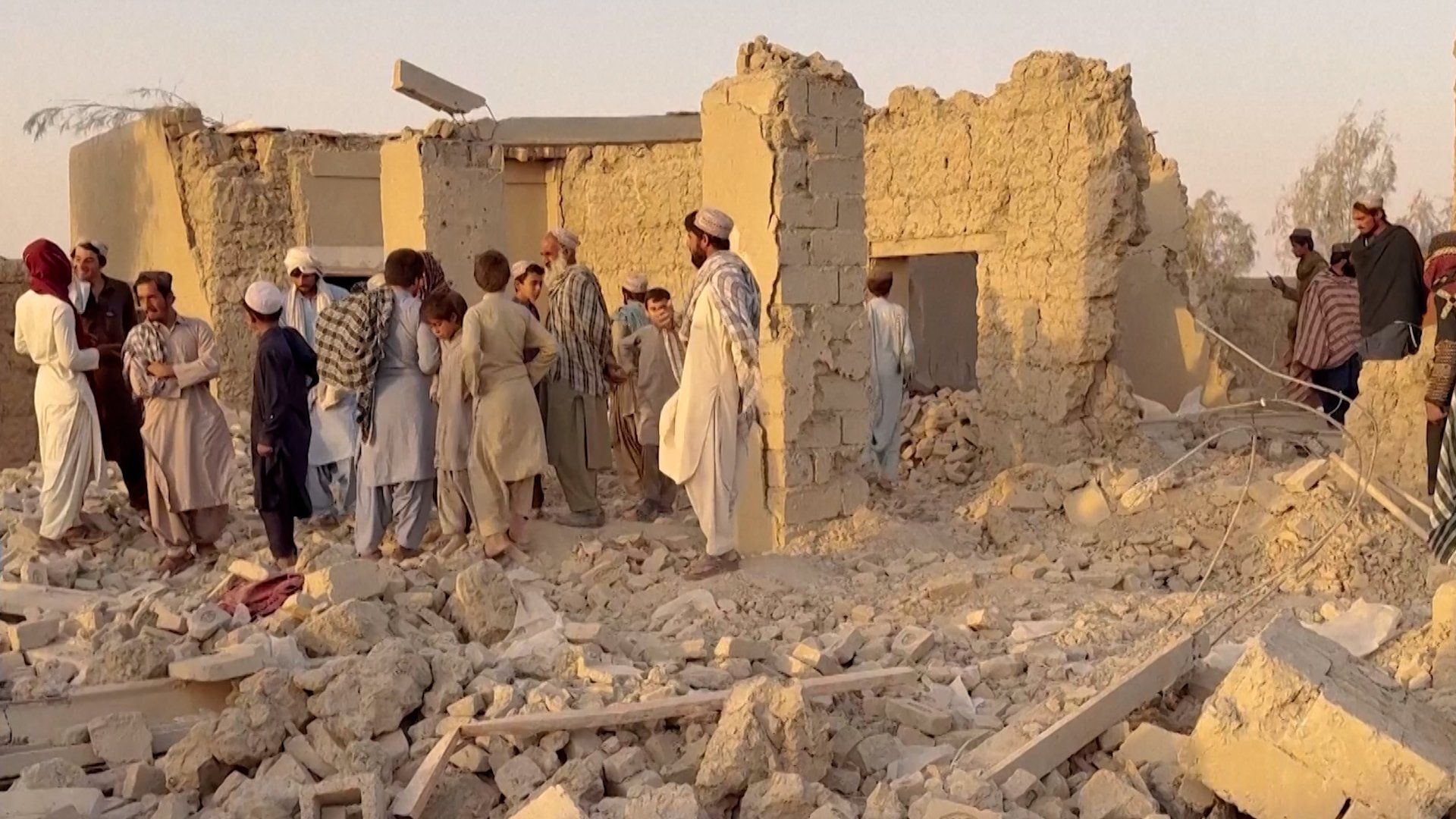
Pakistan's military carried out airstrikes in Afghanistan on October 1, claiming to kill 22 militants at alleged hideouts in Kunar and Helmand provinces. But the UN confirmed at least 10 civilians, mostly children, were killed and 9 others wounded in the strikes. Afghan Taliban officials said three homes were destroyed and called the attacks an "act of aggression" against their sovereignty.
Pakistan said it took "maximum precautions" during Operation Ghazab lil-Haq, calling the strikes "well planned and calibrated" responses to terrorist threats. UN Special Rapporteur on human rights questioned whether the civilian deaths came from "incompetence, negligence, or something worse," warning of possible international law violations. The strikes mark the third Pakistani attack in two weeks on Afghan territory, deepening tensions between Islamabad and Kabul.
Why Pakistan Says It Struck Afghanistan
Pakistan accused the Afghan Taliban of letting the Pakistani Taliban (TTP) operate from Afghan soil. The UN Security Council monitoring team confirmed that the TTP, al-Qaeda, and other groups maintain "operational links" and safe havens in Afghanistan. Pakistan says these militants launch deadly attacks into Khyber Pakhtunkhwa and Balochistan provinces, killing civilians and soldiers. Kabul denies harboring these groups, but cross-border violence has surged since 2022 when a ceasefire between Pakistan and the TTP collapsed.
Civilian Casualties Paint a Grim Picture
A resident of Garmsir in Helmand told the BBC that bombardment began around 3:30 a.m. and lasted about 30 minutes. In Kunar, one family of six—including children—was killed moments after relocating to the area. UNAMA, the UN mission in Afghanistan, documented the deaths and called for accountability. The October 1 strikes represent Pakistan's third attack in two weeks; a prior strike in Kandahar killed four more civilians, according to Taliban officials.
The deaths have sparked global criticism. Al Jazeera reported that the European Union and the UN demanded immediate de-escalation and respect for international humanitarian law. Richard Bennett, the UN Special Rapporteur on human rights in Afghanistan, said on social media that "accountability is paramount" and that civilian casualties may violate international treaties protecting non-combatants.
The Afghan Taliban Rejects Pakistan's Justification
Zabihullah Mujahid, the Taliban's chief spokesman, condemned the airstrikes as unprovoked military aggression and a violation of Afghan sovereignty. He said three civilian homes were destroyed and nine to eleven women and children were killed or injured. The Taliban denies harboring militants hostile to Pakistan and argues that Pakistan manufactures false claims to justify cross-border raids. CBS News reported that Taliban officials view the escalation as part of a deliberate campaign to destabilize their government.
Tensions Could Spiral Into Open Conflict
The Durand Line—the 2,600 km border between Pakistan and Afghanistan—is now a flashpoint for regional war. If cross-border strikes continue, RFE/RL warned that displacement in border provinces, disrupted humanitarian aid, and collapsed trade agreements could destabilize the entire region. China, Russia, Turkey, and Saudi Arabia have attempted mediation, but neither Islamabad nor Kabul shows signs of backing down. The broader international community fears that unchecked cross-border warfare could trigger a larger regional conflict.
Sentiment
Mostly NegativeNEGATIVENEUTRALPOSITIVE
Publishers
36
Articles
93
Reach
129
A
AnonymousAuthor


