New EU Security Protocol
EU Discusses Emergency Security Protocol to Counter Russian Hybrid Threats
Anonymous
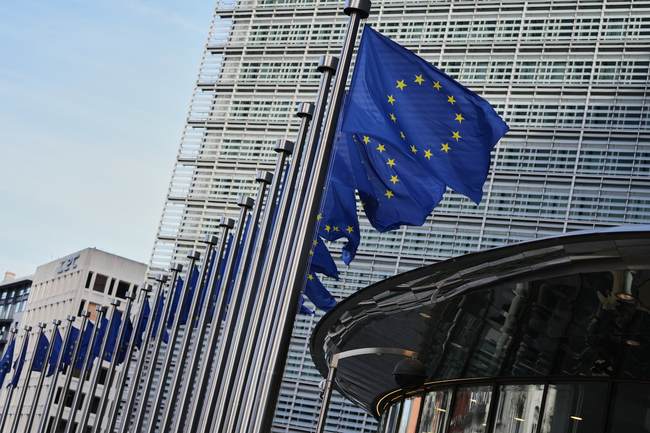
EU ministers held an initial discussion of an emergency security protocol, modeled on NATO’s Article 4, to coordinate responses to Russian-linked hybrid threats below the threshold of armed aggression, including sabotage, cyberattacks, drone incursions and airspace violations. Proposed by European Commission President Ursula von der Leyen and foreign policy chief Kaja Kallas, the mechanism could allow a member state facing a serious threat to convene urgent consultations and draw on EU tools such as sanctions, visa restrictions, expert support and funding. Ministers broadly supported stronger coordination but said details remain to be worked out, including when and how to use existing tools. Officials stressed cooperation with NATO and the need for reliable evidence before attributing attacks. Kallas warned that intelligence points to further Russian sabotage, which officials say is intended to intimidate Ukraine’s supporters and undermine unity.
Key Points
1
A Russian aircraft breached Finnish airspace over the Gulf of Finland on the Friday before the ministers’ meeting, prompting Finnish and Swedish authorities to scramble fighter jets.
2
Finnish Defence Minister Antti Häkkänen said Russia was increasing hybrid pressure because it was “not gaining any success on the battlefield,” and called for Europe to respond “calm but decisively.”
3
Irish Foreign Minister Helen McEntee argued the EU should act not only after incidents but also to “pre-empt possible escalations”; Ireland is one of just four EU countries that is not a NATO member.
4
Estonia was still investigating a suspected mid-August arson attack on defence contractor Milrem Robotics as possible Russian sabotage. An Estonian official said they wanted authorities to establish who was responsible before publicly identifying the culprit.
Sentiment
Mostly NegativeNEGATIVENEUTRALPOSITIVE
Publishers
25
Articles
43
Reach
68
A
AnonymousAuthor


