IAEA Ends Syria Nuclear Noncompliance Case
IAEA Ends Syria Nuclear Noncompliance Case
Anonymous
Key Points
1
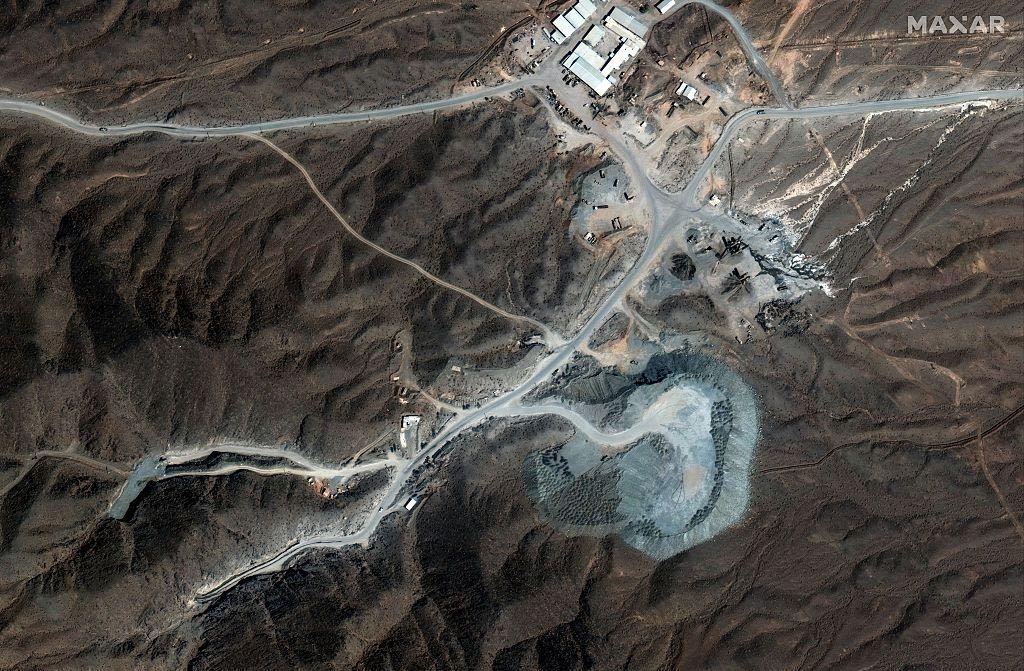
IAEA inspectors visited two locations in the previous month: the Deir Ezzor site and a second, undisclosed site identified by Syrian authorities.
2
IAEA Director General Rafael Grossi said the nearly completed reactor would have been capable of producing material usable in nuclear weapons and described it as evidence that the previous Syrian government was pursuing “a number of clandestine” activities.
3
Beyond the reactor, investigators identified a fuel-fabrication plant where the reactor’s nuclear fuel was manufactured, as well as a separate location used to store nuclear fuel, uranium scrap and waste.
4
The resolution specifically encourages Syria to continue excavation work at the Deir Ezzor site and asks the IAEA director general to update the Board of Governors on the results of ongoing activities in Syria.
5
Grossi praised Damascus for the “courageous decision” to disclose the previously unidentified site to the agency.
The International Atomic Energy Agency unanimously closed its investigation into Syria's nuclear violations after the post-Assad government cooperated fully with inspectors. IAEA Director General Rafael Grossi praised Damascus for a "courageous decision" to disclose previously hidden nuclear sites. The resolution, backed by Egypt, Jordan, Morocco and Saudi Arabia, lifts the noncompliance finding that had shadowed Syria since Israel bombed a secret reactor near Deir al-Zor in 2007.
Investigators confirmed the destroyed facility was a nearly completed nuclear reactor capable of producing weapons-grade material IAEA also identified a fuel-fabrication plant and discovered about 73 metric tons of natural uranium now under international oversight. The breakthrough caps a 17-year case that exposed how Syria's previous government secretly pursued nuclear weapons development.
Syria Reveals Hidden Nuclear Sites to Inspectors
IAEA inspectors visited two locations in recent weeks after Syrian authorities voluntarily disclosed a previously unknown facility. IAEA Director Grossi stated the new site reveals Damascus had pursued "a number of clandestine" nuclear activities under the former government. The cooperation marks a sharp break from Assad-era stonewalling that kept investigators out for over a decade.
The 2007 Reactor That Almost Was Weapons-Capable
Israel's September 2007 airstrike on Deir al-Zor destroyed a covert facility that IAEA determined was "very likely" a nuclear reactor nearing completion. The reactor would have produced plutonium usable in nuclear weapons, according to IAEA analysis. If operational, it would have given Syria a domestic source of weapons material independent of foreign suppliers.
Fuel Plant and Uranium Stockpile Catalogued
Beyond the reactor, IAEA investigators discovered a fuel-fabrication plant where the reactor's nuclear fuel was manufactured. They also identified a storage location holding nuclear fuel, uranium scrap and waste across multiple sites. The agency now oversees approximately 73 metric tons of natural uranium, preventing any diversion to weapons programs.
Damascus Commits to Continued Transparency
The IAEA resolution specifically encourages Syria to proceed with ongoing excavation work at the Deir al-Zor site and permits further inspections. IAEA Director Grossi will update the Board of Governors periodically on Syria's compliance and the progress of investigation work. The decision signals that international nuclear oversight can pivot from punishment to cooperation when governments choose transparency.
Sentiment
Mostly NegativeNEGATIVENEUTRALPOSITIVE
Publishers
26
Articles
108
Reach
134
A
AnonymousAuthor


