Israel's Disarmament Concerns
Israel voices serious security concerns over White House's proposed Hamas disarmament deal.
Anonymous
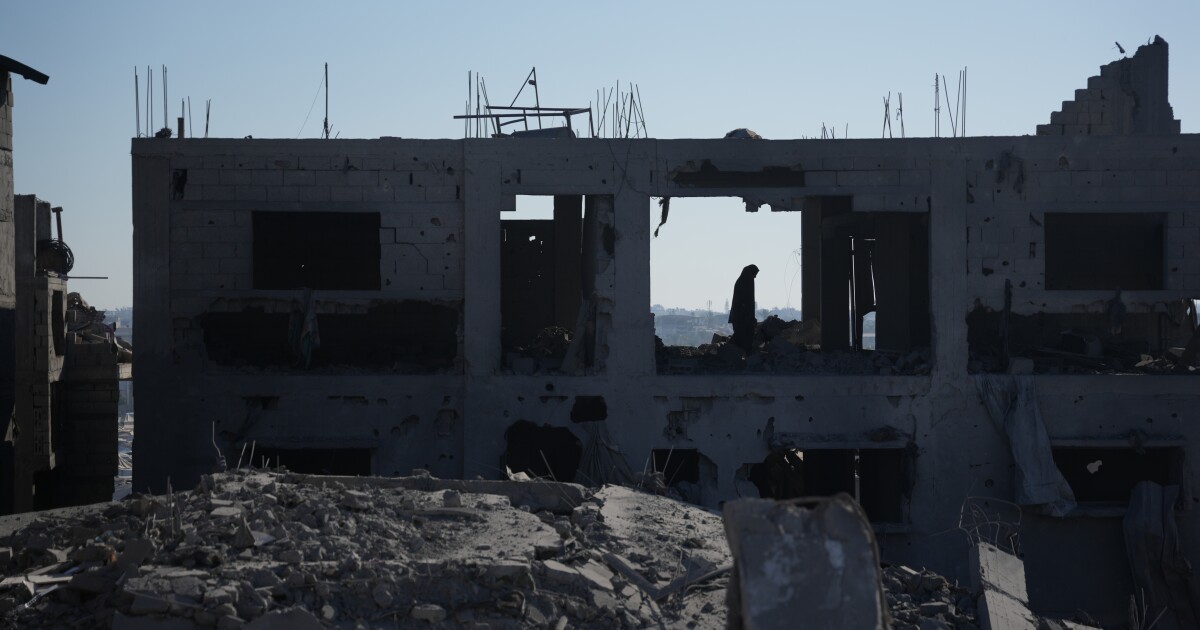
Israel has raised serious security concerns with the White House over a proposed deal requiring Hamas to disarm, marking the first public pushback since U.S. President Donald Trump announced the agreement, according to KXLF.
Doron Spielman, a spokesperson for the Israeli Prime Minister's office, warned that Hamas has no intention of giving up its weapons. He said Israel's military will not leave Gaza until Hamas fully disarms. The statement signals a potential rift between Washington and Jerusalem over how to end the conflict.
Israel Says Hamas Is Rebuilding, Not Disarming
Spielman said Hamas remains focused on rebuilding its military, not giving it up. "Hamas is committed to rebuilding its military rather than demilitarizing," he said, according to WTVR. Israel views this as a direct threat to any lasting peace deal.
Israel's position is firm: its forces will stay in Gaza until Hamas lays down its arms. A full withdrawal before disarmament, Israeli officials argue, would simply give Hamas time and space to regroup and rearm.
What the 20-Point Ceasefire Plan Actually Demands
The disarmament deal is part of a broader 20-point ceasefire plan brokered with U.S. involvement, according to TMJ4. Under the plan, Hamas must surrender all of its weapons and destroy its vast tunnel network beneath Gaza.
Weapons held by Hamas-run police would be handed over to a U.N.-backed body called the National Committee for the Administration of Gaza. This group, sometimes called a Palestinian technocratic committee, would take control of security functions. The idea is to replace Hamas's armed rule with a neutral governing structure.
Trump Announced the Deal, But Details Remain Disputed
President Trump announced the agreement publicly, framing it as a major step toward ending the Gaza conflict. But Israel's public pushback suggests key details were not fully agreed upon before Trump made the announcement, according to KOAA.
This kind of gap between U.S. announcements and Israeli sign-off has created friction before. Israel has long insisted it must approve any deal that affects its security. The disarmament question is among the most sensitive issues in any ceasefire negotiation.
Tunnel Destruction Adds Another Layer of Complexity
Beyond weapons, the deal demands Hamas destroy its tunnel network. That network spans hundreds of miles beneath Gaza. It has been used for smuggling weapons, moving fighters, and hiding hostages, according to KPAX.
Verifying that tunnels are fully destroyed is a massive challenge. International monitors would need access to confirm compliance. Israel has said it will not trust Hamas to self-report, making outside verification a key sticking point in any final agreement, according to WMAR2 News.
Sentiment
NeutralNEGATIVENEUTRALPOSITIVE
Publishers
12
Articles
12
Reach
12
A
AnonymousAuthor


