Gaza Withdrawal Conditions
US-Led Board Links Gaza Withdrawal to Hamas Disarmament; Netanyahu Government Objects to Terms
Anonymous
Key Points
1
The board’s latest text reportedly proposed an immediate halt to Israeli strikes in Gaza, a stipulation Netanyahu’s government publicly opposed, prompting discussions with Nickolay Mladenov and a subsequent meeting with Netanyahu.
2
Far-right Israeli Finance Minister Bezalel Smotrich described the published text as “completely different” from the version presented to Netanyahu’s security cabinet, underscoring internal government disagreements over the framework.
3
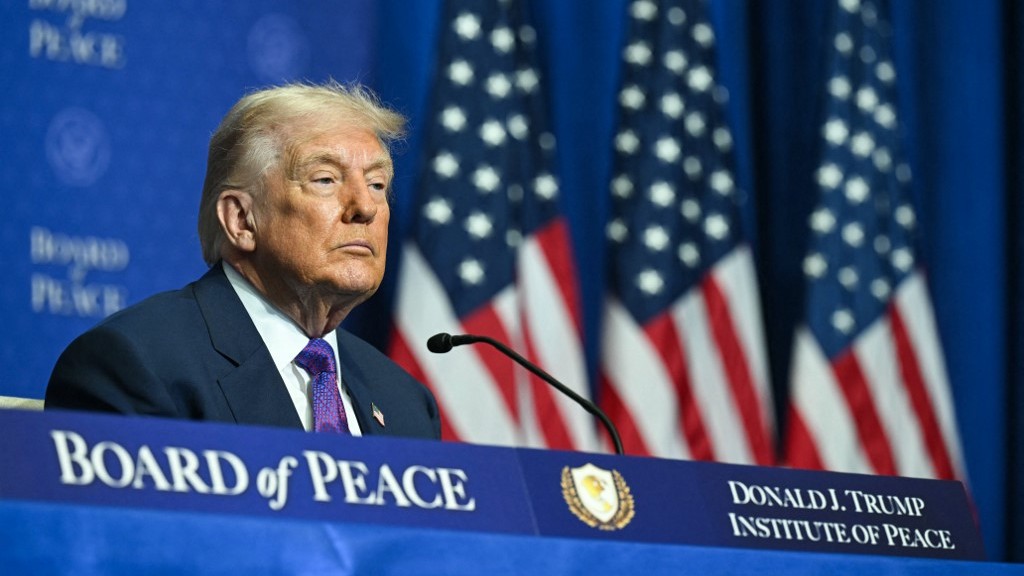
The Board of Peace is described as having been established by Donald Trump in January to oversee Gaza’s administration after Israel’s war, framing its authority and mandate for mediating the disarmament and governance process.
4
Casualty figures cited in relation to the framework include more than 1,200 Palestinians killed since the latest ceasefire and more than 73,000 since the October 2023 onset of the war, illustrating the ongoing human cost surrounding the negotiations.
5
The Yellow Line is elaborated as the demarcation behind which Israeli forces base themselves in Gaza, clarifying how far withdrawal would extend under the phased framework while noting continued Israeli control in other parts of Gaza.
The US-led Board of Peace has told Israel that its forces will not pull back beyond the Yellow Line in Gaza until Hamas fully disarms — every weapon, from light arms to tunnels. Middle East Eye reported that the board rewrote its withdrawal terms after meeting with Israeli Prime Minister Benjamin Netanyahu, framing the condition as a concession to keep his government on board.
The move comes as mediators face pressure from two sides. Netanyahu's office said the published framework does not reflect Israel's positions. Meanwhile, more than 1,200 Palestinians have been killed since the latest ceasefire, and more than 73,000 since the war began in October 2023, according to South China Morning Post.
What the Yellow Line Means for Israeli Withdrawal
The Yellow Line is a demarcation — a boundary inside Gaza behind which Israeli forces are currently based. Under the framework, Israel would only pull back further once Hamas gives up all its weapons. South China Morning Post reported that even after a withdrawal, Israel would still hold substantial control over Gaza under the broader October ceasefire arrangement.
Board envoy Nickolay Mladenov met Netanyahu directly to discuss the terms. After those talks, the Board of Peace said it had reached a "common understanding" with Israel on shared goals. The board made clear that disarmament must cover everything — light arms, heavy weapons, and tunnel networks — before any Israeli pullback begins.
Netanyahu's Government Pushes Back on Published Text
Netanyahu's office quickly distanced itself from the public version of the framework. It said the published text does not reflect Israel's actual positions. Far-right Finance Minister Bezalel Smotrich went further, calling the document "completely different" from the version shown to Israel's security cabinet, Middle East Eye reported.
The internal disagreement shows how divided Netanyahu's coalition is. Several far-right ministers said the published plan does not match what they were told. The board's earlier draft had called for an immediate halt to Israeli strikes in Gaza — a condition Netanyahu's government openly opposed, which triggered the meetings with Mladenov in the first place.
Palestinians Say Trump's Plan Does Not Match Reality
Palestinian leaders are skeptical. The Independent reported that Palestinians view Trump's peace plan as disconnected from the reality on the ground. The Board of Peace was set up by Donald Trump in January to oversee Gaza's administration after the war. But with strikes still ongoing and casualty numbers rising, Palestinians see the framework as far from workable.
Mediators have condemned civilian deaths tied to continued Israeli strikes. More than 1,200 Palestinians have been killed since the latest ceasefire alone. Hamas has also signaled its own stance on the disarmament deal, raising doubts about whether the core condition — full weapons handover — can ever be met.
Hamas Disarmament Demand Remains the Central Sticking Point
The disarmament condition is the heart of the deal — and its biggest obstacle. Hamas built its power in Gaza on armed resistance. Giving up all weapons, including tunnels it spent years building, would strip it of its core leverage. Middle East Eye noted that Hamas has signaled its position on the deal, though it has not publicly agreed to the terms.
The 2026 Palestinian elections add another layer of complexity. BESA Center noted that elections are being designed to align the Palestinian Authority with international requirements — a process that structurally excludes Hamas from political power. That dynamic makes Hamas even less likely to trade its weapons for a seat at a table it may not be invited to.
Sentiment
Mostly NegativeNEGATIVENEUTRALPOSITIVE
Publishers
17
Articles
66
Reach
83
Topics
A
AnonymousAuthor


