Lil Durk Trial Deliberations
Federal Jury Deliberates in Murder-for-Hire Trial of Rapper Lil Durk
Anonymous
Key Points
1
Prosecutors said at least 18 rounds were fired at the vehicle carrying Quando Rondo and Saviay’a Robinson outside the Beverly Center, where Robinson was killed.
2
The defense argued that Banks’ former personal assistant, Kavon Grant, may have arranged the attack independently to impress Banks; Grant later became a government witness.
3
The defense called nine witnesses, including Banks’ sound engineer, an Alamo Records marketing executive, King Von’s son’s mother and the wife of cooperating witness Kasey “OTF Jam” Hester. Hester’s wife testified that she never heard anyone direct her husband to travel to California.
4
In closing arguments, prosecutor Ian Yanniello said the shooting “doesn't make sense without” Banks’ leadership, while defense attorney Drew Findling called it “the bounty case with no money” and “the stalking case with no stalking.”
5
After the trial’s evidentiary phase ended, Banks made his first public statement since proceedings began by sharing the Instagram Story message, “Allah Is The Greatest.”
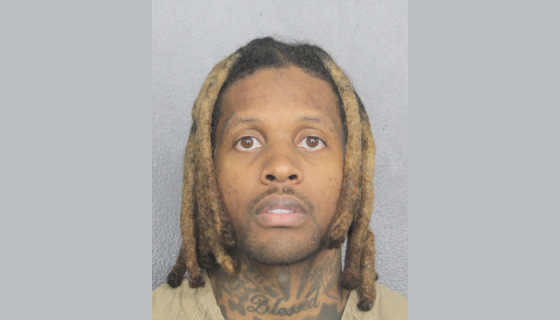
A federal jury in Los Angeles is now deliberating in the murder-for-hire trial of Grammy-winning rapper Lil Durk, whose legal name is Durk Banks. NBC Los Angeles reports that prosecutors allege Banks used money and associates to target rival rapper Quando Rondo in retaliation for the 2020 killing of his friend King Von, though a 2022 shooting near the Beverly Center killed Rondo's cousin, Saviay'a Robinson, instead. Banks faces life in prison if convicted.
The prosecution's case relies heavily on three former associates who pleaded guilty and testified against Banks, along with travel records and communications. Hip Hop Wired notes that Banks' defense team argues the cooperating witnesses are unreliable and that the case rests on circumstantial evidence. Banks and two co-defendants have pleaded not guilty to conspiracy, stalking, and murder-for-hire charges.
A Shooting With the Wrong Target
Prosecutors say at least 18 rounds were fired at the vehicle carrying Quando Rondo and Saviay'a Robinson outside the Beverly Center shopping complex. Robinson, Rondo's cousin, was killed in the attack. Mixxer Chiick reports that closing arguments centered on the credibility of three men who pleaded guilty and testified that Banks directed the plot in retaliation for King Von's death two years earlier.
The defense has pointed out a troubling detail: the shooting killed the wrong person. Hip Hop Wired notes that prosecutors must still prove the charged conduct and resulting death even though the alleged target was Quando Rondo. The unintended victim does not automatically eliminate criminal liability if the jury finds the alleged plan and causation are proven.
Three Former Associates Turned Against Banks
The prosecution's core strategy depends on testimony from three men who pleaded guilty and agreed to cooperate. Mixxer Chiick reports that closing arguments focused on evaluating these witnesses' credibility. The defense challenged their reliability, arguing they have strong incentives to blame Banks in exchange for reduced sentences.
Defense attorney Drew Findling attacked the prosecution's theory in closing, calling it "the bounty case with no money" and "the stalking case with no stalking." 103weup states that two of Banks' former affiliates, known as OTF Jam and OTF Vonnie, testified against him during trial. The defense called nine witnesses, including Banks' sound engineer, a marketing executive, and the wife of cooperating witness Kasey "OTF Jam" Hester, who testified she never heard anyone direct her husband to travel to California.
The Challenge of Proving Leadership From a Distance
Prosecutors must prove Banks knowingly directed the murder plot, not merely that he associated with people who carried it out. Prosecutor Ian Yanniello argued the shooting "doesn't make sense without" Banks' leadership. The defense countered that Banks' former personal assistant, Kavon Grant, may have arranged the attack independently to impress him.
Travel records, communications, and financial transfers form the government's circumstantial evidence linking Banks to the plot. Yahoo reported that Banks broke his silence near the end of trial by posting an Instagram Story message: "Allah Is The Greatest." The jury must now decide whether this evidence proves guilt beyond a reasonable doubt.
Sentiment
Mostly NegativeNEGATIVENEUTRALPOSITIVE
Publishers
17
Articles
19
Reach
36
A
AnonymousAuthor


