Binance MiCA Bid Faces Reported Lagarde Intervention
Binance MiCA Bid Faces Reported Lagarde Intervention
Anonymous
Key Points
1
Binance was reportedly preparing in late May to announce EU-wide authorization through Greece after Greek officials indicated that its application was complete. The company drafted a release calling the expected approval a “Major Milestone,” while co-CEO Richard Teng planned to travel to Athens for a meeting and photograph with Prime Minister Kyriakos Mitsotakis.
2
The reported opposition was tied not only to Binance’s past U.S. violations but also to concerns that granting the exchange a MiCA passport could accelerate the use of U.S.-dollar stablecoins in Europe, potentially undermining European monetary sovereignty and payment autonomy as the ECB advances work on the digital euro.
3
Binance’s 2023 U.S. guilty plea covered violations of the Bank Secrecy Act, failure to register as a money-transmitting business and sanctions laws; Reuters also reported that European regulators examined the exchange’s corporate structure and legal history during the Greek licensing process.
4
The European Commission has proposed transferring supervision of major crypto firms to the European Securities and Markets Authority, but that proposed change has not yet become law.
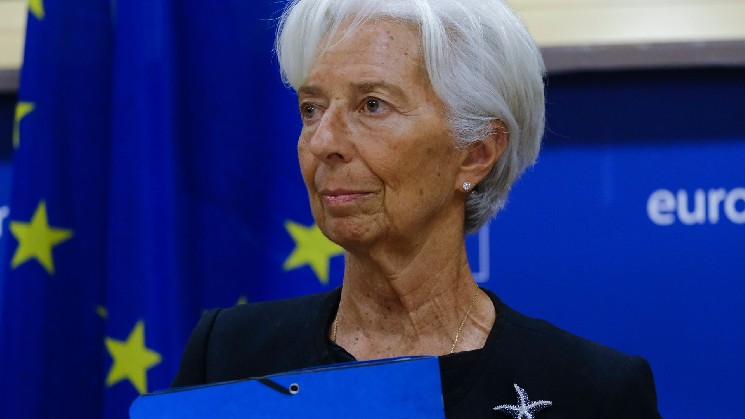
Binance's bid for a European license through Greece hit a major roadblock after European Central Bank President Christine Lagarde reportedly urged Prime Minister Kyriakos Mitsotakis to reject the application, The Wall Street Journal reported. Binance withdrew its MiCA (Markets in Crypto-Assets) license request on June 24, just before Greece's capital markets regulator could rule on it, citing plans to pursue another authorization path instead.
The reported intervention centered on Binance's troubled compliance history and fears that approving the exchange could boost dollar-backed stablecoins in Europe, potentially weakening the ECB's control over the continent's financial system. Binance agreed to a U.S. settlement exceeding $4 billion in 2023 for money-laundering and sanctions violations, raising fresh concerns among European regulators.
Lagarde's Behind-The-Scenes Push Against Binance
In late May, Binance was preparing to announce a major milestone: EU-wide authorization secured through Greece. Co-CEO Richard Teng had planned to travel to Athens for a photo opportunity with Prime Minister Mitsotakis, and the company drafted a celebratory press release. But behind the scenes, The Wall Street Journal reported, Lagarde quietly lobbied the Greek leader to shut the door.
Neither Lagarde, the ECB, nor Greece's Hellenic Capital Market Commission has publicly confirmed the reported intervention. However, the timing is striking: Binance's June 24 withdrawal came just before the Greek regulator was set to make a formal decision on the application. Binance now says it is pursuing an alternative route to European authorization.
The Stablecoin Threat to European Monetary Control
ECB officials worried that a Binance license would turbocharge the use of U.S.-dollar stablecoins across Europe. These digital assets, pegged to the dollar, could undermine the ECB's control over payments and weaken European monetary sovereignty just as the central bank develops its own digital euro. A major crypto exchange with full EU authorization could accelerate adoption of dollar-denominated alternatives.
The concern reflects a broader European push to protect its financial independence. By blocking Binance's MiCA passport—a single license that would let the exchange operate across all EU member states—Lagarde and other officials aimed to prevent a fast-growing competitor from fragmenting the eurozone's payment ecosystem.
Binance's Compliance Record Haunts European Ambitions
Binance's 2023 U.S. guilty plea made the company a regulatory pariah in many jurisdictions. The exchange pleaded guilty to violating the Bank Secrecy Act, failing to register as a money-transmitting business, and breaching sanctions laws. Reuters reported that European regulators also scrutinized Binance's corporate structure and legal history during the Greek licensing review.
These violations—coupled with the $4 billion-plus settlement—gave Lagarde and other European officials clear grounds to oppose the license without explicitly saying so. A company that had already failed anti-money-laundering checks in America was an easy target for central bankers intent on blocking its EU expansion.
Regulatory Uncertainty for Binance's Next Move
Under current MiCA rules, national regulators like Greece's Hellenic Capital Market Commission hold licensing authority. The ECB does not issue crypto licenses itself, and the European Securities and Markets Authority only coordinates across member states. This fragmentation meant Lagarde had to work through back channels rather than directly veto Binance.
The European Commission has proposed transferring major crypto-firm supervision to the ESMA, which could create a more centralized approval process. But that change has not yet become law. For now, Binance remains absent from the EU's register of authorized crypto-service providers, and its path back remains unclear.
Sentiment
Mostly NegativeNEGATIVENEUTRALPOSITIVE
Publishers
17
Articles
16
Reach
33
A
AnonymousAuthor


