Large-Scale Firepower Drill
North Korea conducts large-scale firepower drill featuring drones and missiles following allied exercises.
Anonymous
Key Points
1
North Korean leader Kim Jong Un did not observe the drill; it was directed instead by Park Jong Chun, vice chairman of the Workers’ Party’s Central Military Commission, and Yu Chang Son, chief of the Korean People’s Army’s Artillery Bureau.
2
The exercise involved units selected from five artillery and missile combined units, rather than a single formation or isolated weapons test.
3
North Korean officials said the drill was also intended to raise troop morale and improve the military’s ability to “completely collapse the enemy.”
4
North Korea described the event as a concentrated-fire exercise designed to demonstrate the “huge destructive power” of its combined weapons systems, rather than merely a series of separate missile launches.
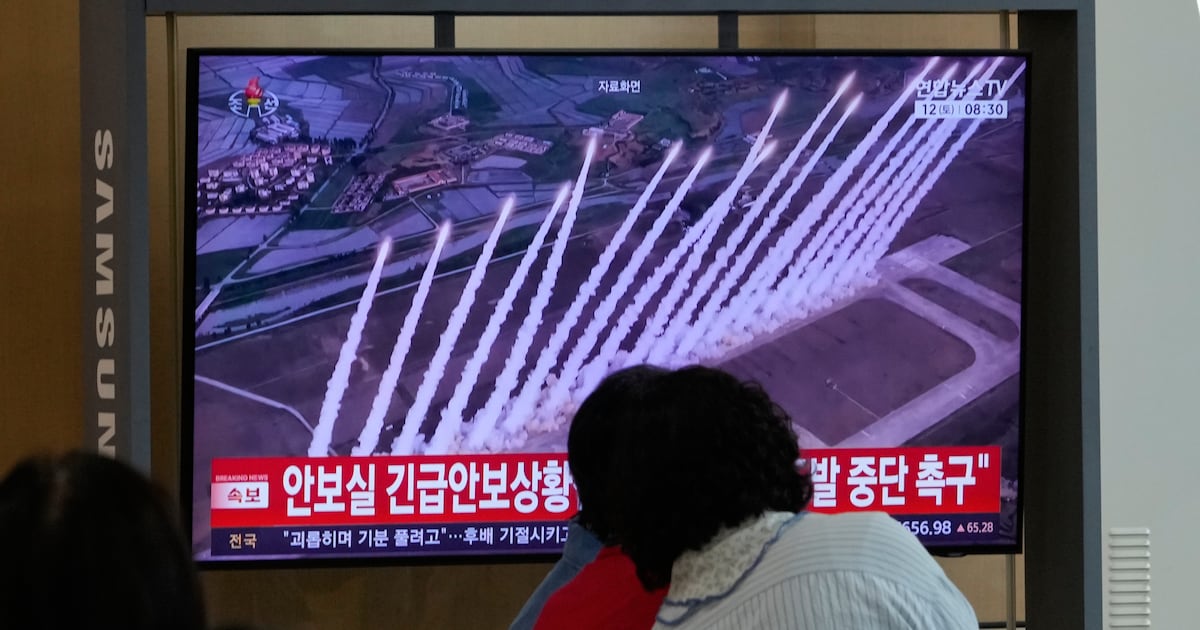
North Korea conducted a large-scale firepower drill on Saturday involving long-range artillery, tactical missiles, and attack drones across five military units, according to KCNA. The exercise tested tactical cruise missiles, thermobaric rocket launchers, and ballistic missiles, with North Korean officials claiming 100 percent accuracy. South Korea reported that North Korea launched several ballistic missiles from near Wonsan toward the East Sea, or Sea of Japan.
The drill appeared designed as a response to five-day joint maritime exercises involving South Korea, the United States, and Japan that concluded earlier. North Korea Times reported that officials aimed to improve integrated fire control and demonstrate the "huge destructive power" of combined weapons systems rather than conduct isolated missile tests. Kim Jong Un did not attend; instead, Park Jong Chun and Yu Chang Son, top military officials, directed the operation.
Weapons Tested in Coordinated Strike Exercise
The Saturday drill involved units selected from five different artillery and missile combined formations, making it more complex than a single weapons test, North Korea Times reported. The exercise integrated attack drones, tactical cruise missiles, large-caliber thermobaric multiple rocket launchers, and tactical ballistic missiles. Each weapon system was meant to work together in a coordinated attack rather than operate independently.
Market Screener reported that North Korean officials said the drill aimed to improve integrated, automated fire control and the ability to coordinate multiple strike systems. Officials also said the training sought to raise troop morale and boost the military's capacity to "completely collapse the enemy." The claimed 100 percent accuracy rate suggested confidence in North Korea's weapons capabilities.
Timing Suggests Response to Allied Naval Exercises
North Korea's firepower drill followed immediately after joint maritime exercises involving South Korea, the United States, and Japan. Those five-day exercises concluded recently and focused specifically on countering North Korean threats. AJC noted that the timing suggested North Korea designed its weapons display partly as a response to the allied operations.
The coordinated nature of North Korea's drill—involving five separate units and multiple weapon systems—demonstrated an escalation from isolated test launches. By displaying integrated capabilities rather than single missiles, North Korea signaled it could conduct complex, multi-pronged attacks. The exercise served both as military training and political messaging to regional rivals.
Kim Jong Un Absent as Lower Commanders Lead Operations
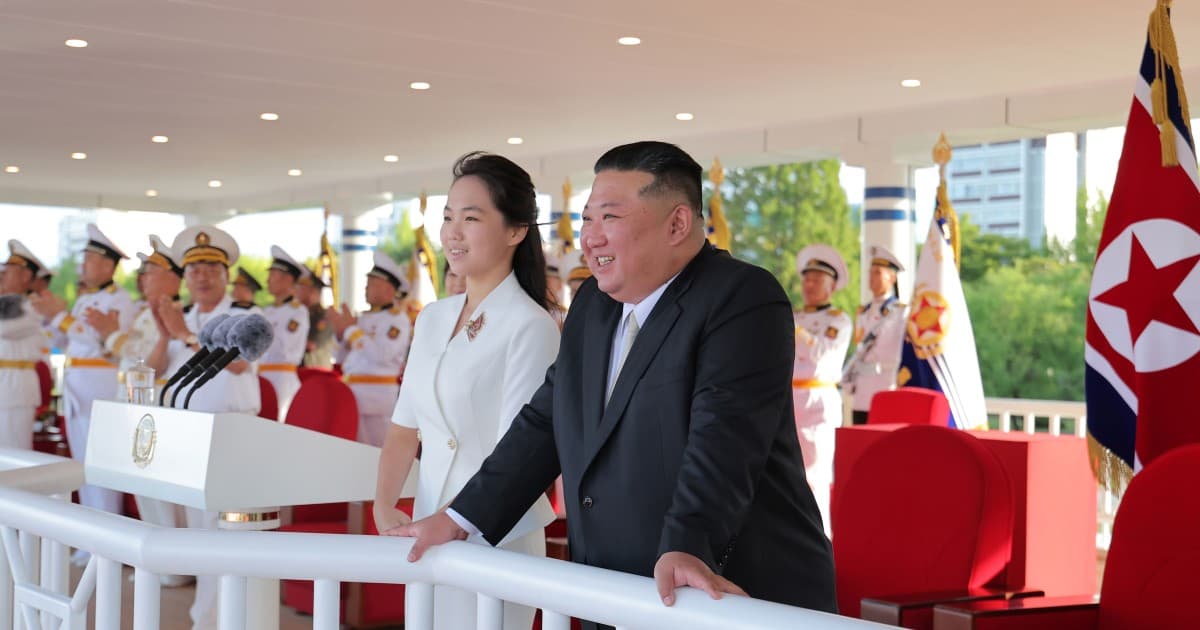
North Korean leader Kim Jong Un did not observe Saturday's drill, a notable absence from weapons demonstrations he typically attends. North Korea Times reported that Park Jong Chun, vice chairman of the Workers' Party's Central Military Commission, and Yu Chang Son, chief of the Korean People's Army's Artillery Bureau, directed the exercise instead. The delegation of authority suggested confidence in these senior commanders to oversee complex operations.
Sentiment
Mostly PositiveNEGATIVENEUTRALPOSITIVE
Publishers
51
Articles
180
Reach
231
A
AnonymousAuthor