DRC School Fire Tragedy
Devastating School Fire in Eastern DRC Kills At Least 24 Children and Destroys Homes
Anonymous
Key Points
1
Local leader Patrice Buduge said the fire began near a school while classes were underway, triggering a violent stampede in which students trampled one another or tried to escape through dangerous routes; many fainted or lost consciousness.
2
A nearby clinic reported receiving about 50 students, including several teachers, in critical condition from asphyxia; 27 people, including two teachers, were transferred to other hospitals for intensive treatment.
3
Accounts indicated that adults may also have been among the victims: one witness said he helped load 17 bodies—including men as well as children—into an ambulance, underscoring the uncertainty surrounding the casualty count.
4
The affected area is a densely built hillside neighborhood known for wooden plank houses, a layout that helped the fire spread rapidly through the settlement.
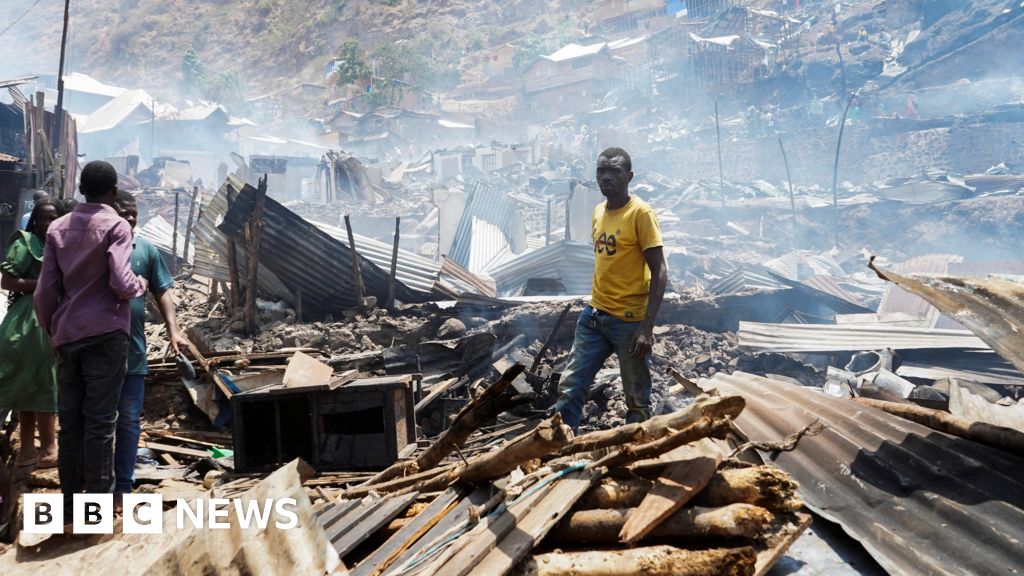
A fire in Bukavu, eastern Democratic Republic of Congo, killed at least 24 children near two primary schools during class hours, according to BBC. The blaze also destroyed hundreds of homes in the densely packed Bagira district. Initial reports ranged from 14 to 26 deaths as authorities verified casualties amid a chaotic evacuation and stampede.
The dead included 19 girls and five boys, Yahoo News reported. Dozens of students, teachers, and residents were injured from smoke inhalation or trampling during the panic. The fire spread rapidly through wooden plank houses stacked on steep hillsides, making escape routes difficult and firefighting complicated.
Stampede Erupted as Fire Spread Through Schools
The fire started near a school while classes were underway, triggering a violent stampede among students, according to local leader Patrice Buduge. Children trampled one another trying to escape or found themselves blocked by dangerous routes. Many fainted or lost consciousness during the chaos.
A nearby clinic received about 50 students and several teachers in critical condition from smoke inhalation, BBC reported. Twenty-seven people, including two teachers, were transferred to other hospitals for intensive care. Witness accounts suggested adults may have died too, with one person loading 17 bodies—including men and children—into an ambulance.
Wooden Houses Fueled Rapid Fire Spread
Bukavu's Bagira neighborhood sits on steep hillsides packed with wooden plank houses. This layout allowed flames to race through the settlement far faster than in typical urban areas. More than 300 homes burned, with authorities demolishing additional buildings to create a firebreak and slow the fire's advance.
The dense, combustible construction left residents few safe escape paths. The fire's speed made conventional firefighting nearly impossible once it gained momentum. This physical vulnerability—typical of informal settlements across the region—turned a building fire into a mass casualty disaster.
Fragmented Authority Complicates Casualty Counts
Early death tolls ranged from 14 to 27 as hospitals, witnesses, and officials reported different numbers at different times. Many victims were still being transported or treated when initial counts were made. BBC noted the difficulty of establishing reliable casualty figures in a conflict-affected city with fragmented emergency coordination.
Bukavu is controlled by the Rwanda-backed AFC/M23 rebel movement, yet the national government in Kinshasa also issued statements and called for investigation. This divided authority slowed rescue efforts and produced conflicting data. Unclear responsibility for school safety and emergency preparedness likely worsened both the disaster and the aftermath.
Sentiment
Mostly NegativeNEGATIVENEUTRALPOSITIVE
Publishers
26
Articles
220
Reach
246
Topics
A
AnonymousAuthor


