Microsoft Expands Indian AI Infrastructure
Microsoft launches its fourth Indian cloud region in Hyderabad to support advanced AI workloads.
Anonymous
Key Points
1
Microsoft India President Puneet Chandok said India generates about 20% of the world’s data but has only around 3% of global data-center capacity, underscoring the infrastructure gap the new region is intended to address.
2
Microsoft said it has already equipped more than 10 million Indians with AI skills and aims to reach 20 million by 2030, arguing that AI readiness requires capabilities in addition to computing infrastructure.
3
Microsoft said its sustainability measures in India include developing 5 million liters of groundwater capacity, contracting 1 gigawatt of renewable energy and already receiving 630 megawatts of that power.
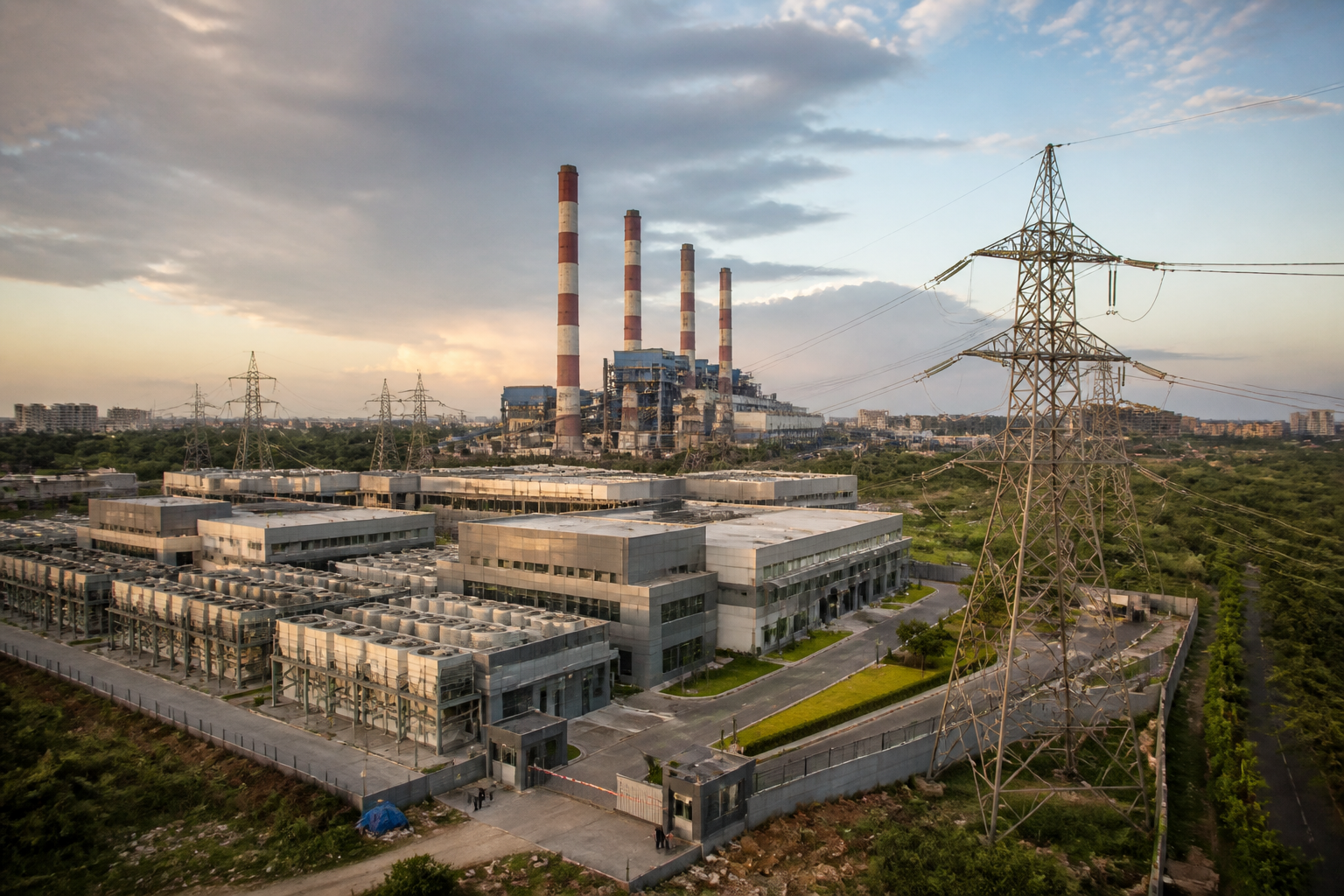
Microsoft opened its fourth cloud region in India on Tuesday, launching India South Central in Hyderabad with three independent availability zones designed for advanced AI workloads. The move is part of Microsoft's $20.5 billion investment plan in India's cloud and AI infrastructure Economic Times, and marks a major step toward closing the country's data-center capacity gap.
India generates about 20% of the world's data but has only around 3% of global data-center capacity, according to Microsoft India. Early customers include Adani Group, Bajaj Finserv, HDFC Bank and PB Pay. The region also features zero-water cooling technology and contracts for 1 gigawatt of renewable energy LiveMint.
The Data Gap Driving India's Cloud Push
India produces massive amounts of data but lacks the computing infrastructure to process it locally. The CSR Journal reports the new Hyderabad region was built to handle AI workloads from the start, helping Indian enterprises avoid shipping sensitive data overseas. Microsoft India President Puneet Chandok emphasized that "India generates about 20% of the world's data but has only around 3% of global data-center capacity," underscoring why this expansion matters.
The government encouraged Microsoft to place the facility near power sources rather than coastal cable stations MeitY, signaling a shift in infrastructure planning. Three independent availability zones ensure services stay up if one zone fails, protecting mission-critical workloads for banks and financial firms.
Microsoft's AI Skills Push Alongside Infrastructure
Building data centers alone is not enough, Microsoft argues. The company has trained over 10 million Indians in AI skills and plans to reach 20 million by 2030 Economic Times. This dual focus—infrastructure plus talent—reflects concern that computational power without trained workers cannot unlock AI's benefits for the nation.
Microsoft emphasizes that AI development must be paired with security oversight and human judgment. The company's India leadership stressed that skills, governance and ethical guardrails are as critical as raw computing capacity for responsible AI adoption across enterprises and government agencies.
Zero-Water Cooling and Renewable Energy Commitment
The Hyderabad region uses zero-water cooling, a significant advantage in water-scarce regions LiveMint. Microsoft has also developed 5 million liters of groundwater capacity and contracted 1 gigawatt of renewable energy. The company already receives 630 megawatts of that power, reducing the facility's carbon footprint and strain on the electrical grid.
This approach aligns with India's clean-energy goals while addressing concerns about data-center power consumption. By anchoring to renewable sources and minimizing water use, Microsoft signals that large-scale AI infrastructure can coexist with environmental responsibility—a model relevant across Asia and the Global South.
Sentiment
Mostly PositiveNEGATIVENEUTRALPOSITIVE
Publishers
20
Articles
26
Reach
46
A
AnonymousAuthor


