Rapid Deportation Expansion
U.S. Expands Third-Country Deportation Program to Over 22,000 People Across 26 Nations
Anonymous
Key Points
1
Belize’s two-year Safe Third Country Agreement with the United States is capped at 10 refugees per year, applies only to CARICOM and Central American nationals (excluding Guatemalans), and allows Belize to review deportees’ professional skills and criminal records before accepting them. Belize received its first transfer—a Haitian national—in July 2026, followed by seven more people, including Haitians, Nicaraguans, Salvadorans and a Honduran.
2
The New Orleans ICE office’s area of responsibility has the country’s second-highest ICE arrest rate relative to its noncitizen immigrant population, according to data obtained by the Deportation Data Project.
3
An Egyptian-born Arizona man who had lived in the United States since age 4 was deported to Equatorial Guinea and later arrested there after reporting that he and other deportees had suffered abuse while imprisoned in a decommissioned hotel.
4
Investigative reporting found that the vast majority of people transferred to third countries had no criminal convictions; their records showed only civil immigration violations, such as unlawful entry or overstaying a visa. Those transferred included citizens of Brazil, Colombia and Venezuela as well as African countries.
5
Liberia’s role as a receiving country carries historical significance: the country was founded in 1822 by free Black Americans and declared independent in 1847. It now has a population of more than 5 million and was selected as part of broader U.S. arrangements with foreign governments.
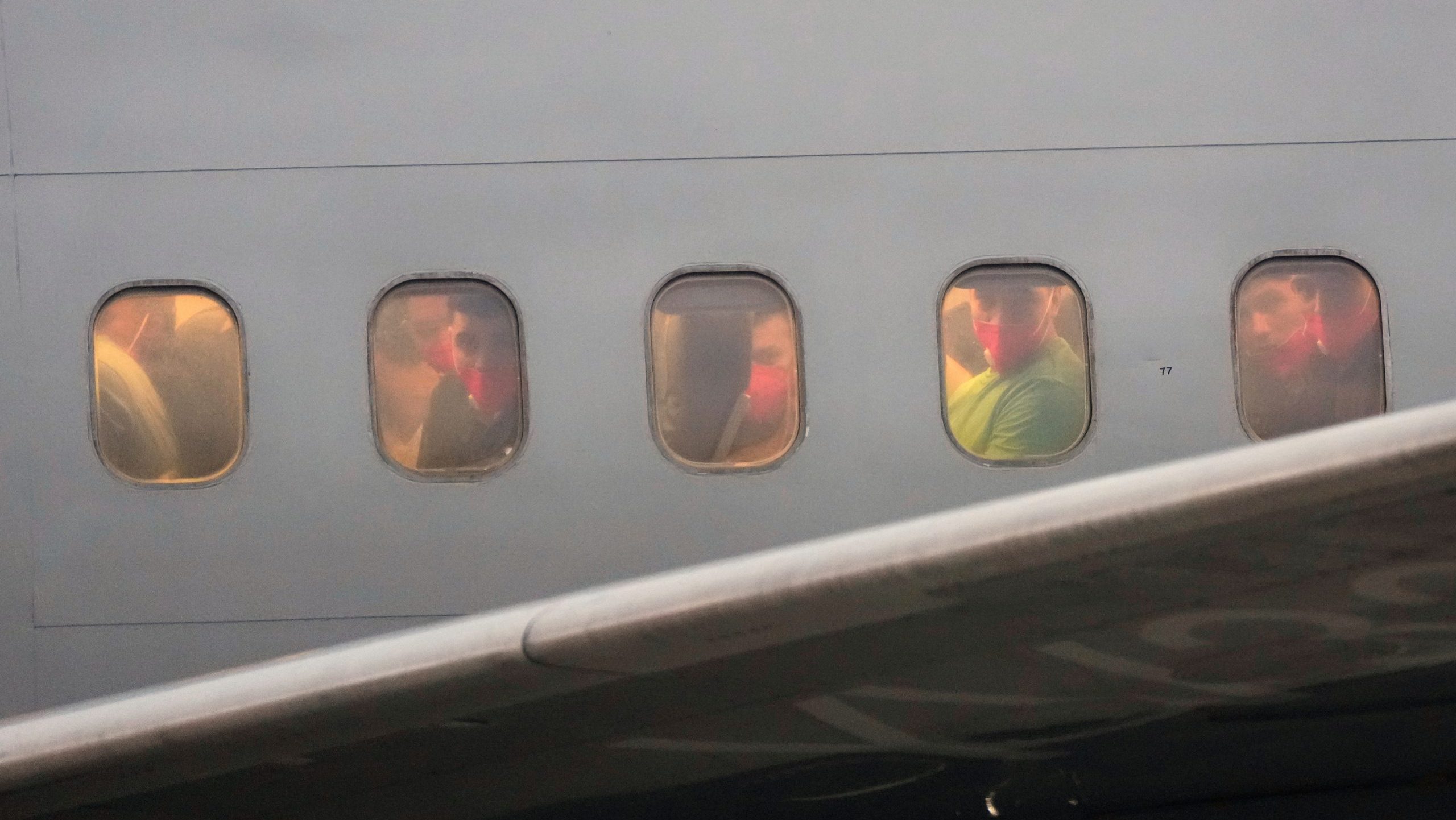
The Trump administration has deported more than 22,000 people to at least 26 countries since February 2025 under an expanding third-country deportation program News Americas Now. Many deportees had court orders protecting them from return to their home countries due to persecution risks, yet still faced removal Documented NY. The administration is pursuing agreements with more than 50 nations and has confirmed payments totaling at least $32.3 million to five foreign governments News Americas Now.
August marked a record month, with 16 tracked third-country removal flights to 13 countries, including newly arranged partnerships with Liberia, Burundi, and Saint Lucia News Americas Now. Homeland Security officials defend the policy as lawful execution of the President's promised largest deportation operation News Americas Now. Critics, however, have documented abuse allegations, detention concerns, and the lack of safe return pathways for deportees Documented NY.
Belize's Limited Refugee Pact Sets Acceptance Ceiling
Belize signed a two-year Safe Third Country Agreement with the United States capping arrivals at just 10 refugees per year News Americas Now. The deal applies only to nationals from CARICOM and Central America, excluding Guatemalans News Americas Now. Belize screens all incoming deportees for professional skills and criminal histories before acceptance News Americas Now.
Belize received its first transfer—a Haitian national—in July 2026, followed by seven more people including Haitians, Nicaraguans, Salvadorans, and a Honduran News Americas Now. The arrangement illustrates how receiving countries maintain control over who enters despite U.S. deportation pressures News Americas Now.
Most Deportees Had No Criminal Convictions
Investigative reporting found that the vast majority of people transferred to third countries faced no criminal convictions Documented NY. Their records showed only civil immigration violations like unlawful entry or overstaying a visa Documented NY. Deportees came from diverse nations including Brazil, Colombia, Venezuela, and African countries Documented NY.
This pattern raises questions about whether the policy targets immigrants based on immigration status rather than public safety concerns Documented NY. Many had lived in the United States for years before deportation orders separated them from families and communities Documented NY.
Abuse Reports and Legal Protections Bypassed
An Egyptian-born Arizona man who arrived in the United States at age 4 was deported to Equatorial Guinea and later arrested there Documented NY. He reported that he and other deportees suffered abuse while imprisoned in a decommissioned hotel Documented NY. His case highlights how court orders barring removal to dangerous countries did not prevent his deportation Documented NY.
A federal appeals court has ruled that immigrants facing third-country deportation must receive sufficient notice before removal Yahoo, though enforcement remains unclear Yahoo. Critics argue the policy circumvents legal protections designed to prevent harm to vulnerable individuals Documented NY.
Liberia and Historical Significance of Receiving Nations
Liberia, founded in 1822 by free Black Americans and independent since 1847, now serves as a third-country deportation destination News Americas Now. The nation has a population exceeding 5 million and was selected as part of broader U.S. arrangements with foreign governments News Americas Now. Its role in accepting U.S. deportees carries complex historical weight given its founding by formerly enslaved Americans News Americas Now.
The inclusion of Liberia alongside 25 other receiving countries reflects how the administration has rapidly expanded its international partnerships News Americas Now. Each receiving nation negotiates its own terms and capacity limits, yet faces U.S. pressure to accept growing numbers of deportees News Americas Now.
Sentiment
Mostly NegativeNEGATIVENEUTRALPOSITIVE
Publishers
16
Articles
7
Reach
23
A
AnonymousAuthor


