Secret Third-Country Deportations
U.S. Administration Deports Over 25,000 Migrants to Third Countries Under Secret Agreements
Anonymous
Key Points
1
At least 20,000 of the third-country deportations went to Mexico, while another 5,447 people had been sent on flights to destinations around the world by Aug. 31, 2026.
2
Nika had been granted legal protection and released on a judge’s order, but the Department of Homeland Security rearrested her within two weeks and deported her to the Central African Republic days later.
3
The U.S. State Department warns American citizens not to travel to the Central African Republic because of security risks; Nika said she now spends most of her time confined to a small bedroom, afraid to go outside while fearing possible return to Iran.
4
The investigation found that 12 of the deportation agreements were made with African countries, as journalists traced people sent to Ghana, Cameroon and Eswatini and documented the uncertainty facing them after arrival.
5
The six-month investigation involved journalists from 15 countries and included 33 interviews with migrants deported under the administration’s policy, within a broader collection of more than 100 eyewitness accounts.
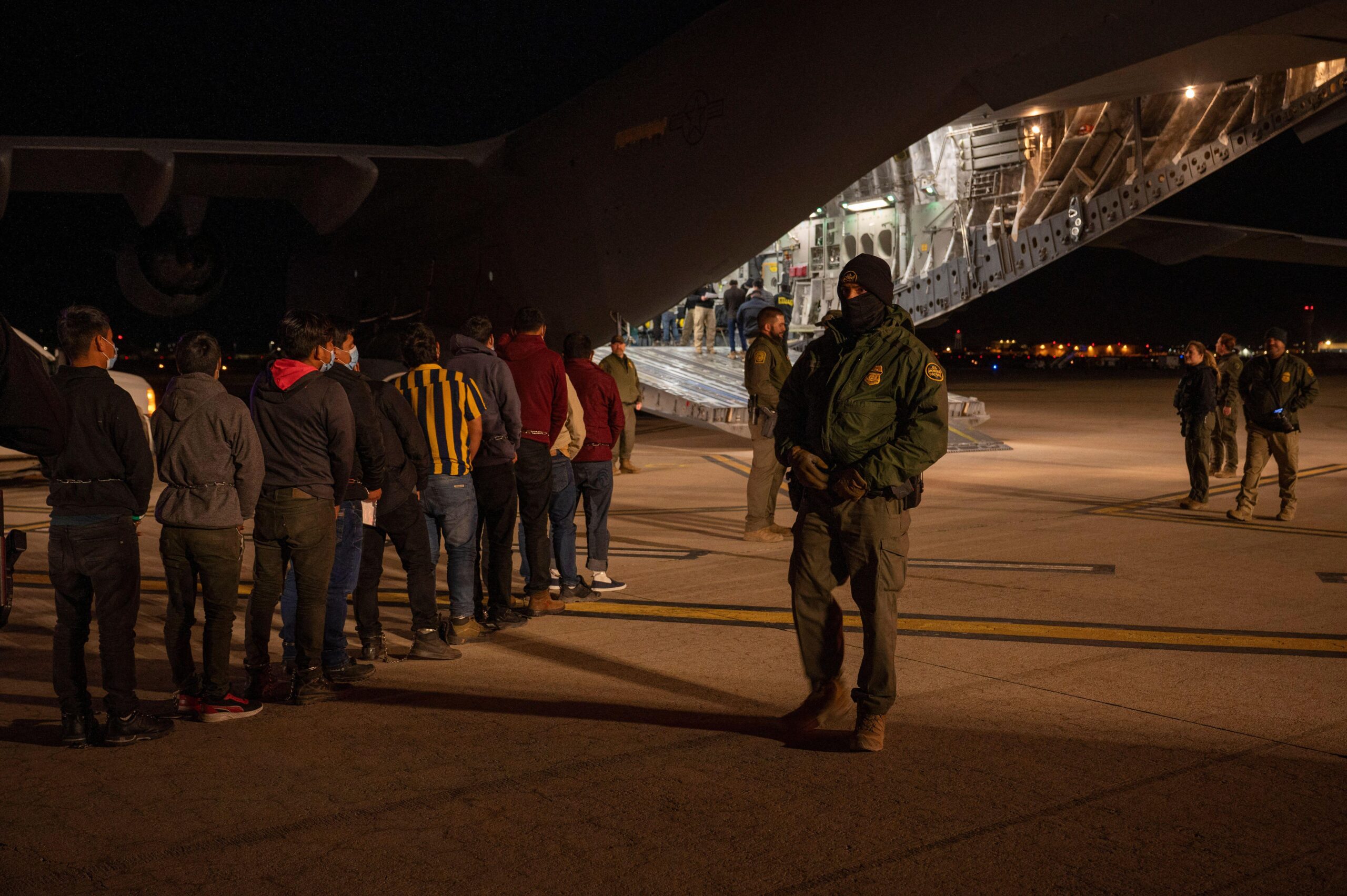
The Trump administration has deported more than 25,000 people to countries other than their own since January 2025, according to The Guardian. These deportations used secret agreements with 35 third countries including Mexico, Ghana, Cameroon, Eswatini and the Central African Republic. Many deportees had legal protection against returning home because they faced persecution, but officials bypassed those protections through third-country transfers.
A six-month investigation by 72 journalists from 26 countries documented over 100 eyewitness accounts. Migrants reported receiving little information about destinations, harsh restraints, and being left in dangerous unfamiliar places. The Guardian found that recipient countries received undisclosed benefits in exchange for accepting deportees, raising questions about the agreements' transparency and legality.
Bypassing Legal Protections Through Secret Deals
People with legal asylum status were caught in the deportation net. Rabbiatu Kuyateh, a Sierra Leonean nurse living in the US for 30 years, was detained in Baltimore and sent to Ghana. An Iranian woman called Nika had been granted legal protection and released by a judge, but the Department of Homeland Security rearrested her within two weeks and deported her to the Central African Republic.
The State Department warns American citizens against travel to the Central African Republic due to security risks. Nika now stays confined to a small bedroom, afraid to leave while fearing forced return to Iran where she faces persecution. The Guardian's investigation found 12 agreements involved African countries including Ghana, Cameroon and Eswatini.
Scale and Scope of Third-Country Transfers
At least 20,000 third-country deportations went to Mexico alone. Another 5,447 people were sent on flights to destinations worldwide by August 31, 2026, according to RSB Network. The scale of the operation dwarfs previous enforcement efforts and demonstrates a systematic approach to removing migrants outside traditional legal channels.
The investigation traced deportees across multiple continents. Journalists from 15 countries conducted 33 interviews with migrants deported under the policy. The Guardian documented firsthand accounts showing how little information deportees received about where they would be sent or what awaited them.
Journalists Face Risks Covering Deportation Program
The investigation itself created dangers for reporters. Mario Guevara, a Salvadoran journalist covering an ICE protest, was detained and deported while documenting the administration's enforcement actions. His case illustrates how press freedom is threatened alongside immigrant rights in the current enforcement climate.
Sentiment
Mostly NegativeNEGATIVENEUTRALPOSITIVE
Publishers
18
Articles
28
Reach
46
A
AnonymousAuthor


