Robotaxi Monitor Mandate Vetoed
Minneapolis Approves Driverless Car Monitor Rule Facing Likely Mayoral Veto
Anonymous
Key Points
1
Councilmember Robin Wonsley said the proposal was intended as a general worker-protection standard, not a rule targeting a particular company, and described it as a starting point.
2
Supporters of autonomous vehicles say robotaxis may improve safety by reducing crashes and could protect passengers from assault and discrimination.
3
Councilmember Elizabeth Shaffer argued the council should wait for a full research report, and said residents—including people with disabilities—want transportation choices.
4
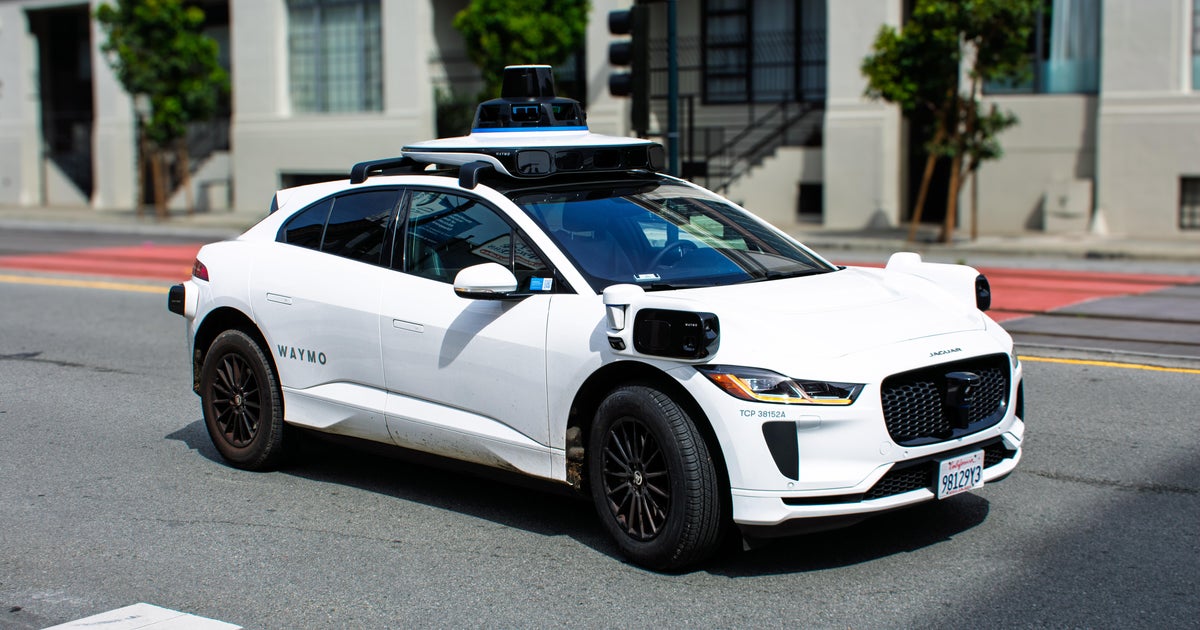
Waymo had been testing its driverless cars with a human monitor in the Twin Cities for several months before the council vote.
5
One councilmember backing the measure cited concern that autonomous vehicles had killed cats, saying, “I have a cat” and did not want it harmed by the vehicles.
Minneapolis approved a landmark 7-6 ordinance requiring driverless rideshare vehicles to have a licensed human monitor inside who can control the steering, brakes, and accelerator, Audacy reported. The measure would make Minneapolis the first U.S. city to mandate such oversight. However, Mayor Jacob Frey plans to veto it—and the council may lack the votes to override him.
The ordinance pits worker protection against innovation fears. Supporters worry robotaxis will displace rideshare drivers and endanger workers. Opponents say the rule is premature, limits transportation choices, and could discourage companies from testing autonomous vehicles in the city.
Council Backs Monitor Requirement to Protect Workers
Councilmember Robin Wonsley framed the measure as a broad worker-protection standard, not a rule targeting a specific company. Audacy reported she described it as a starting point for robotaxi oversight. The monitor would earn at least minimum wage and maintain full control over the vehicle's critical functions.
If enacted, the ordinance takes effect next year. CBS News noted that Mayor Frey has already vetoed the measure, and the council appears short of the nine votes needed to override him. The veto creates uncertainty about whether Minneapolis will actually become the regulatory pioneer some supporters envision.
Opponents Warn Rule Is Too Hasty and Restrictive
Councilmember Elizabeth Shaffer urged caution, arguing the council should wait for a full research report before acting. She noted that residents—including people with disabilities—want transportation choices that autonomous vehicles could provide. Critics worry the monitor requirement will stifle innovation and discourage companies from testing robotaxis.
Fox 9 reported that Waymo had been testing driverless cars with human monitors in the Twin Cities for months before the vote. Supporters of autonomous vehicles say robotaxis could improve safety by reducing crashes and protecting passengers from assault and discrimination.
An Unusual Concern: Protecting Pets From Robotaxis
One councilmember backing the measure cited an unexpected worry: autonomous vehicles harming cats. Fox 9 reported the councilmember said simply, "I have a cat" and did not want it endangered by the vehicles. The comment highlighted the emotional stakes in debates over new transportation technology.
Mayor's Veto Leaves Future of Robotaxi Rules Uncertain
Mayor Frey's veto blocks the ordinance before it can take effect. CBS News reported the mayor rejected the measure, and Fox 9 confirmed he opposes the Waymo regulation. Without override votes, Minneapolis will likely remain open to driverless vehicle testing without the monitor requirement.
Sentiment
Mostly NegativeNEGATIVENEUTRALPOSITIVE
Publishers
14
Articles
12
Reach
26
A
AnonymousAuthor


