Robotaxi Emergency Obstruction Penalties
California Enacts Fines for Robotaxi Operators Blocking Emergency Responders Starting 2028
Anonymous
Key Points
1
The law will require operators to employ US-based remote drivers who can take control of robotaxis and move them when they obstruct emergency crews.
2
During a December San Francisco power outage, about 1,500 Waymo vehicles reportedly stalled, and responders trying to reach the company were left on hold for as long as 53 minutes, according to Senator Dave Cortese's office.
3
San Francisco firefighters had filed at least 31 internal reports about robotaxi problems since April 2025, including vehicles blocking firehouse exits and impeding ambulances responding to emergency calls.
4
In Austin, a Waymo vehicle reportedly blocked an ambulance responding to a mass shooting that killed three people and injured 14; officers climbed into the empty vehicle and drove it out of the way.
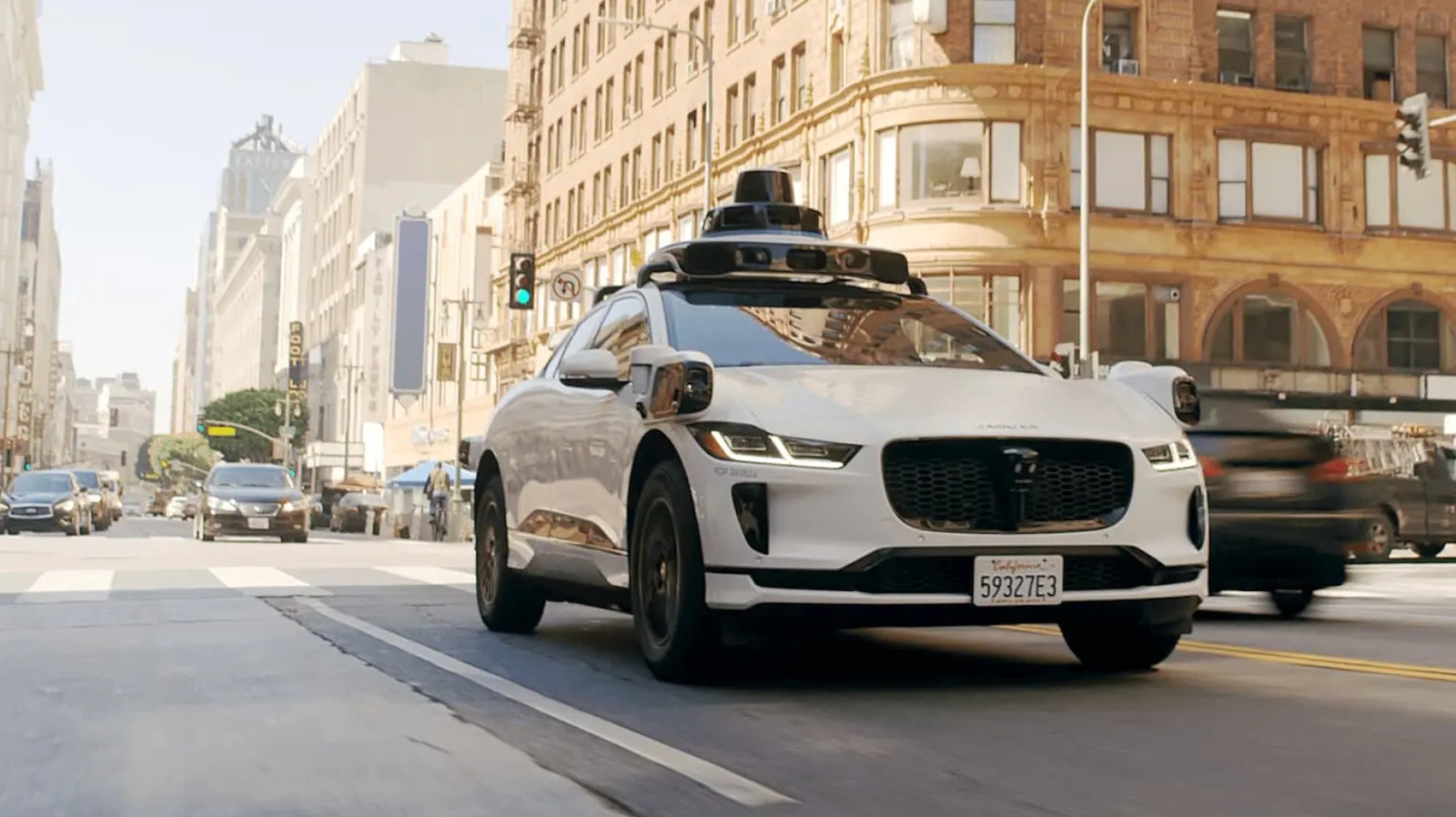
California Governor Gavin Newsom signed Senate Bill 1246 into law, requiring robotaxi operators to pay cities up to $10,000 per vehicle when autonomous cars block emergency responders for more than 30 minutes. Engadget reports the penalties take effect in July 2028. The law also mandates that companies like Waymo, Tesla, and Zoox employ US-based remote drivers to move stuck vehicles and improve emergency response communication.
The crackdown follows multiple incidents where robotaxis stalled or obstructed fire trucks and ambulances. Mashable notes that San Francisco firefighters filed at least 31 internal reports about robotaxi problems since April 2025, including vehicles blocking firehouse exits and impeding emergency calls. In one case, a Waymo vehicle blocked an ambulance responding to a mass shooting in Austin, forcing officers to climb into the empty car and drive it away.
San Francisco's 1,500 Stalled Vehicles Triggered the Response
In December, about 1,500 Waymo vehicles stalled during a San Francisco power outage. Engadget reports that responders trying to reach Waymo for help were placed on hold for as long as 53 minutes. The gridlock highlighted a critical gap: robotaxi companies lacked adequate emergency protocols to move vehicles quickly when crews needed access to roads.
Remote Drivers and Local Support Now Required
Under the new law, robotaxi operators must hire US-based remote drivers who can take control of stuck vehicles and move them out of the way. Gizmodo explains that companies also must establish local technical support and improve communication with emergency responders. The rules strengthen oversight and give first responders a clearer path to get vehicles moved during critical moments.
Major Robotaxi Companies Signal Compliance
Waymo and Zoox have indicated they will comply with the new standards. Mashable reports that Waymo welcomed amendments to the bill and said it is committed to improving its service. Both companies already operate in California and have experience with emergency situations, though the new law sets a clear deadline and financial consequences for failing to respond quickly.
Sentiment
Mostly NegativeNEGATIVENEUTRALPOSITIVE
Publishers
16
Articles
9
Reach
25
A
AnonymousAuthor


