US vs. ICC Power Struggle
United States Escalates Global Campaign to Counter International Criminal Court's Authority
Anonymous
Key Points
1
The ICC had previously opened an investigation into U.S. servicemen and intelligence officers and has refused to close those cases.
2
A State Department official stated the aim is 'to diplomatically isolate the International Criminal Court and ensure it cannot target Americans,' and noted senior officials will conduct outreach to persuade governments to withdraw from the ICC.
3
The U.S. push targets countries that host U.S. bases or rely on U.S. security assistance, pressing them to distance themselves from the ICC and to scrutinize those that accept ICC authority while continuing to receive U.S. aid.
4
The U.S. stance is underpinned by the ICC's complementarity principle—the court only exercises jurisdiction when a member state is unable or unwilling to prosecute—and the United States has never joined the ICC.
5
Contextual events cited include the ICC probe into Afghanistan opened in March 2020 and, in 2024, the ICC arrest warrant for Benjamin Netanyahu, which have influenced U.S. policy toward the ICC.
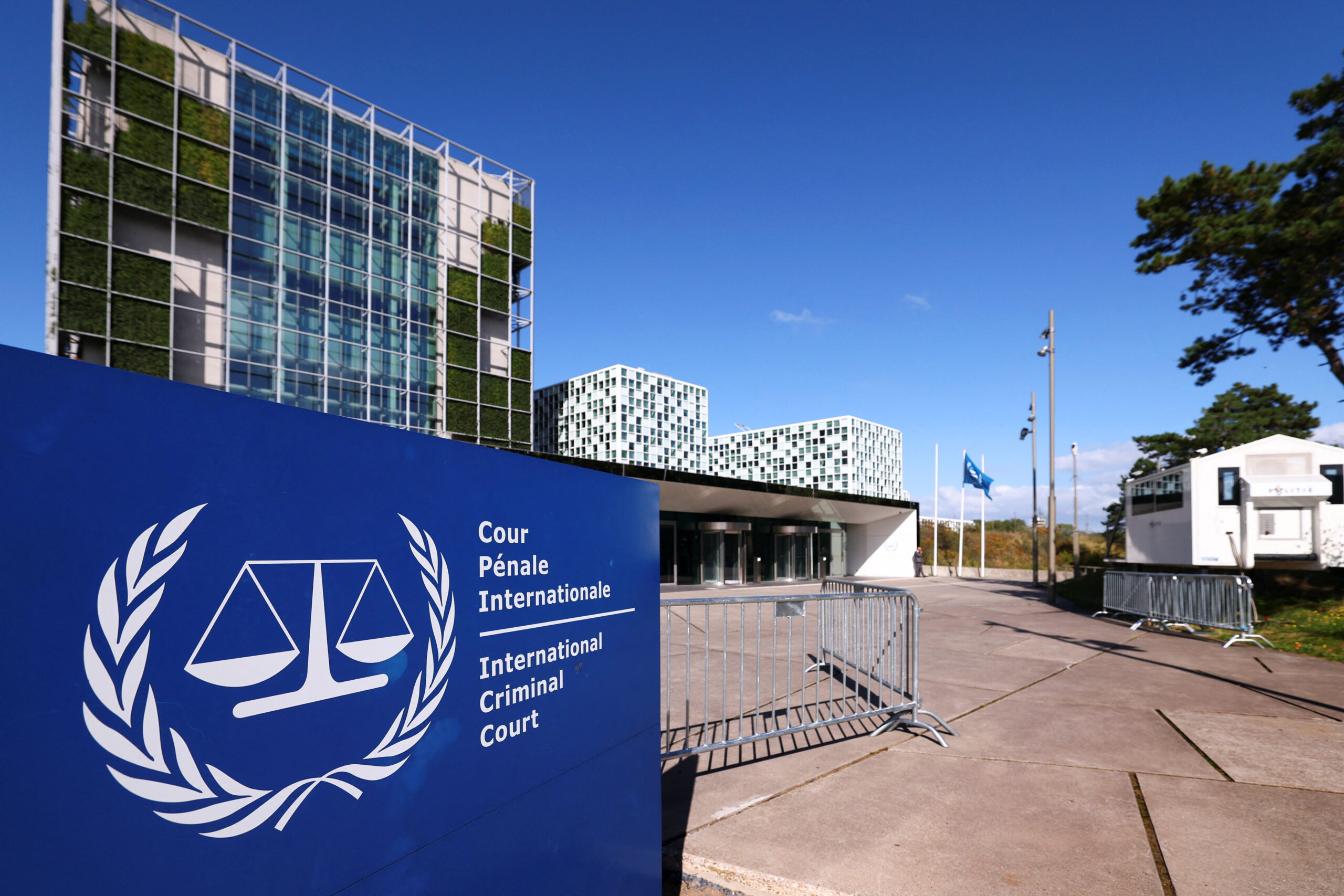
The Trump administration is launching a sweeping global campaign to neutralize the International Criminal Court, calling it a direct threat to American sovereignty. Secretary of State Marco Rubio is leading the effort, which could include visa bans, travel restrictions, and targeted sanctions against the court and those who support it, according to GV Wire and Journal Record.
A State Department official said the goal is 'to diplomatically isolate the International Criminal Court and ensure it cannot target Americans.' Senior U.S. officials plan to personally reach out to foreign governments, pressing them to withdraw from or distance themselves from the ICC, Geo.tv reported.
Rubio Warns ICC Threatens the American Way of Life
Rubio framed the ICC as an existential danger, warning it threatens 'the American way of life,' according to Jewish Insider. The campaign marks one of the most aggressive U.S. moves against the court in years. Tools on the table include visa revocations, increased sanctions, and direct diplomatic pressure on allied governments.
The U.S. push focuses especially on countries that host American military bases or rely on U.S. security aid. Washington wants those governments to think twice before accepting ICC authority. Officials also plan to scrutinize nations that take U.S. assistance while cooperating with the court, Journal Record reported.
Past ICC Probes Into U.S. Personnel Fueled This Fight
The ICC opened an investigation into U.S. servicemen and intelligence officers in March 2020, tied to alleged actions in Afghanistan. The court has refused to close those cases. That probe was a turning point for U.S. policy, hardening Washington's stance toward the court, according to GV Wire.
Then in 2024, the ICC issued an arrest warrant for Israeli Prime Minister Benjamin Netanyahu. That move further inflamed U.S. hostility toward the court. Rubio and other officials cited both events as proof that the ICC had overstepped its bounds, The Chronicle reported.
Why the U.S. Has Never Joined the ICC
The United States has never been a member of the ICC. American skepticism toward the court dates back decades, across both Republican and Democratic administrations. The ICC operates on a principle called complementarity — it only steps in when a member country is unable or unwilling to prosecute its own people.
Because the U.S. is not a member, it argues the court has no legal standing to pursue American officials. Washington has long said it can handle its own accountability processes. That argument underpins the current campaign, according to Geo.tv and GV Wire.
Critics Say the Move Undermines Global Accountability
Human rights advocates warn that isolating the ICC could gut the court's ability to hold war criminals accountable anywhere in the world. If major powers pressure smaller nations to exit the court, its reach shrinks significantly. Critics argue the campaign puts American political interests ahead of international justice.
Supporters of the campaign say it is a necessary step to protect U.S. troops and officials serving abroad. They argue no American should face prosecution by a court that the U.S. never agreed to join. The debate puts Washington on a collision course with European allies who strongly back the ICC, according to Jewish Insider.
Sentiment
Mostly NegativeNEGATIVENEUTRALPOSITIVE
Publishers
52
Articles
144
Reach
196
A
AnonymousAuthor


