FIFA Governance Reforms Demanded
FIFPRO Europe Demands Major Governance Reforms Following Abandoned FIFA Private Equity Plan
Anonymous
Key Points
1
The proposed Forward Enterprise plan reportedly aimed to raise $20 billion by selling a 20% stake in FIFA, with each of FIFA’s 211 member associations set to receive $20 million initially and as much as $66 million by 2038.
2
UEFA and its 55 member associations unanimously rejected transferring ownership interests in the World Cup and other FIFA competitions to private investors, warning that the tournament “is not for sale” and threatening a potential World Cup boycott.
3
The controversy has affected political support for Gianni Infantino: the French Football Federation withdrew its backing, saying his initiatives had harmed football’s image and unity, while Infantino is seeking another term as FIFA president in 2027.
4
FIFPRO’s study was produced with Player IQ and Football Benchmark and framed the issue as part of a broader dispute over the balance of power between FIFA and Europe, including court filings in which FIFA argued that UEFA’s opposition was motivated by Europe’s desire to preserve its dominance.
FIFPRO Europe is demanding major reforms to FIFA's decision-making process after the failed Forward Enterprise plan exposed serious governance gaps. The abandoned proposal would have sold a 20% stake in FIFA to private investors, raising an estimated $20 billion and giving each of FIFA's 211 member associations up to $66 million by 2038 — but faced fierce opposition and was withdrawn. FIFPRO now wants an independent review so that single officials cannot impose major changes without consultation.
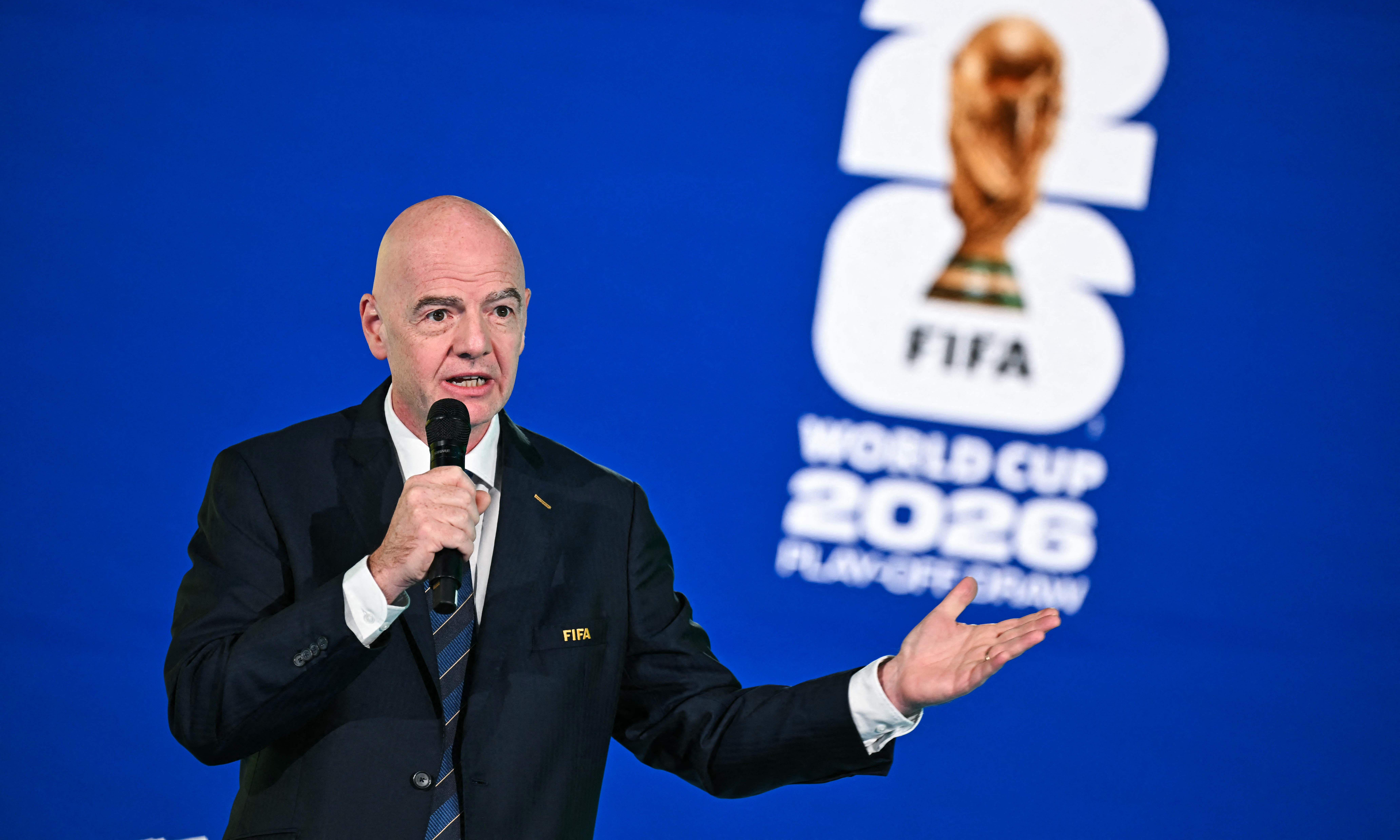
The controversy has weakened FIFA President Gianni Infantino's political standing. The French Football Federation pulled its support, citing damage to football's image and unity. UEFA and its 55 member associations unanimously rejected the plan, warning the World Cup "is not for sale" and threatening a potential boycott. FIFA has since agreed to review the proposal through its Council.
Why Europe Blocked Private Investment in World Cup
The Forward Enterprise plan aimed to treat major competitions — including the World Cup — as investable assets without adequate consultation from players, clubs, or confederations. UEFA and member associations rejected transferring ownership interests to private capital, fearing commercial control would override sporting interests. Hindustan Times reported that FIFA had argued Europe's opposition was purely about preserving dominance in the global game.
FIFPRO supports increased solidarity funding for smaller federations but demands future proposals be developed jointly through transparent governance. The union framed the dispute as a power struggle between FIFA and Europe, highlighting that European clubs supplied 94% of player value at the 2026 World Cup and employed all 20 individual award winners from the previous five tournaments.
Infantino Loses Political Support Ahead of 2027 Election
The failed investment plan has damaged FIFA President Gianni Infantino's standing among confederations and players' unions. France withdrew backing, saying his initiatives harmed football's reputation and unity. Infantino is seeking re-election in 2027, and this controversy could weaken his bid for another term as FIFA's leader.
Deccan Chronicle reported that FIFA has agreed to present a formal review of the shelved proposal to its Council. The Danish Football Association president Jesper Møller will oversee an independent examination of how the plan was developed and promoted without broader consultation.
FIFPRO Calls for Independent Review of FIFA Executive Power
FIFPRO's core demand is structural reform: an independent review of FIFA Council executive decision-making to prevent future unilateral proposals from single officials. The union worked with Player IQ and Football Benchmark to produce its study, presenting data showing Europe's outsized role in World Cup value creation. Without governance changes, similar schemes could resurface.
Al Jazeera confirmed that FIFA President Infantino's plan was formally withdrawn after widespread rejection. The review being conducted by the Council will examine whether consultation and transparency mechanisms need to be strengthened to rebuild trust among confederations, player unions, and global football stakeholders.
Sentiment
Mostly NegativeNEGATIVENEUTRALPOSITIVE
Publishers
16
Articles
26
Reach
42
A
AnonymousAuthor


