Black Men Political Debate
Inside a Philadelphia barbershop, Black men debate their political past and future
Anonymous
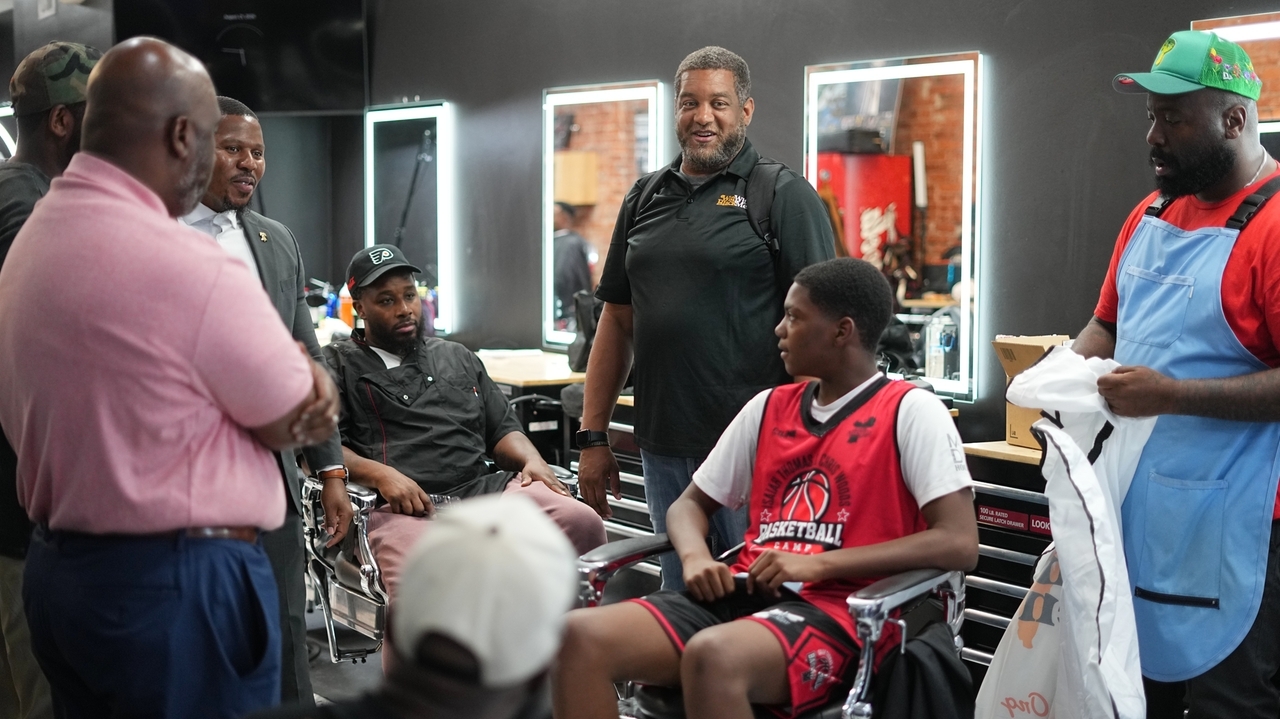
Political strategist Khalil Thompson gathered Black men at a Philadelphia barbershop to discuss a troubling shift: why they voted for a white Republican over a Black woman. Thompson's organization, Win With Black Men, hosted a two-hour debate featuring local politicians, union leaders, and high schoolers to understand the political move. AP News reported that Thompson believes even small changes in Black male voters could swing narrow elections like Pennsylvania's.
Philadelphia's Black population—40% of the city—makes it critical for Democratic victories in Pennsylvania. Greenwich Time noted the barbershop discussion carried significant political weight. If Democrats lose ground in this liberal stronghold, winning the state becomes much harder. The conversation focused on real community issues: role models for young people and food deserts that limit healthy eating options.
Why Black Men Shifted Away From Harris
After Democrat Kamala Harris lost to Donald Trump, Black male voters showed unexpected movement toward the Republican candidate. Newsday reported Thompson launched his investigation into this gap. The shift raises questions about messaging, trust, and what Democratic candidates are missing. Community members in the barbershop spoke openly about their doubts and disappointments with Democratic Party promises.
Thompson believes small percentage changes matter enormously in close races. Audacy reported that even 3-5% shifts could determine winners in swing states. Pennsylvania's razor-thin margins mean Philadelphia's Black voters hold outsized power. Understanding their concerns isn't optional—it's survival for Democratic campaigns seeking statewide victories.
Community Problems Discussed at the Barbershop
The barbershop conversation went beyond politics into daily survival. Participants discussed role models—or the lack of them—for Black youth. They also tackled food deserts, neighborhoods where fresh groceries are nearly impossible to find. These aren't abstract debates. They represent concrete struggles affecting families every single day.
Las Vegas Sun reported the group included lifelong residents and recent arrivals, bringing different perspectives. High schoolers participated too, offering a younger generation's view. Union leaders brought workplace concerns. Local politicians listened. The mix created honest conversation about what government actually delivers to Black communities versus what it promises.
Philadelphia's Role in Pennsylvania's Political Future
Philadelphia isn't just another city—it's a Democratic firewall. The city's 40% Black population votes heavily Democratic in most elections. When that support softens, statewide Democratic victories become impossible. KTAR noted Thompson's timing is urgent with upcoming elections approaching. Losing ground in Philadelphia means losing Pennsylvania.
The barbershop discussion matters because it signals what Democratic strategists must fix. Win With Black Men isn't criticizing Black voters. It's identifying where the party failed them. Better role models, accessible food, and jobs that pay living wages aren't radical demands. They're basic needs. Until Democrats address them seriously, Black men will keep shopping around for alternatives.
Sentiment
NeutralNEGATIVENEUTRALPOSITIVE
Publishers
13
Articles
12
Reach
13
A
AnonymousAuthor


