Southeastern Rail Bedbug Disruptions
Bedbug Infestations Disrupt Southeastern Rail Services and Prompt Driver Safety Concerns
Anonymous
Key Points
1
The first reported sighting was understood to have occurred on September 22, and the affected West Marina traincare depot is near Hastings and serves routes between London and Kent.
2
The train that operated with two carriages closed reportedly continued service to return to a suitable location for inspection and, if necessary, treatment.
3
Metro reported a broader rise in bedbug problems: cases were up 40% since 2025 in one London borough, while one pest controller said his bedbug callouts had doubled over the same period.
4
Bedbug expert Chow-Yang Lee said insecticides increasingly fail to kill the insects, calling this “probably the single most important reason” infestations have increased dramatically.
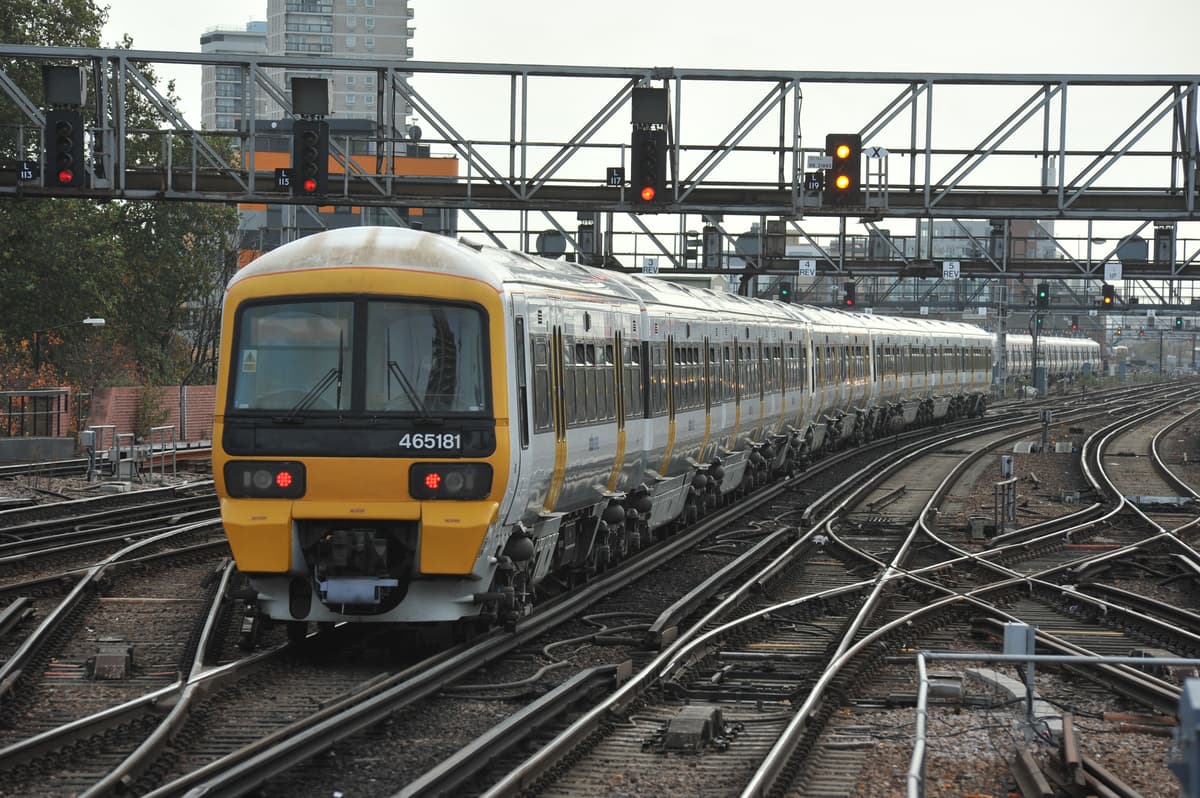
Bedbugs forced Southeastern rail to cancel multiple trains and close passenger carriages this week, with crews refusing to board without protective gear. The West Marina depot near Hastings, which serves routes between London and Kent, became the center of an infestation discovered on September 22 that affected driver cabs and staff bags on at least two trains Standard. One train continued operating with two carriages sealed off until it could reach a facility for inspection and treatment.
Southeastern insists the problem is contained to driver areas and two specific trains, with no bedbugs found in passenger seating or on its faster High Speed 1 services Metro. The RMT union confirmed it is working with the rail company to address worker safety concerns. The incident highlights a wider UK crisis: bedbug callouts have doubled in some areas, and cases jumped 40% in one London borough since 2025 Metro.
Southeastern's 'Bedbug Express' Disrupts Southeast England
At least three Southeastern services were cancelled after bedbugs crawled through driver cabs and contaminated staff belongings on trains linked to West Marina depot Standard. Drivers refused to work without protective suits. One train, dubbed the 'Bedbug Express,' operated with two of its carriages sealed shut before returning to base for professional cleaning and inspection Express.
The rail company says thorough checks found no insects in passenger areas or on High Speed 1 services. All affected trains are being deep-cleaned. Southeastern and the RMT union are coordinating a response, though the union flagged ongoing concerns about worker safety and hygiene standards Standard.
Bedbug Cases Surge Across London and Southeast England
The Southeastern outbreak reflects a nationwide spike in infestations. One London borough reported a 40% jump in bedbug cases since 2025, while pest control companies are drowning in work Metro. One controller said his bedbug callouts have doubled over the same period, suggesting the problem extends far beyond trains.
Social media reports claim bedbugs have appeared on London buses and the Underground, though these claims remain unverified Express. The wider crisis is fueling public anxiety about insects spreading across the capital's transport network. Commuters are increasingly vigilant about checking seats and bags before traveling.
Insecticide-Resistant Bedbugs Fuel Rapid Spread
Bedbug expert Chow-Yang Lee points to a troubling development: the insects are becoming immune to common insecticides. He calls this 'probably the single most important reason' infestations have exploded across the UK Express. Older pesticides no longer kill the bugs reliably, allowing populations to explode.
The resistance problem means traditional pest control methods are failing. Exterminators must rely on heat treatments and newer chemicals, which are more expensive and time-consuming. Until the UK develops better tools to fight resistant bedbugs, outbreaks on public transport will likely continue Metro.
Sentiment
Mostly NegativeNEGATIVENEUTRALPOSITIVE
Publishers
23
Articles
18
Reach
41
A
AnonymousAuthor


