Papal Visit to France
Pope Leo XIV visits France amid national debate over assisted dying legislation.
Anonymous
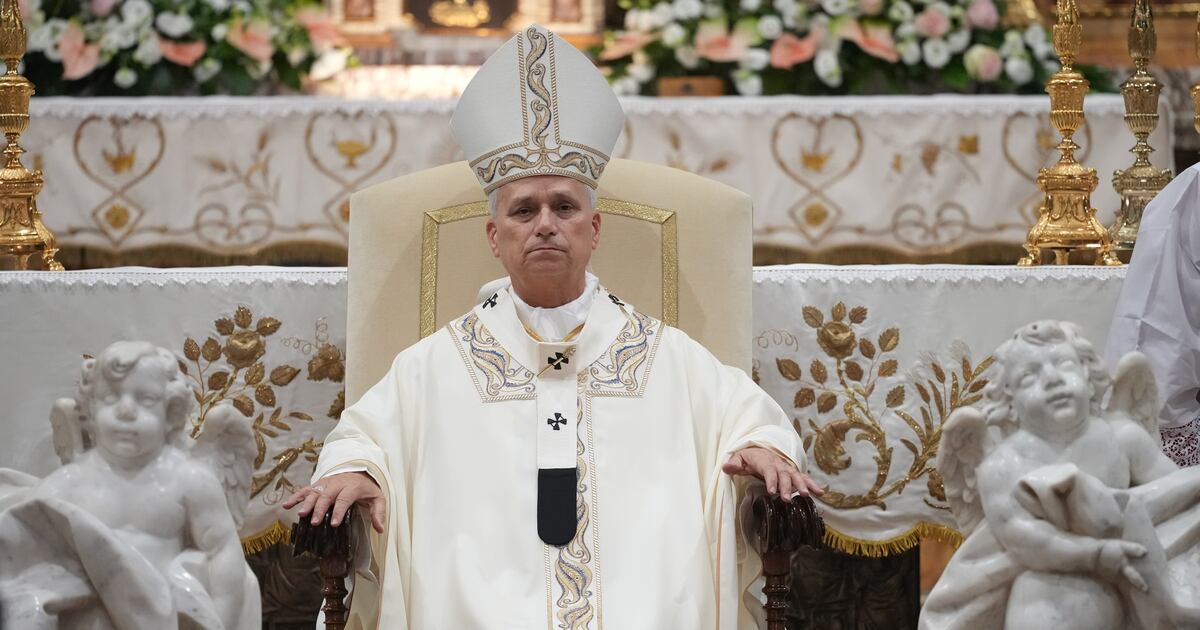
Pope Leo XIV’s first official visit to France, beginning September 25, will include meetings with Emmanuel Macron and other political and civic leaders, as well as events in Paris, Lourdes and Metz. Protecting human life is expected to be a central theme, particularly as France has constitutionally protected abortion and recently approved legislation allowing assisted dying, positions at odds with Catholic teaching. The trip also places clerical sexual abuse and broader questions about the Church’s role in secular France on the agenda. Leo has declined some traditional state-visit honors, including the Legion of Honour and a state dinner, while reports that the Vatican rejected a private Notre-Dame meeting with Macron have prompted speculation about tensions over end-of-life policy; Macron’s office and French bishops characterize the matter as routine scheduling and protocol.
Key Points
1
The official motto of the visit, chosen with Pope Leo XIV’s approval by the French bishops, is “That the world may have life,” signaling that human dignity and the protection of life will frame the trip.
2
Catholic teaching distinguishes between ordinary care, such as hydration and nutrition that should generally be provided, and disproportionate or extraordinary treatment that may be withdrawn when it only prolongs a painful and precarious life.
3
Beyond his meeting at the Élysée Palace, Leo’s Paris program includes an address at UNESCO, vespers at Notre-Dame, a youth vigil at the Stade de France and Mass at Place de la Concorde.
4
The French bishops’ conference has emphasized that the visit is an apostolic journey rather than a state visit, meaning it is not governed by the same ceremonial rules and explains why some state honors were declined.
5
Macron’s office rejected claims that the Notre-Dame scheduling issue reflected a political snub, describing the controversy as “pointless,” while the French bishops praised the cooperation of the Élysée, state protocol officials, ministries and police authorities.
Sentiment
Mostly NegativeNEGATIVENEUTRALPOSITIVE
Publishers
6
Articles
61
Reach
67
Topics
A
AnonymousAuthor


