NYC K–8 AI Ban
New York City Bans Generative AI for K–8 Students in Major Policy Reversal
Anonymous
Key Points
1
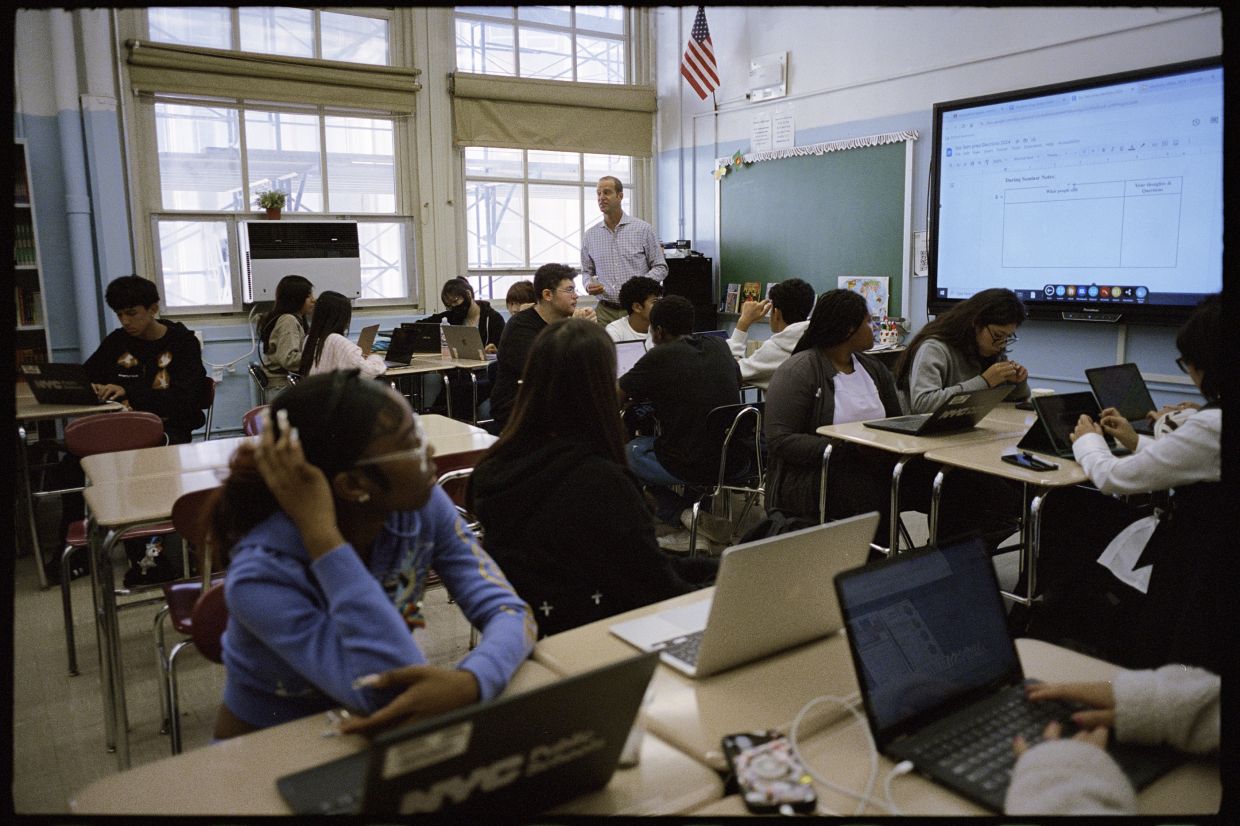
The moratorium was announced on September 2, 2026 at the Brooklyn STEAM Center and applies immediately for the 2026-27 school year, affecting roughly 600,000 students in 2-K through 8th grade (about two-thirds of NYC public school enrollment).
2
City officials will discontinue or disable AI components in more than 38 previously approved programs, effectively halting use of about 40 educational AI tools in classrooms, including AI-powered tutors and companion chatbots.
3
High school students will face a moderated path with limited supervised access through five AI pilot programs (across up to five classes per high school) and will receive AI literacy classes twice a year.
4
The plan is paired with a new screen-time policy as part of a broader governance approach to technology use in schools.
5
NYC’s move is portrayed as the most expansive student-facing AI prohibition in American education and represents a shift from the city’s own 2023 shift from restriction to encouragement of AI use in schools.
New York City announced a sweeping one-year moratorium on student-facing AI for roughly 600,000 pupils in grades 2-K through 8, effective immediately for the 2026-27 school year The Hill. The ban reverses the city's 2023 decision to encourage classroom AI use and will disable AI features in 38 previously approved software programs. Mayor Zohran Mamdani said the move reflects a commitment to human connection, stating The Week that "children need their teachers and human connection in order to learn and in order to grow."
High school students will have limited, supervised access through five pilot programs and must take AI literacy classes twice yearly. Teachers can still use AI for lesson planning and grading. The policy also sets strict screen-time caps: zero minutes for pre-K through 2nd grade, 30 minutes daily for grades 3-5, and 45 minutes for grades 6-8 Democracy Now.
Why NYC Reversed Its AI-Friendly 2023 Stance
In spring 2023, the NYC Department of Education eased restrictions on AI tools like ChatGPT, actively encouraging classroom experimentation Latin Times. The reversal comes after intense grassroots pressure from parent groups and new concerns about AI's impact on early learning. The city found no evidence that early AI use benefits elementary or middle school students, prompting the shift toward caution.
The timing also reflects national momentum. New York Governor Kathy Hochul signed a statewide cellphone ban for schools in August 2025. The Los Angeles Unified School District implemented similar screen-time restrictions. Mayor Mamdani framed the ban as necessary because "just because technology is everywhere doesn't mean it belongs everywhere."
What Gets Disabled: 38 Programs and Companion Chatbots
The city will discontinue or disable AI components across 38 previously green-lit educational software programs, eliminating roughly 40 AI tools including AI-powered tutors and companion chatbots The Week. Teachers retain permission to use AI for lesson planning, grading, and administrative work. Students with disabilities or multilingual learners may continue using approved assistive AI tools under controlled circumstances.
Implementation begins September 10, 2026, just eight days after the announcement. The tight timeline has raised practical concerns about vendor compliance and enforcement mechanisms. The United Federation of Teachers backed screen-time limits but warned the policy "leaves many questions unanswered" regarding how vendors will isolate embedded AI in commercial educational software.
High School Students Get Pilots and Literacy Training
Rather than a complete ban, high schoolers will access five vetted AI pilot programs, limited to five classes per school. All students must attend twice-yearly AI literacy classes covering how to identify AI-generated content, understand algorithmic bias, and recognize AI's career impacts Democracy Now. This phased approach reflects the city's belief that older students can engage responsibly with AI under supervision.
Mixed Reactions From Teachers, Parents, and the Tech Industry
Supporters of the ban, including State Senator Robert Jackson, argue it protects critical thinking and peer collaboration. Jackson said: "We should never confuse a machine's ability to produce an answer with a child's ability to arrive at one. There is something sacred in the struggle to understand." Teachers support guardrails but seek clarity on enforcement and vendor accountability Latin Times.
Tech industry critics argue the blanket ban risks widening the digital divide and leaving NYC public school students behind peers who receive early AI training elsewhere. Meanwhile, the city is forming a Technology in Schools Coalition of parents, teachers, and experts to monitor impacts and recommend policy changes before the 2027-28 school year.
Sentiment
Mostly NegativeNEGATIVENEUTRALPOSITIVE
Publishers
89
Articles
542
Reach
631
A
AnonymousAuthor


