Record Agricultural Fuel Costs
Record Rail Fuel Surcharges And High Diesel Prices Threaten U.S. Grain Farmers
Anonymous
Key Points
1
Missouri farmer Jason Kurtz said his combine consumes about 200 gallons of diesel per day and that he expected to operate it for 30 days, in addition to fueling tractors and trucks. He said the expense was cutting into an already tight bottom line.
2
Andrew King of the Owner-Operator Independent Drivers Association said trucking was emerging from a freight recession lasting more than 40 months, and warned that the new fuel shock could shorten the industry’s anticipated recovery. He also said many drivers lack fuel surcharges sufficient to offset the added expense.
3
The rail surcharge system is tied to the U.S. On-Highway Diesel Fuel Index, meaning surcharges rise after fuel prices pass specified thresholds. While the mechanism shields rail carriers from abrupt energy-cost changes, it transfers much of that volatility to agricultural shippers and farmers operating on margins of only a few cents per bushel.
4
The Surface Transportation Board reported that U.S. railroads collected $2.93 billion in fuel surcharges during the second quarter, more than 90% above the year-earlier level. Analysts expect elevated transportation costs to continue through the end of the year.
Record diesel prices above $6 a gallon are crushing U.S. farmers as harvest season hits. The Business Journal reports that fuel costs for combines, tractors, and trucks are squeezing already-thin profit margins. Rail fuel surcharges jumped to 48 cents per mile per car in September—up 153% from last year—and now eat up 11% of transportation costs for corn and soybeans, compared with just 5% a year ago.
Farmers face a perfect storm of expenses heading into fall. Elevated fertilizer, seed, and equipment costs combined with skyrocketing fuel prices threaten to wipe out profits. CTV News notes that trucking companies are warning the fuel shock could derail a fragile freight market recovery. Analysts expect transportation costs to stay high through year-end.
Diesel at $6-Plus Strains Farm Equipment Costs
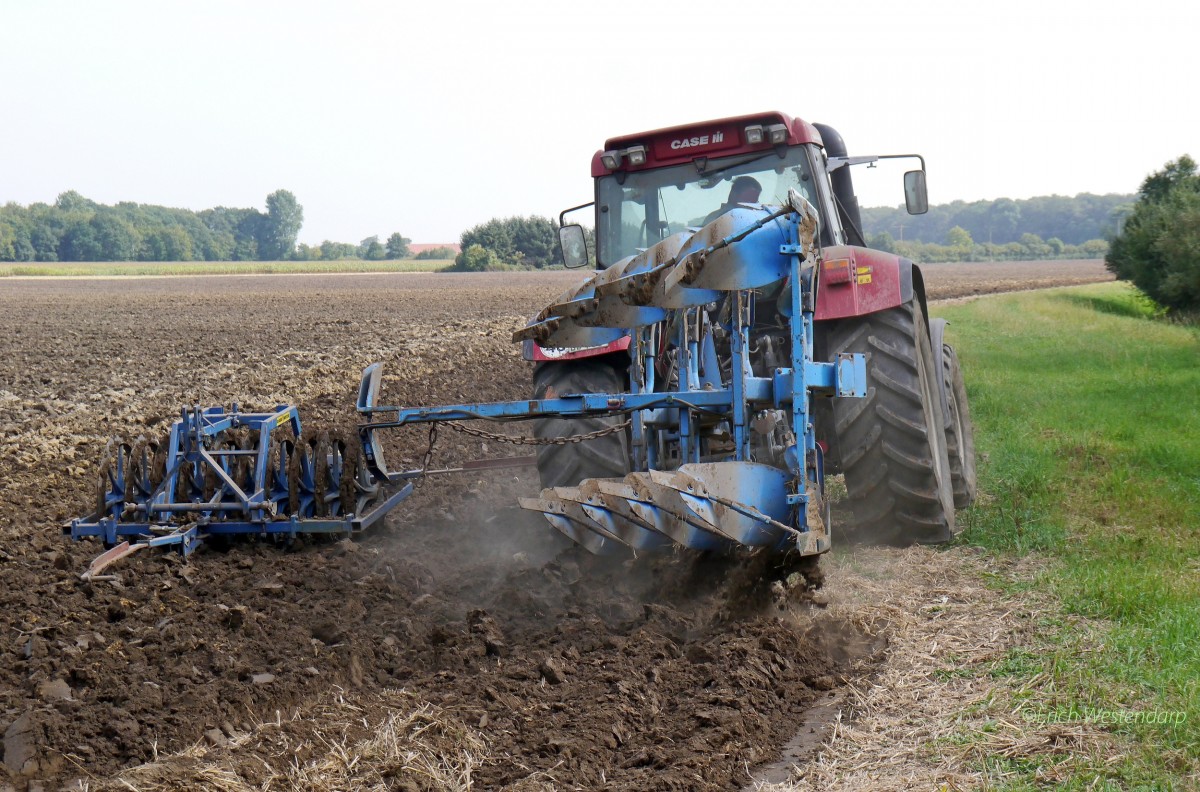
Diesel now costs $6.23 per gallon nationally, according to Archynetys, hitting levels not seen before. Missouri farmer Jason Kurtz runs his combine through 30 days of harvest, burning 200 gallons of diesel daily. Add fuel for tractors and trucks, and the bill becomes crushing. The Business Journal says Kurtz expects the fuel expense to cut deeply into an already tight bottom line.
The high prices are cascading through farm finances at harvest. Farmers must fuel combines to gather corn and soybeans from fields, then power trucks to haul crops to grain elevators. Cuba Headlines reports that diesel's all-time high threatens to drive up costs across groceries, goods, and services. For farmers operating on margins of only a few cents per bushel, fuel shocks can turn profits into losses.
Rail Surcharges Nearly Double Year-Over-Year
Rail companies have passed fuel pain to farmers through surcharges tied to diesel prices. The Surface Transportation Board found that U.S. railroads collected $2.93 billion in fuel surcharges in the second quarter—more than 90% above the prior year. Those surcharges now represent 11% of rail transportation costs for corn and soybeans, up from 5% last year.
A Kansas wheat farmer reported the damage firsthand. His grain basis—the discount below market price—dropped roughly 70 cents per bushel, versus a typical 40-cent discount. The rail surcharge system ties to the U.S. On-Highway Diesel Fuel Index. While the mechanism shields rail carriers from sudden energy-cost swings, it shifts most volatility directly onto farmers already squeezed by tight margins.
Trucking Industry Fears Fuel Shock Kills Recovery
Trucking companies are emerging from a freight recession lasting over 40 months. KFVS12 reports that record diesel prices now threaten to stall that recovery. Andrew King of the Owner-Operator Independent Drivers Association warned that the fuel shock could shorten the industry's anticipated turnaround. Many drivers lack fuel surcharges large enough to offset the added expense.
The timing could not be worse for a fragile freight market. CTV News notes that trucking companies face significant impact from elevated diesel costs. Analysts expect transportation expenses—for both trucking and rail—to remain elevated through the end of the year, keeping pressure on farmers, shippers, and the broader agricultural supply chain.
Sentiment
Mostly NegativeNEGATIVENEUTRALPOSITIVE
Publishers
29
Articles
121
Reach
150
Topics
A
AnonymousAuthor


