Musk Bribery Case Cleared
Wisconsin prosecutors decline to file bribery charges against Elon Musk over social media posts.
Anonymous
Key Points
1
The Wisconsin Elections Commission voted 5-1 to refer possible bribery violations to the Brown County district attorney, which led to appointing La Crosse County DA Tim Gruenke as a special prosecutor to review Musk's conduct in the 2025 Wisconsin Supreme Court race.
2
March 27, 2025 posts show a two-stage approach: an initial message promising two $1 million checks to attendees for voting, followed within about 12 hours by a clarification stating entrance was limited to petition signers and that the money would go to two people chosen as petition spokesmen.
3
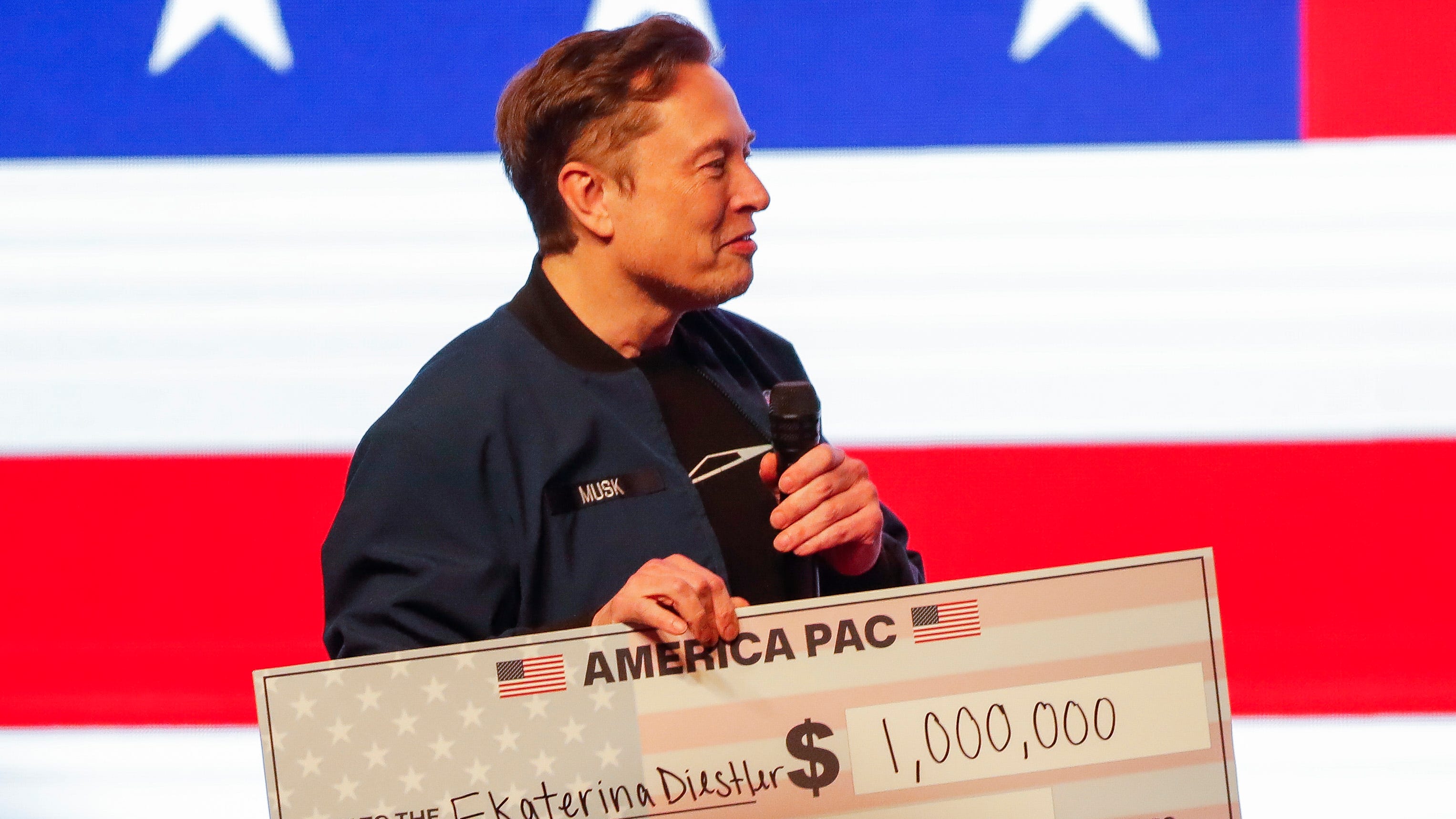
Multiple reports note Musk handed out two $1 million checks to attendees at a Green Bay event during the race, with later language reframing the payout as going to two petition spokespeople rather than to voters.
4
"Nobody was paid anything of value for voting or promising to vote" and the lack of actual payments, combined with the revised post and interpreted intent, led Gruenke to conclude a jury would likely not convict Musk even if the original post were viewed unfavorably.
Wisconsin prosecutors will not charge Elon Musk over alleged bribery tied to the 2025 state Supreme Court race, La Crosse County DA Tim Gruenke announced. The decision came after Wisconsin Elections Commission referred the matter, finding that no actual payments were made to voters and that a jury would likely not convict given the evidence and Musk's clarification of his posts.
Musk's March 27, 2025 social media posts initially appeared to promise $1 million payments to attendees for voting. Within 12 hours, he clarified that the money would go to petition spokespeople, not voters. Gruenke concluded the lack of actual payments to voters made prosecution unlikely to succeed.
The Two-Post Timeline That Changed Everything
On March 27, Musk posted on social media suggesting $1 million checks would go to attendees at a Green Bay event. The initial language raised immediate concerns from election watchdogs. WHBY reported that the posts mentioned money for "taking the time to vote" and later referenced "spokesmen for the petition."
Within about 12 hours, Musk posted a clarification stating the $1 million payments would go to two petition spokespeople chosen from attendees—not to voters themselves. This revised language became central to prosecutors' reasoning that no bribery occurred. Tim Gruenke noted the original post could be read as a bribe offer, but emphasized the lack of actual payments to voters.
Elections Commission Found Probable Cause First
The Wisconsin Elections Commission voted 5-1 to refer possible bribery violations to prosecutors. Brown County district attorney's office then appointed La Crosse County DA Tim Gruenke as a special prosecutor to investigate Musk's conduct in the race.
The commission determined there was probable cause of potential violations before referring the matter to local prosecutors. But Gruenke's review found the evidence insufficient for criminal charges. He concluded that "nobody was paid anything of value for voting or promising to vote," making conviction unlikely even if Musk's original post was viewed unfavorably.
Why Prosecutors Decided Not to Pursue Charges
La Crosse County DA Gruenke cited three key factors: the clarification post, no actual payments to voters, and the difficulty of proving intent to commit bribery. Even if a jury viewed the original post as an improper offer, prosecutors believed they could not prove the case beyond reasonable doubt.
The DA's office weighed whether the posts could be interpreted as payment for voting versus an incentive to attend an event and sign a petition. Without payments actually changing hands for voting, and with the clarification in place, prosecutors determined bribery charges would not hold up in court. The decision reflects how unclear language and last-minute clarifications can undermine election fraud prosecutions.
Sentiment
Mostly NegativeNEGATIVENEUTRALPOSITIVE
Publishers
11
Articles
21
Reach
32
A
AnonymousAuthor