Senate Inquiry Urges National Triple Zero Authority
Senate Inquiry Urges National Triple Zero Authority
Anonymous
Key Points
1
The September 2025 Optus failure prevented about 1,005 emergency calls from reaching Triple Zero across South Australia, Western Australia, the Northern Territory and far-west New South Wales, and was linked to two deaths.
2
The inquiry was expanded beyond the original Optus investigation after additional emergency-call failures involving other telecommunications providers and mobile devices further undermined public confidence in the system.
3
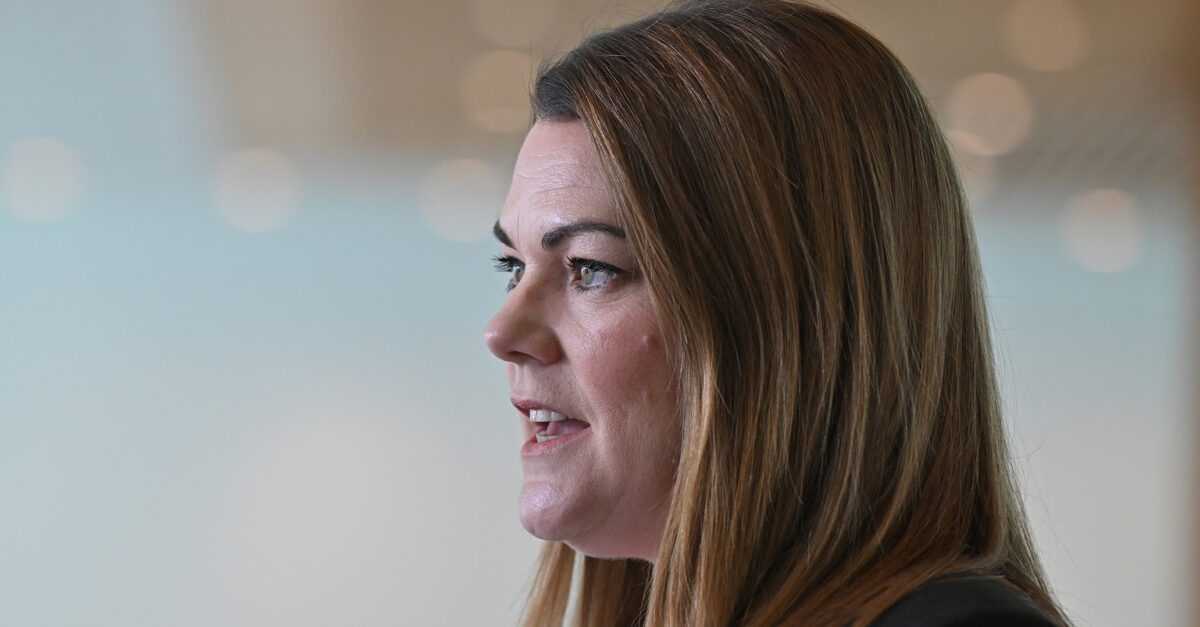
Committee chair Sarah Hanson-Young said the report showed that the telecommunications regulatory regime had fallen behind technological change, creating a situation in which many Australians could not rely on a phone call in an emergency.
4
The committee declared that the era of telecommunications self-regulation should end, warning Telstra, Optus and TPG that their repeated outages had let down customers and the Australian public.
5
The report received support from members of the Greens, Labor and Coalition, giving its 11 recommendations cross-party backing.
Australia's Senate has ordered a sweeping overhaul of emergency services after major telecommunications outages left hundreds unable to call Triple Zero. The Conversation reports the bipartisan inquiry recommends creating a new government agency to run Triple Zero instead of Telstra, following a September 2025 Optus failure that blocked roughly 1,005 emergency calls and was linked to two deaths.
The committee found that Australia's telecommunications rules have not kept pace with technology, leaving millions of Australians unable to reach help in emergencies. 16 News says the 11 recommendations include mandatory mobile roaming for voice calls, text-based emergency options, and automatic refunds for outage victims. The report received backing from Greens, Labor, and Coalition members.
A September Outage Triggered the Overhaul
In September 2025, Optus went down across four regions—South Australia, Western Australia, the Northern Territory, and far-west New South Wales. The failure prevented about 1,005 people from connecting to Triple Zero. The Conversation reports the outage was linked to two deaths, spurring lawmakers to investigate whether the system truly works.
After the Optus crisis, the Senate expanded its original investigation. Additional failures involving Telstra, TPG, and mobile devices surfaced, deepening public fear. Committee chair Sarah Hanson-Young said Australians could no longer rely on a phone call in an emergency under the current setup.
Telstra Must Hand Over Control to Government
The Senate wants a new national public agency—not Telstra—to manage Triple Zero. ACS explains the shift removes emergency calls from a private company and puts them under government oversight. This eliminates conflicts of interest where a telecom's profits might clash with emergency reliability.
The committee declared that telecom self-regulation is over. 16 News reports the inquiry warned Telstra, Optus, and TPG that repeated outages have failed customers and the public. Lawmakers want binding performance standards and automatic compensation when outages occur.
New Rules: Roaming, Texting, and Stronger Oversight
The Senate demands mandatory domestic roaming—forcing competitors to share networks so calls reach Triple Zero even when one carrier fails. The Conversation reports Australia also needs a dependable text option for emergencies, helping deaf and hard-of-hearing people access services faster.
The inquiry also calls for an independent review of ACMA, Australia's communications regulator. Telecoms.com notes lawmakers want ACMA to have more power and resources to oversee Triple Zero. Modern telecommunications laws must replace outdated rules written before smartphones and cloud outages existed.
Cross-Party Support Clears the Path Forward
The report earned backing from Greens, Labor, and Coalition members. This rare bipartisan agreement signals the changes are likely to happen. Politicians across the spectrum agree the current system puts Australian lives at risk.
Sentiment
Mostly NegativeNEGATIVENEUTRALPOSITIVE
Publishers
17
Articles
27
Reach
44
Topics
A
AnonymousAuthor


