Palm House restoration appeal
Kew Gardens launches a public appeal for the historic Palm House renovation.
Anonymous
Key Points
1
The renovation is planned to replace 16,500 panes with sealed glazing units, add bespoke silicone seals to reduce heat loss, and use fully electrified air- and water-source heat pumps. The project also aims to make the glasshouses fully accessible to visitors.
2
Kew has built temporary and permanent glasshouses to house plants while the Palm House is closed, but some trees were too tall to move and had to be felled.
3
The renovation plan includes rainwater-harvesting tanks, in addition to new glazing and renewable heating systems.
4
The Palm House is also associated with what the article describes as the world’s oldest pot plant, which has been at Kew since 1775.
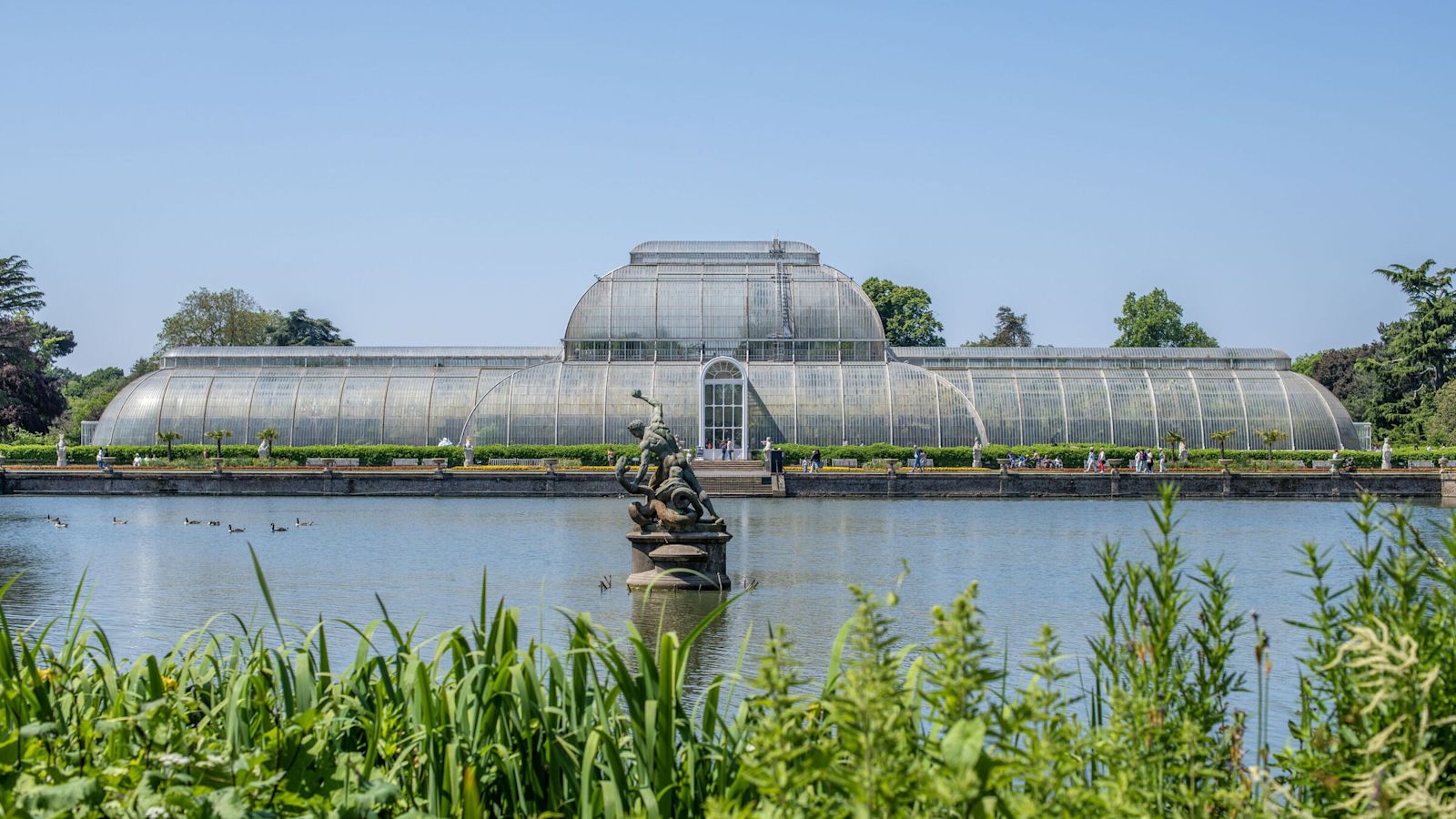
Kew Gardens has launched a £1 million public appeal to help restore its historic Palm House, a Grade I-listed Victorian glasshouse that has housed rare tropical plants since 1848. ITV reports that the £66 million renovation project is already half-funded through philanthropists and grants, but Kew is now asking the public to help close the remaining gap. The five-year closure beginning in 2027 will allow workers to replace 16,500 glass panes, install renewable heating systems, and create a net-zero glasshouse.
The Palm House contains some of the world's rarest plants, many extinct in the wild, and Civil Society notes that Kew is offering donors a chance to sponsor individual glass panes or specific plants. Donations up to £300,000 will be matched, making this a critical moment for one of Britain's most iconic buildings.
A 175-Year-Old Glasshouse Facing Major Repairs
The Palm House opened in 1848 and has become one of Kew's most recognizable structures. Richmond and Twickenham Times states the Victorian glasshouse now requires urgent restoration to preserve its tropical collection and continue supporting plant conservation research. The building's original materials have deteriorated over nearly two centuries of use.
Replacing Glass and Switching to Renewable Heat
The renovation will replace all 16,500 glass panes with sealed glazing units and add silicone seals to reduce heat loss. Blooloop reports that workers will install electric air- and water-source heat pumps to eliminate fossil fuel dependence. The project also includes rainwater-harvesting tanks and improved accessibility for all visitors.
Finding New Homes for Thousands of Tropical Plants
Kew has built temporary and permanent glasshouses to house plants during the closure. Kingston Nub News explains that some trees were too tall to move and had to be felled. The tropical collection includes specimens extinct in the wild, making their safe relocation critical to global plant conservation efforts.
How Public Donations Will Make a Difference
The £1 million public appeal aims to raise the final half of the £66 million budget. Donors can sponsor a single glass pane or adopt a plant in the collection. Civil Society confirms that Kew will match all donations up to £300,000, effectively doubling the impact of early contributions and accelerating the campaign toward its goal.
Sentiment
Mostly PositiveNEGATIVENEUTRALPOSITIVE
Publishers
18
Articles
20
Reach
38
A
AnonymousAuthor


