Viral RNA And Parkinson's
New study suggests viral RNA promotes formation of Parkinson-linked protein clumps.
Anonymous
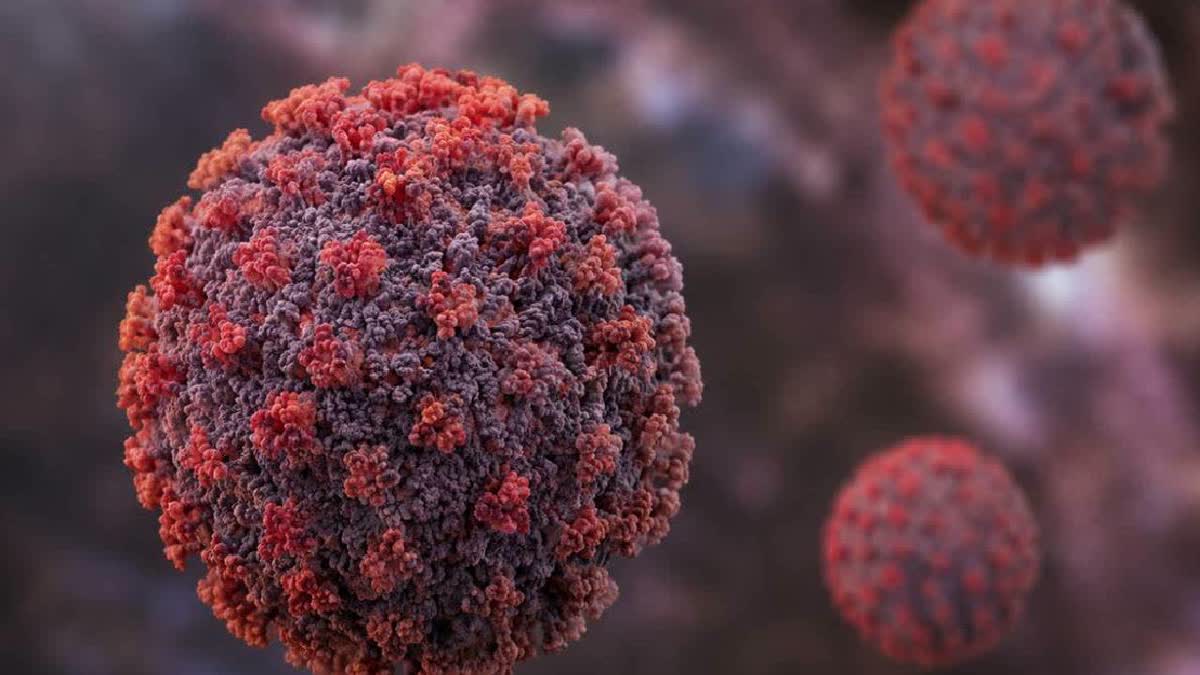
A study from the CSIR-Centre for Cellular and Molecular Biology in Hyderabad, published in Cell Reports, describes a possible molecular link between RNA viruses such as influenza and SARS-CoV-2 and alpha-synuclein, a protein associated with Parkinson’s disease. Researchers found that folded viral RNA structures called G-quadruplexes can interact with alpha-synuclein and promote the formation of amyloid clumps, which can disrupt nerve-cell function. The team also identified a cellular defense protein, DDX39A, that moves into the cell’s cytoplasm during infection and can unwind the viral RNA structures, hindering viral replication and slowing amyloid formation. The researchers cautioned that the findings do not show that viral infections cause Parkinson’s disease, though repeated exposure could affect the balance of cellular processes; further research is underway.
Key Points
1
The study builds on earlier research that had already associated influenza and COVID-19 with elevated risks of neurodegenerative diseases; the CCMB work investigates a possible molecular mechanism behind those links rather than establishing a clinical causal relationship.
2
In an interview reported by ETV Bharat, study leader Swasti Raychaudhuri said the risk could increase significantly with repeated infections, while also noting that cells have protective mechanisms and outcomes depend on the biochemical circumstances.
3
Raychaudhuri described the process as a balance between competing cellular reactions: conditions can favor viral defense or prevention of amyloid formation, and in some infected cells that balance may shift toward faster amyloid formation.
Sentiment
Mostly NegativeNEGATIVENEUTRALPOSITIVE
Publishers
9
Articles
2
Reach
11
Topics
A
AnonymousAuthor


