Seamless Farm Automation Integration
Agricultural Robots Prove Most Valuable When Integrating Into Existing Farm Workflows
Anonymous
Key Points
1
The article identifies RTK positioning, obstacle detection and connectivity with smart management systems as examples of technologies that may support agricultural automation, while stressing that technology alone does not determine a machine’s practical value.
2
Farmers’ existing operations include established fields, orchards, routes, schedules and equipment, so automation should integrate with these arrangements rather than require a complete redesign of farm procedures.
3
Beyond navigation and steering, an agricultural robot must be able to perform the actual farm task and avoid creating an additional layer of complicated work for operators.
4
The article frames automation’s value partly in terms of what operators no longer have to do: if they must continuously monitor every movement and repeatedly adjust routes, much of the benefit of autonomous operation is lost.
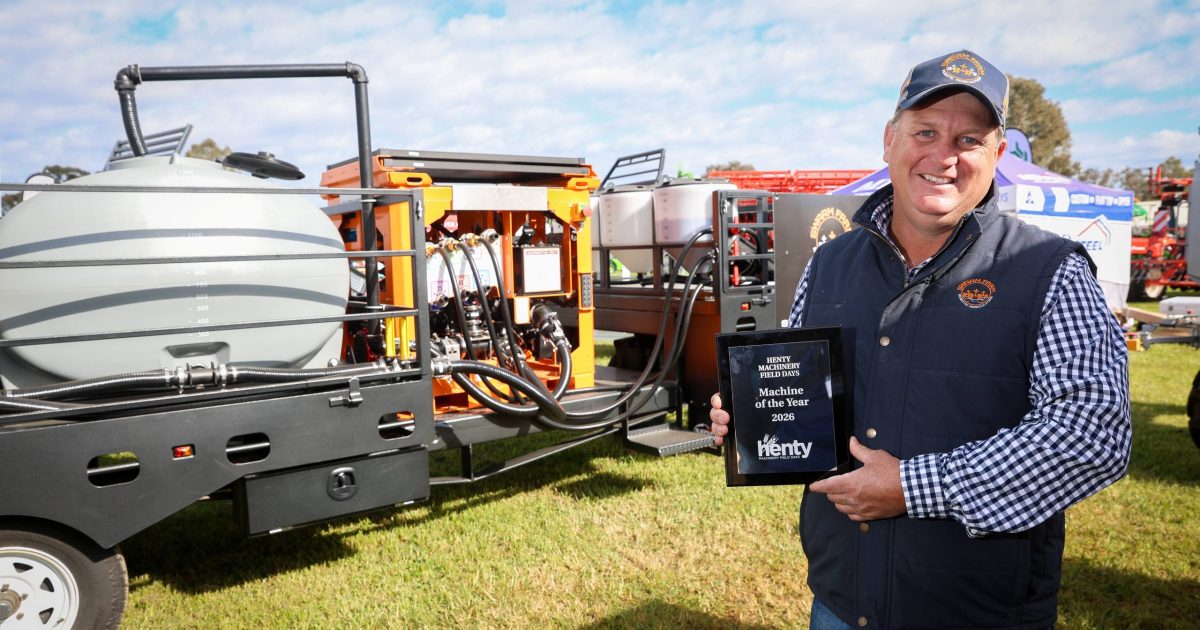
Agricultural robots are proving their worth on real farms—but only when they fit smoothly into existing operations instead of forcing farmers to overhaul everything. Future Farming reports that over 400 companies worldwide are now building crop robots, yet the most successful machines share a common trait: they work with a farm's established fields, schedules, and equipment rather than against them. SwarmFarm Robotics won the 2026 Henty Machine of the Year Award for its AutoFill system, which lets robots refill themselves and keep working without constant operator interruption—a breakthrough that removes one of the biggest barriers to practical farm automation.
The real value of farm robots lies not in flashy technology, but in reducing what operators must manually do. Smart navigation, obstacle detection, and equipment compatibility matter far less than whether a machine can handle daily tasks without creating extra work. When a robot demands constant monitoring or repeated route adjustments, farmers lose the benefit of automation entirely.
Why Flexibility Beats Cutting-Edge Technology
Modern farm robots pack impressive features: RTK positioning for precise navigation, obstacle detection systems, and smartphone connectivity to smart management platforms. Yet Future Farming's analysis of the 2026 crop robotics landscape shows that the actual value comes from much simpler qualities. A robot must integrate with the equipment farmers already own and the workflows they've already established. If a machine requires operators to redesign their entire operation, it sits unused no matter how advanced it is.
The LINKSY® 65HP tracked platform exemplifies this approach. Rather than asking farmers to reshape their farms around the robot, it's designed to move through existing fields and connect with the tools and schedules already in place. Flexibility—not processing power—determines whether a robot becomes part of a farm's daily life or becomes an expensive paperweight.
Why Robots That Self-Refill Win Over Fully Autonomous Systems
One of the largest operational bottlenecks for farm robots is downtime. Every time a machine runs out of fuel or material, someone must stop what they're doing to refill it. SwarmFarm Robotics solved this with its AutoFill system, which earned the 2026 Henty Machine of the Year Award by allowing robots to refill independently and return to work without interruption. This single feature removes a major friction point that makes automation impractical in the real world.
The win underscores a hard truth: perfect autonomy is less valuable than reliable, low-friction operation. A robot that refuels itself frees operators to focus on supervision rather than micromanagement. Farmers care less about a machine that works alone 100% of the time than one that works 80% of the time but doesn't demand constant babysitting.
The Hidden Cost of Constant Operator Monitoring
Even fully autonomous robots fail in the field if they require operators to hover nearby, adjusting routes and correcting paths constantly. The benefit of automation evaporates when an operator must stare at a screen and make manual corrections every few minutes. Real-world farming demands that operators can step back and trust the machine to handle repetitive steering and navigation without interruption.
This explains why the 2026 Crop Robotics Landscape matters: with over 400 robot companies competing for farm dollars, success goes to those that understand operator psychology. Farmers will adopt robots that reduce their workload. They'll reject machines that simply shift work from the steering wheel to a touchscreen. The machines winning Henty Awards and gaining real-world use are the ones that genuinely free operators to supervise rather than control.
Integration Matters More Than Innovation
The agricultural robotics boom is real, with hundreds of startups racing to automate everything from weeding to harvesting. Yet the startups that thrive are those that respect farmers' existing investments. A robot that works with conventional implements and existing field layouts faces far less resistance than one requiring custom infrastructure. Integration with farm management software, compatibility with standard equipment, and reliability in daily use trump headline-grabbing technological breakthroughs.
Farmers adopt tools that solve immediate problems without demanding major change. As more robots enter fields in 2026 and beyond, the winners will be those that understand this simple truth: the best farm robot isn't the smartest. It's the one that works predictably within the farm that already exists, day after day, without asking the operator to redesign their entire operation.
Sentiment
Mostly NegativeNEGATIVENEUTRALPOSITIVE
Publishers
13
Articles
12
Reach
25
Topics
A
AnonymousAuthor


