Coordinated Robot Systems
TechForce Robotics Aims to Link Autonomous Systems for Real-Time Coordination
Anonymous
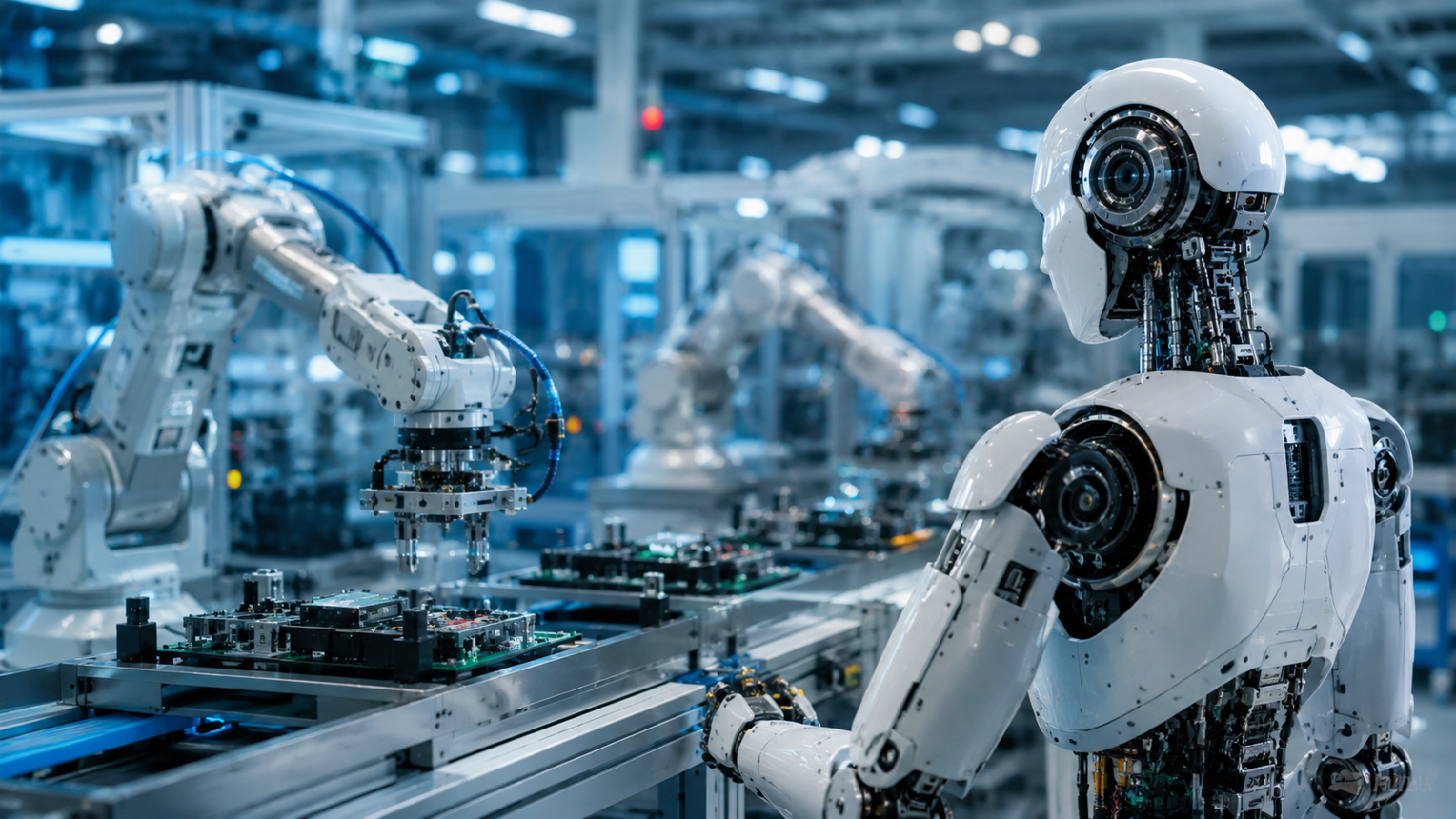
Robots are selling fast — but most still cannot talk to each other. Robots for transportation and logistics alone hit 102,900 units sold in 2024, a 14% jump from the year before, according to Ontario Farmer. The bigger problem is what happens after they arrive on the factory floor.
Companies like Nightfood Robotics and TechForce Robotics want to fix that. Their goal is to link robots, AI systems, and smart devices into one unified network — not just machines working side by side, but machines working together in real time, according to Toronto Sun.
Most Robots Still Cannot Communicate With Each Other
Right now, most robotic systems live inside closed, manufacturer-specific ecosystems. One robot brand cannot easily share data with another, even if they work in the same building. They coexist, but they do not cooperate. The Province reports this communication gap is one of the biggest obstacles holding back the next wave of industrial automation.
Think of it like phones that can only call other phones made by the same company. A warehouse might have a dozen robots from six different makers — and none of them can coordinate a single shared task. That forces human workers to manage the gaps by hand, slowing down the whole operation.
TechForce's Robotic Connective Network Aims to Bridge the Gap
TechForce Robotics is building what it calls a Robotic Connective Network. The idea is to let different robotic systems communicate directly — not just follow the same rulebook, but actively share information and coordinate tasks in real time. Daily Herald Tribune reports the company's stated goal is to move beyond coexistence toward true collaboration between machines.
This is more than a software update. It would require robots from competing manufacturers to exchange live data across a shared layer. That kind of open coordination has not existed at scale in industrial robotics before. If it works, a single facility could run as one synchronized system instead of a patchwork of isolated machines.
Nightfood Robotics Pushes Toward a Unified Smart Device Network
Nightfood Robotics is taking a broader approach. The company wants to connect not just robots, but AI systems and smart devices together in one unified framework, according to County Market. The vision is an entire facility where every connected device shares awareness of what the others are doing.
Stratford Beacon Herald notes the next major advance in robotics will come from the intelligence layer — the software and connectivity that lets many machines act as one. Raw unit sales are climbing, but the real competitive edge will go to companies that solve the coordination problem first.
A 14% Sales Jump Still Cannot Solve the Coordination Problem
The 14% rise in logistics robot sales shows strong demand. But buying more robots does not automatically make them work better together. More machines in a disconnected ecosystem can actually create more complexity, not less. Each new unit added to a closed system is another island of automation.
The International Federation of Robotics tracks unit sales, but industry watchers say the next benchmark will be interoperability — how well robots from different makers can share tasks. The Province reports the intelligence layer connecting these systems, not the robots themselves, is where the real race is now being run.
Sentiment
NeutralNEGATIVENEUTRALPOSITIVE
Publishers
6
Articles
6
Reach
6
A
AnonymousAuthor


