North Korea's Cyber Rejection
North Korea Denies US Cyber Threat Allegations, Citing Political Motivation and Regional Militarization
Anonymous
Key Points
1
Editorial framing in North Korea's media portrays the US-led Rim of the Pacific (RIMPAC) naval exercise as turning into a 'rehearsal for aggression,' with editors warning it amplifies regional security risks in the Asia-Pacific.
2
North Korea explicitly warned that the expansion of the US military command in Japan would increase the risk of conflict on the Korean Peninsula.
3
The Multilateral Sanctions Monitoring Team (MSMT) is cited by Pyongyang as a sanctions-monitoring mechanism and criticized as part of politically motivated pressure tactics.
4
The joint alert also described that North Korean IT workers could pose insider threats to companies and be involved in data theft, cryptocurrency theft and the theft of sensitive information, highlighting the security risks linked to such activities.
5
North Korea's denial of the cyber-threat allegations was reported in Tempo.co, which cited Moscow's RIA Novosti as the source for the coverage on the KCNA report.
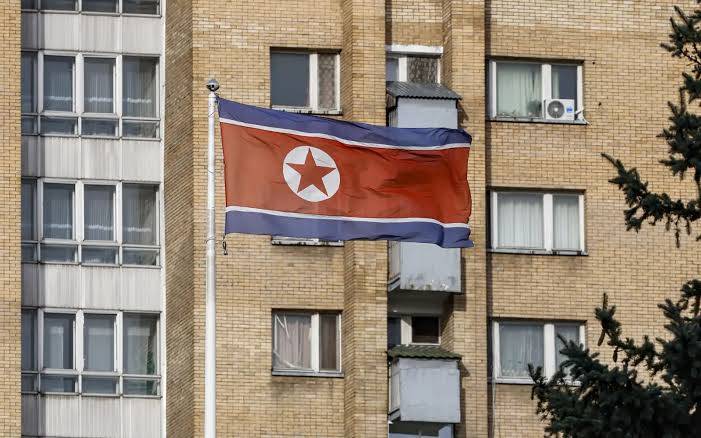
North Korea has flatly rejected a US-led cyber warning, calling the allegations a political smear campaign designed to justify pressure on Pyongyang. The warning, issued by the US and 10 Asian and European allies, accused North Korean IT workers of using fake identities to earn money for the country's nuclear and ballistic missile programs, according to Head Topics.
Pyongyang fired back, saying the US — which it called the world's largest cyber power — has no standing to lecture others. North Korea's foreign ministry called the claims "illogical," accusing Washington and its allies of monopolizing cyberspace while pointing fingers at sovereign states, Sputnik reported.
Fake Identities and Insider Threats Behind the Alert
The joint alert from the US and its allies described a specific threat: North Korean IT workers taking remote jobs at foreign companies using false identities. Once inside, they could steal sensitive data, siphon cryptocurrency, and act as insider threats, according to 24 News HD. Authorities also warned the workers were using AI tools to better hide who they really are.
The goal, Western governments said, was to funnel the wages and stolen funds directly into North Korea's weapons programs — specifically nuclear warheads and ballistic missiles. The alert was backed by 11 countries in total, making it one of the broadest joint cyber warnings against Pyongyang in recent years, BSS News reported.
Pyongyang Calls the US a Cyber Hypocrite
North Korea did not just deny the claims — it went on offense. State media argued that the US controls the core infrastructure of the internet and runs the world's largest cyber force. Calling the joint alert "illogical," Pyongyang said Washington was exploiting cyber threats as a pretext for sanctions, Sputnik reported.
North Korea also attacked the Multilateral Sanctions Monitoring Team, or MSMT, describing it as a tool of politically motivated pressure rather than a neutral watchdog. Pyongyang said the US and allies use bodies like the MSMT to legitimize what it called unjust coercion against sovereign nations, Press TV reported.
North Korea Warns US Military Buildup Raises War Risk
The cyber dispute is playing out against a broader military standoff. North Korea explicitly warned that expanding the US military command in Japan would raise the risk of conflict on the Korean Peninsula. State media editors also condemned the Rim of the Pacific naval exercise, known as RIMPAC, calling it a "rehearsal for aggression" that amplifies regional security risks, Head Topics reported.
The combination of cyber accusations, sanctions pressure, and military exercises, Pyongyang argued, forms a coordinated campaign against North Korea. Military commentators in state media said US-led joint drills with allies are destabilizing the Asia-Pacific, not protecting it, 24 News HD reported.
State Media Denial Echoed Through Russian and Indonesian Outlets
North Korea's denial traveled through a chain of state-aligned media. The original denial came from KCNA, North Korea's official news agency. Russian outlet RIA Novosti picked it up, and Indonesian news site Tempo.co then cited RIA Novosti as its source, according to the available coverage. The relay shows how Pyongyang's messaging spreads through sympathetic or neutral foreign outlets.
The pattern is consistent with how North Korea handles most allegations — a firm denial paired with a counter-accusation aimed at the US. Press TV noted that Pyongyang framed the entire episode as part of a larger US effort to tarnish North Korea's image and isolate it from the international community.
Sentiment
Mostly NegativeNEGATIVENEUTRALPOSITIVE
Publishers
12
Articles
79
Reach
91
A
AnonymousAuthor


