CIA Gold Plea Deal
Former CIA official nears plea agreement in forty million dollar gold case
Anonymous
Key Points
1
Rush allegedly served as a senior supervisor in the CIA’s Directorate of Science and Technology, the unit responsible for developing spycraft tools and other specialized technologies.
2
Investigators allege Rush fabricated extensive parts of his background, including falsely claiming to be a doctor, holding multiple degrees and possessing a pilot’s license; he has been held in custody after being deemed a flight risk.
3
The FBI recovered more than 600 pounds of gold during the search, in addition to the 303 bars cited in court filings.
4
The case has drawn scrutiny because of Rush’s alleged connection to Steve Feinberg, the Defense Department’s No. 2 official. The FBI reviewed video showing the two men at a Washington-area residence linked to the U.S. government and interviewed Feinberg, who has not been accused of wrongdoing and is not under investigation, according to the report.
5
The alleged requests for gold and foreign currency occurred between November 2025 and March 2026, according to an FBI affidavit.
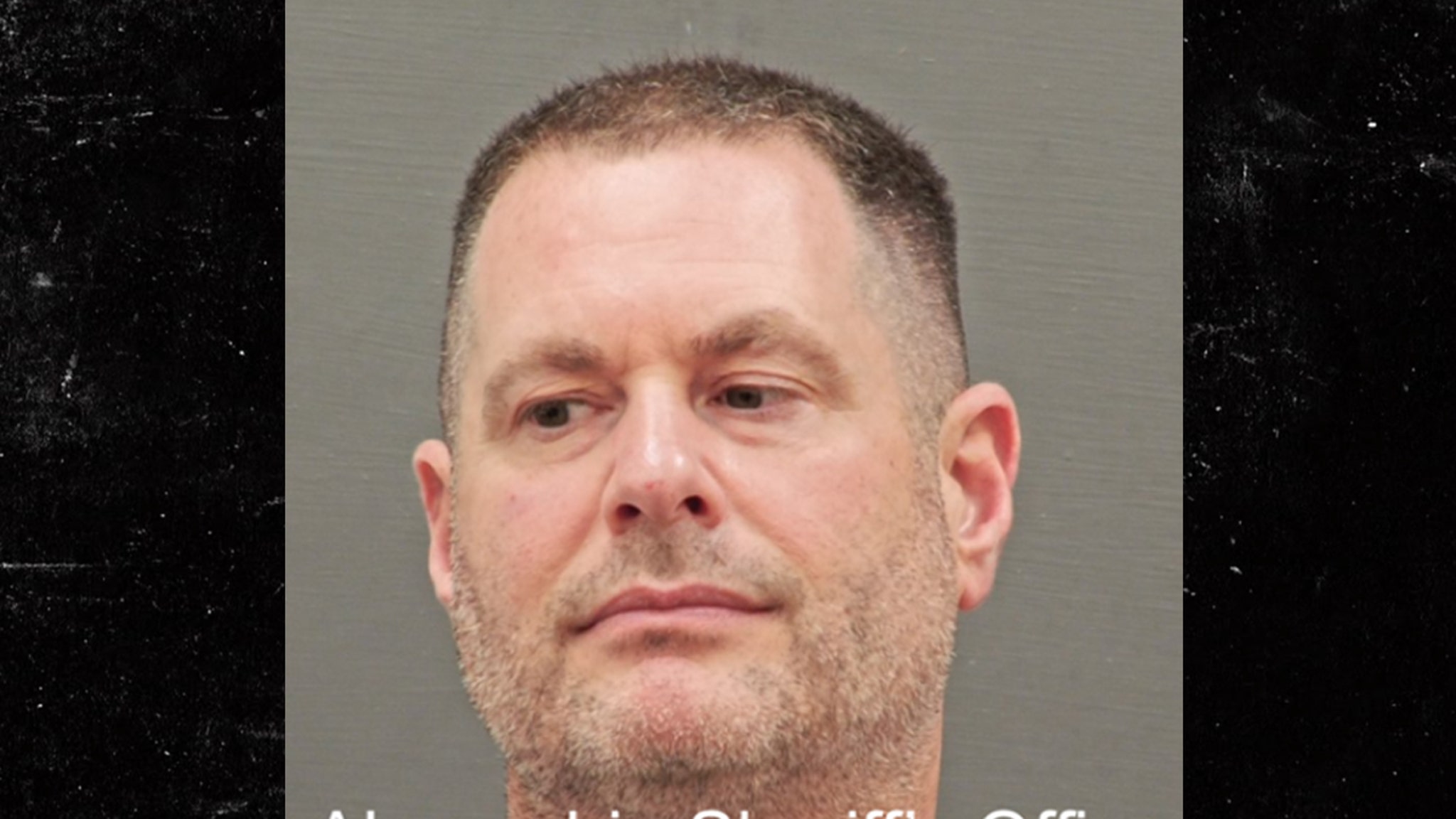
Former CIA officer David J. Rush is moving toward a plea deal in a stunning case involving more than $40 million in gold bars found at his Virginia home. NBC News reported that federal prosecutors and Rush have reached a tentative agreement before formal indictment, seeking to extend the deadline to October 8 while they finalize terms and handle classified-evidence questions.
Investigators say Rush used an alleged classified program to obtain gold and foreign currency, then falsified military-leave records to cover his tracks. The FBI also recovered $2 million in cash and 35 luxury watches during searches. Rush remains in custody after being deemed a flight risk.
Gold Bars Hidden in Basement Worth Tens of Millions
Authorities found 303 gold bars worth over $40 million stashed at Rush's home in May, according to The Guardian. The FBI's search uncovered more than 600 pounds of additional gold beyond the bars cited in court filings. GV Wire noted that the haul included luxury watches worth significant sums and roughly $2 million in cash.
The case has raised major questions about how a senior CIA official could accumulate such wealth without detection. JournalArta reported that Rush served as a supervisor in the CIA's Directorate of Science and Technology, the unit that develops spycraft tools. The alleged theft from a classified program suggests a dramatic failure in government asset controls.
Rush Allegedly Fabricated Extensive Parts of His Background
Investigators say Rush falsely claimed to be a doctor, lied about holding multiple degrees, and falsely said he had a pilot's license. These fabrications span decades and suggest a pattern of deception at the core of his career. His flight-risk status reflects prosecutors' concern that Rush could flee before trial.
The false credentials raise questions about how such a senior official passed vetting procedures. If Rush could fake degrees and a medical license to reach a supervisory role in the CIA's technology unit, it points to potential gaps in background checks and ongoing verification systems.
Connection to Pentagon Official Draws FBI Attention
The case has attracted scrutiny because of Rush's alleged ties to Steve Feinberg, the Defense Department's number-two official. NBC News reported that the FBI reviewed video of the two men at a Washington-area residence linked to the U.S. government and interviewed Feinberg. Feinberg has not been accused of wrongdoing and is not under investigation.
The Feinberg connection raises questions about access and oversight at the highest levels of national security. Even though no wrongdoing has been alleged against the Pentagon official, the FBI's interest signals concern about whether Rush's activities involved people in positions of power.
Plea Deal May Shield Classified Program Details From Public View
TMZ reported that Rush and prosecutors are trying to keep the case out of the public eye through the plea deal. A trial could force disclosure of sensitive sources and methods tied to the alleged classified program. Resolving the case before indictment limits public court filings and reduces exposure of secrets.
The alleged requests for gold and foreign currency occurred between November 2025 and March 2026. While the formal criminal complaint focuses on roughly $77,000 in false military-leave pay, the broader investigation reveals potential abuse of institutional trust and access by someone in one of the CIA's most sensitive technology roles.
Sentiment
Mostly NegativeNEGATIVENEUTRALPOSITIVE
Publishers
14
Articles
15
Reach
29
Topics
A
AnonymousAuthor


