Ganeshotsav Spans Mumbai, Bhopal, Preserves Historic Traditions
Ganeshotsav Spans Mumbai, Bhopal, Preserves Historic Traditions
Anonymous
Key Points
1
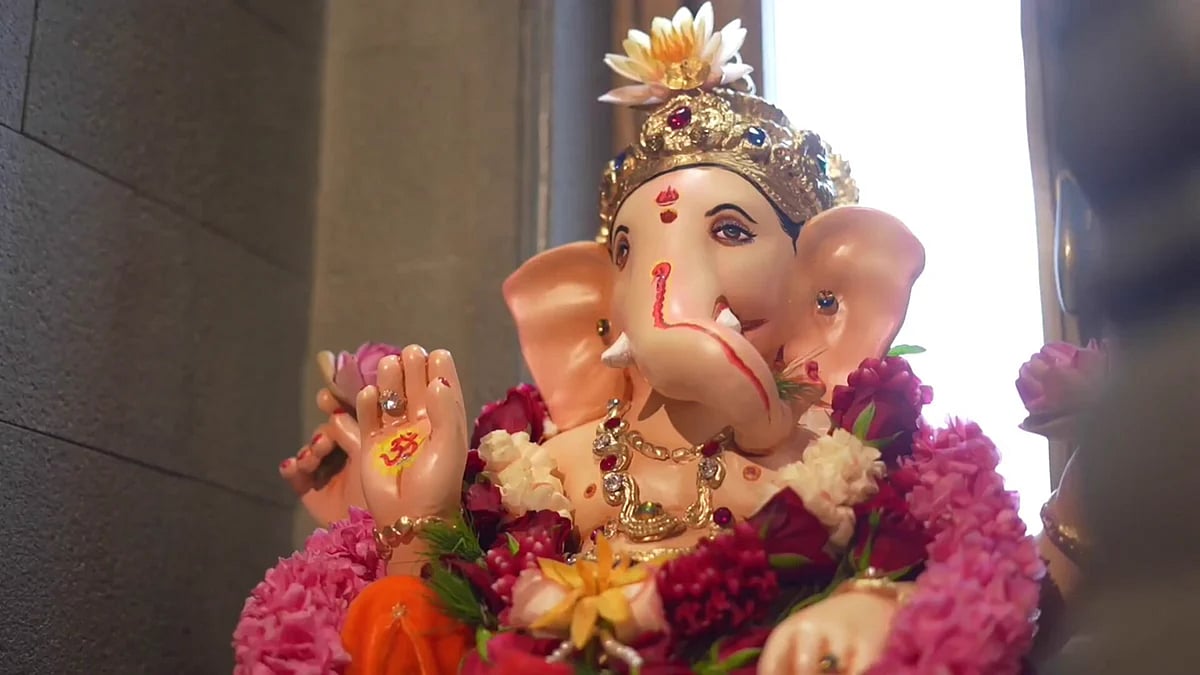
Chinchpoklicha Chintamani is celebrating its 107th year, with this year’s 24-foot idol and decor inspired by Tirupati Balaji. The mandal reports more than 10 lakh visitors over the 10-day festival, including devotees travelling from abroad.
2
The Girgaon Chowpatty immersion miniature was created by VFX artist and drone operator Mann Rele using 3D-printed figures and three months of detailed assembly. His family has maintained its Ganpati tradition since 1964 and has lived in the same century-old building for four generations.
3
The three Girgaon mandals marking their centenary were founded in 1927 by community workers from the Kudal, Malvan and Vengurla area, during a period when unemployed young migrants from the Konkan region were arriving in Mumbai. Their celebrations served as institutions through which migrants built a collective presence in the city.
4
Keshavji Naik Chawl preserves a two-foot idol modeled on the original 1893 image, and residents still carry it to and from the pandal in a traditional palkhi rather than by truck. The chawl itself is one of the few surviving examples of Mumbai’s older low-income residential communities, many of which have been replaced by high-rise buildings.
Ganeshotsav celebrations across Mumbai and Bhopal are blending centuries-old traditions with modern flair, drawing massive crowds and preserving heritage practices. In Mumbai, historic mandals like Keshavji Naik Chawl maintain two-foot idols and traditional processions, while newer spectacles like Chinchpoklicha Chintamani attract over 10 lakh visitors with 24-foot showpiece idols. News18 reported that 6,436 idols were immersed across Mumbai on the seventh day alone, showcasing the festival's massive scale.
Bhopal's 2026 pandals are pushing creative boundaries with themed decorations and varied idol designs, from child-form Ganesha to concert-style settings. Meanwhile, several Girgaon mandals are marking their centenary—100 years since 1927—reflecting how public Ganeshotsav became a lifeline for migrant communities building their place in colonial-era Mumbai.
A 107-Year Legacy of Scale and Spectacle
Chinchpoklicha Chintamani, one of Mumbai's largest public Ganeshotsav celebrations, is marking its 107th year with a 24-foot idol inspired by Tirupati Balaji's ornate temple designs. The mandal reports attracting more than 10 lakh visitors over the 10-day festival period. Devotees are traveling from abroad to witness the elaborate decorations and immersion ceremonies.
The mandal's scale reflects how Ganeshotsav has evolved from modest neighborhood traditions to major cultural events. Other historic Mumbai celebrations like GSB Ganpati and Lalbaug's mandals similarly draw hundreds of thousands of visitors, turning the festival into a citywide spectacle that mobilizes residents across economic and social boundaries.
Keshavji Naik Chawl Preserves 1893 Roots and Ritual
Keshavji Naik Chawl, widely regarded as the birthplace of Mumbai's public Ganeshotsav in 1893, remains a living museum of tradition. The chawl houses a two-foot idol modeled on the original 1893 design. Residents still carry it to and from the pandal in a traditional wooden palkhi—a hand-borne platform—rather than using trucks or modern vehicles.
The chawl itself is one of the few surviving low-income residential buildings from Mumbai's older neighborhoods. Most similar structures have been replaced by high-rise developments. This persistence makes Keshavji Naik a rare window into how working-class communities once lived and celebrated together.
Centenary Mandals Trace Mumbai's Migrant Story
Three Girgaon mandals are celebrating a centenary in 2027, having been founded in 1927 by community workers from Kudal, Malvan and Vengurla—coastal towns in the Konkan region. At that time, unemployed young migrants from these areas were arriving in Mumbai seeking work. Ganeshotsav became their institution, a shared festival that helped migrant communities build collective presence.
These mandals served functions beyond worship. They organized unemployed workers, created social networks and helped migrants feel rooted in an unfamiliar city. The festival's public displays and community events became tools for civic organization during the colonial era, turning Ganeshotsav into more than devotion—it became identity and solidarity.
VFX Artist Creates Miniature Immersion, Honors Four-Generation Tradition
VFX artist and drone operator Mann Rele created an intricate miniature of the Girgaon Chowpatty immersion ceremony using 3D-printed figures and three months of detailed assembly. The creation promotes environmental awareness by showing the ceremony in scaled form. His family has maintained a continuous Ganpati tradition since 1964.
Rele's family has lived in the same century-old building for four generations, embodying the kind of residential continuity that Ganeshotsav traditionally anchored. The miniature project merges old ritual with new technology, preserving tradition while addressing modern concerns about environmental impact during large-scale immersions.
Sentiment
Mostly PositiveNEGATIVENEUTRALPOSITIVE
Publishers
17
Articles
13
Reach
30
A
AnonymousAuthor


