European Flight Chaos
European Airports Face Hundreds of Cancellations Due to Strikes, Storms and Volcanic Ash
Anonymous
Key Points
1
The Italian strike also included local groundstaff actions at Milan Linate, Naples, Bologna and Bari, compounding the impact of the air traffic controllers’ walkout.
2
Italian law protects flights during peak periods: essential services should operate from 7–10 a.m. and 6–9 p.m. The article also notes that, although strikes outside an airline’s control do not require compensation, airlines still have a duty of care to provide food and water and arrange a hotel for passengers stranded overnight.
3
The Catalonia downpour was especially intense in Canaletes in Anoia, where up to 97 millimetres of rain fell, including 94 millimetres in three hours. At Barcelona, the report recorded delays on 38% of departing flights and 39% of arriving flights.
4
One Europe-wide disruption report counted 1,746 delays and 308 cancellations; Lufthansa had the most delays (156), while Wizz Air Malta had the most cancellations (44).
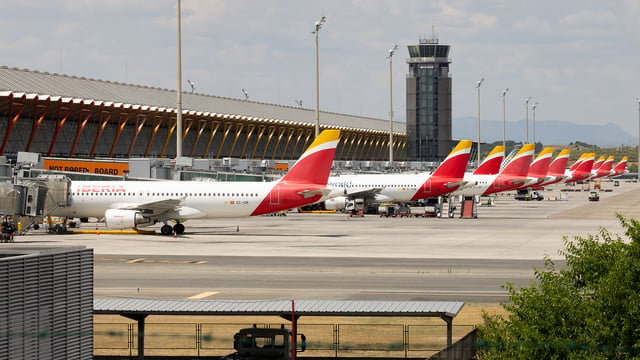
European airports suffered a day of chaos on Wednesday with 308 flight cancellations and 1,746 delays spanning 33 airports. Travel and Tour World reported that major hubs including Rome, Milan, Venice, and Naples faced severe disruptions. The widespread trouble stemmed from multiple sources: a four-hour strike by Italian air traffic controllers, intense rainstorms in Catalonia that hammered Barcelona, and volcanic ash from Mount Etna that temporarily shut Catania Airport.
Lufthansa absorbed the most delays with 156 affected flights, while Wizz Air Malta led in cancellations with 44 aircraft grounded according to Travel and Tour World. Passengers faced hours of uncertainty as airlines scrambled to rebook travelers and manage the cascading effects of strikes and weather.
Italian Air Traffic Controllers Strike Paralyzes 33 Airports
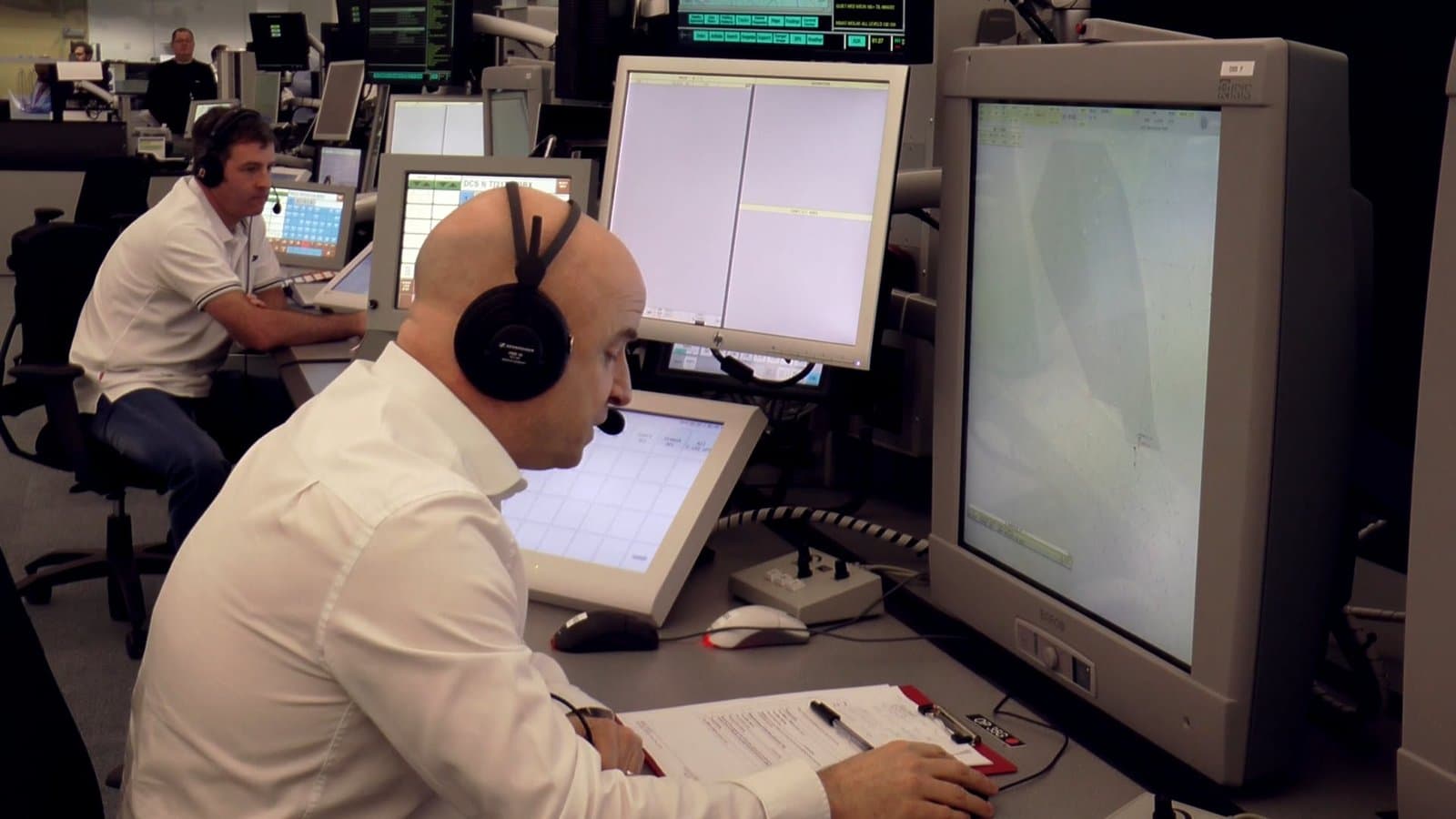
Italian air traffic controllers walked out for four hours, freezing operations across the country's busiest airports. Ground staff at Milan Linate, Naples, Bologna, and Bari added local strikes to the chaos, compounding delays for thousands of travelers. Italian labor law protects certain flights during peak hours—airlines must operate essential services from 7–10 a.m. and 6–9 p.m.—but the strike still crippled early morning and afternoon schedules.
Barcelona Battered by 97 Millimeters of Rain in Hours
Catalonia faced a deluge that left Barcelona airport reeling. Travel and Tour World reported that Canaletes in Anoia recorded 97 millimeters of rainfall, with 94 millimeters falling in just three hours. At Barcelona airport, delays hit 38% of departing flights and 39% of arrivals, making it one of Europe's hardest-hit hubs during the disruption window.
Volcanic Ash From Mount Etna Shuts Catania Temporarily
Mount Etna's eruption forced Catania Airport to shut its airspace temporarily as volcanic ash drifted across Sicily. Even after operations resumed, several flights remained cancelled, including a Jet2 service from Stansted. The ash cloud underscored how natural hazards can compound human-caused disruptions and leave carriers scrambling to reschedule passengers.
Airline Duty of Care and Passenger Rights During Strikes
While strikes outside an airline's control do not legally require compensation, carriers still bear a duty of care. Travel and Tour World noted that airlines must provide food and water to stranded passengers and arrange hotels for those forced to stay overnight. Passengers were advised to contact their carriers directly for rebooking options and current flight status, as conditions shifted hour by hour throughout the day.
Sentiment
Mostly NegativeNEGATIVENEUTRALPOSITIVE
Publishers
15
Articles
12
Reach
27
Topics
A
AnonymousAuthor