Asia Flight Disruptions Reported Across Major Hubs
Asia Flight Disruptions Reported Across Major Hubs
Anonymous
Key Points
1
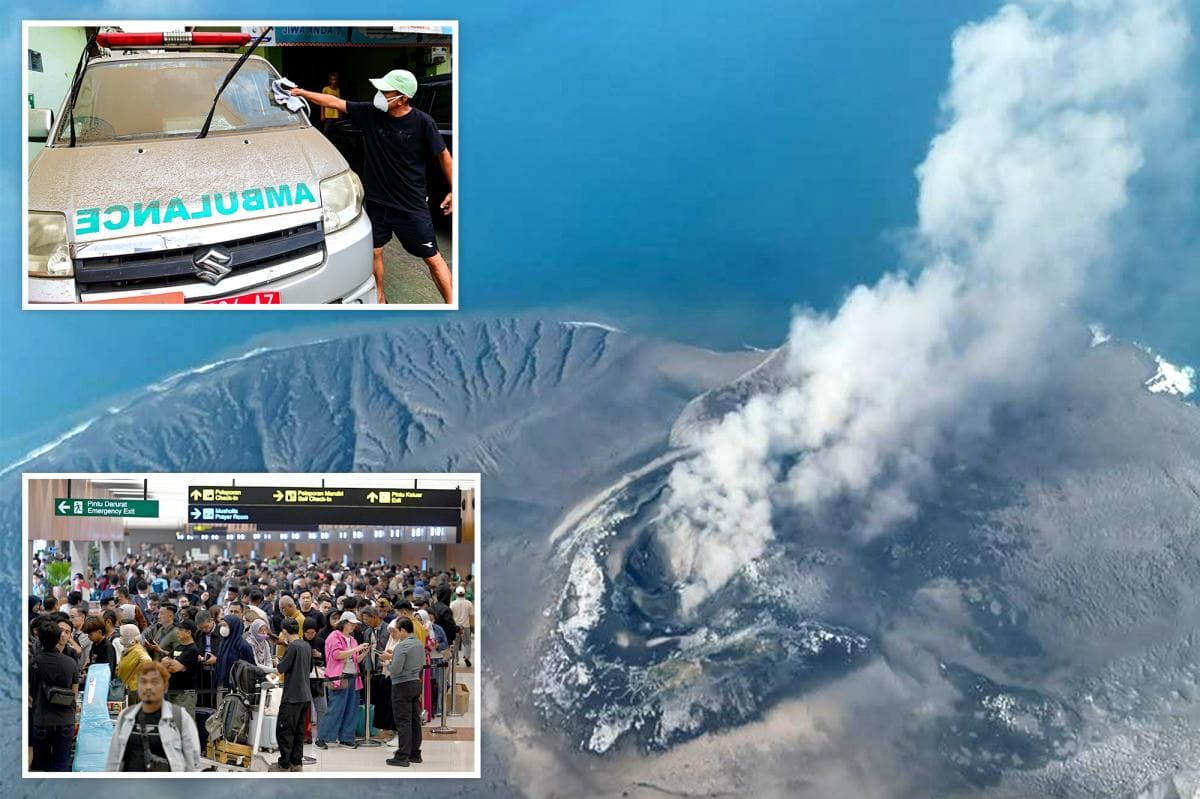
Thailand’s Suvarnabhumi Bangkok International Airport recorded 298 delays and three cancellations, while Jakarta Soekarno-Hatta reported 241 delays and 18 cancellations; Kuala Lumpur recorded 266 delays and Singapore Changi 188 delays.
2
Volcanic ash from Indonesia’s Anak Krakatau was identified as a significant factor in the disruption. Indonesia’s Transportation Ministry said Soekarno-Hatta, Halim Perdanakusuma and other affected airports had reopened in early September 2026, while monitoring continued based on volcanology updates and aviation-safety coordination.
3
Temporary airspace constraints and route adjustments linked to security conditions in parts of West Asia forced some flights onto longer routings, contributing to schedule reshuffling and leaving aircraft out of position at airports beyond the directly affected area.
4
Chinese airports were among the specifically reported hotspots: Beijing Daxing recorded 90 delays and six cancellations, Shenzhen Bao’an 112 delays and four cancellations, Chongqing Jiangbei 97 delays and four cancellations, Xi’an Xianyang 69 delays and four cancellations, and Chengdu Tianfu 61 delays and four cancellations.
5
The disruption was particularly difficult for connecting passengers because Asian hubs commonly use “banked” schedules, in which waves of arrivals feed waves of departures; airlines may either hold outbound flights for late connecting passengers or depart without them, increasing misconnections and rebooking pressure.
Asia's major airport hubs ground to a halt on September 19, 2026, with thousands of flight delays and hundreds of cancellations cascading across the region. Travel and Tour World reported 3,487 delays affecting travelers from Jakarta to Hong Kong, as weather, volcanic ash, and airspace restrictions overwhelmed tightly scheduled connecting flights.
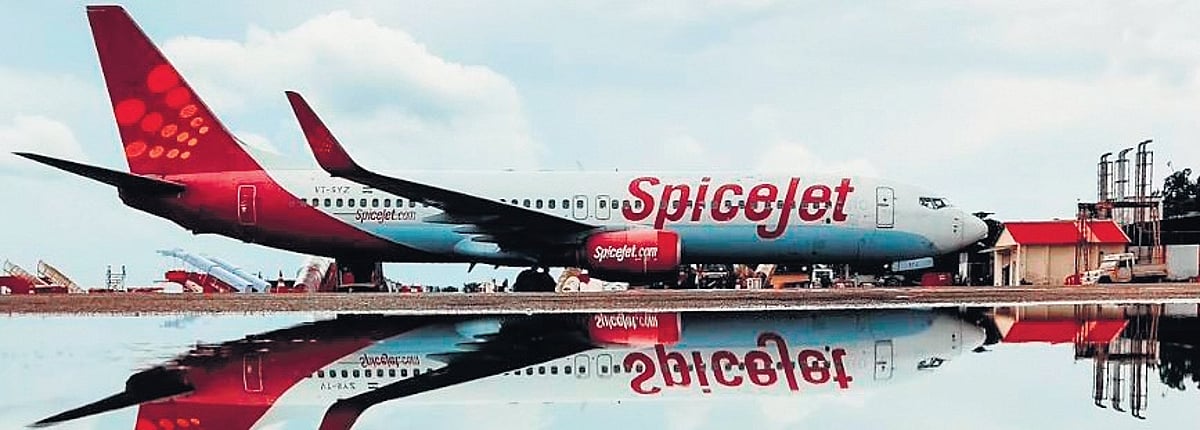
Bangkok's Suvarnabhumi Airport recorded 298 delays and three cancellations. Jakarta Soekarno-Hatta reported 241 delays and 18 cancellations. The New Indian Express noted that SpiceJet staff issues compounded the chaos at Delhi airport, where over 400 passengers faced major disruptions on the same day.
Volcanic Ash and West Asia Airspace Closures Trigger Cascade
Indonesia's Anak Krakatau volcano spewed ash that forced airport closures and route changes across Southeast Asia. Travel and Tour World identified volcanic ash as a major factor. Indonesia's Transportation Ministry confirmed that Soekarno-Hatta and Halim Perdanakusuma airports had reopened early September 2026, though monitoring continued based on volcanology updates.
Temporary airspace constraints in parts of West Asia forced airlines to reroute flights onto longer paths. Aircraft ended up out of position at airports beyond the directly affected zone, disrupting subsequent waves of departures across the region's tightly scheduled hub operations.
Chinese Airports Hit Hard by Domino Effect
China's major hubs absorbed heavy delays as the cascade spread westward. Beijing Daxing recorded 90 delays and six cancellations. Shenzhen Bao'an reported 112 delays and four cancellations. Chongqing Jiangbei, Xi'an Xianyang, and Chengdu Tianfu each logged between 61 and 97 delays, according to Travel and Tour World.
The disruption rippled through long-haul networks as aircraft rotation broke down. Airlines had to reschedule connecting flights and reposition crews, stretching delays deeper into evening and the following day.
Hub Banking Schedules Amplify Passenger Misconnections
Asian hubs use "banked" schedules — waves of arrivals feed waves of departures. When early flights delay, downstream connections collapse. Airlines must choose: hold departure flights for late passengers or depart on time, leaving thousands stranded and demanding rebooking.
The Daily Excelsior and The Traveler reported that hundreds of passengers at Delhi airport spent hours waiting in terminals on September 19. SpiceJet passengers faced particular strain as the carrier dealt with both operational delays and staff payment disputes that intensified the disruption.
Airlines Begin Rebooking as Conditions Stabilize
As volcanic ash dispersed and airspace reopened, carriers worked to restore normal schedules. Rebooking teams processed thousands of stranded passengers. The disruption, while severe, remained concentrated in the 24-hour window of September 19, with incremental recovery expected to begin the following morning.
Exact final figures remained uncertain — Travel and Tour World logged 3,487 delays and 241 cancellations in one count, reflecting the dynamic nature of operational data. Airlines continued monitoring volcanology reports and West Asia security conditions to avoid further routing disruptions.
Sentiment
Mostly NegativeNEGATIVENEUTRALPOSITIVE
Publishers
40
Articles
18
Reach
58
A
AnonymousAuthor