Targeting Ukrainian Culture
Russian Airstrikes Destroy Millions of Books and Threaten Ukraine's Publishing Industry
Anonymous
Key Points
1
The destruction comes as demand for Ukrainian-language books has risen since Russia’s 2022 invasion, increasing the pressure on publishers to maintain supply despite the losses.
2
The Konvi printing plant, which produced scientific, fiction and educational works, was also hit in July. Replacing a single printing press could cost about €1.2 million, while restoring the facility’s full capacity may take up to five years.
3
Publishers say the attacks could extend the production of academic materials from several months to more than six months, creating supply problems for future school years beyond the immediate loss of textbooks.
4
Ukrainian authorities say the damage extends beyond publishing: nearly 5,000 cultural sites—including cathedrals, museums and theaters—have been destroyed or damaged, and about 35,000 art objects have been looted.
5
Culture Minister Tetiana Berezhna characterized the attacks as a deliberate effort to undermine Ukrainian resilience and identity, saying, “culture is what makes us feel resilient, what makes us feel the owners of our land, of our destiny.”
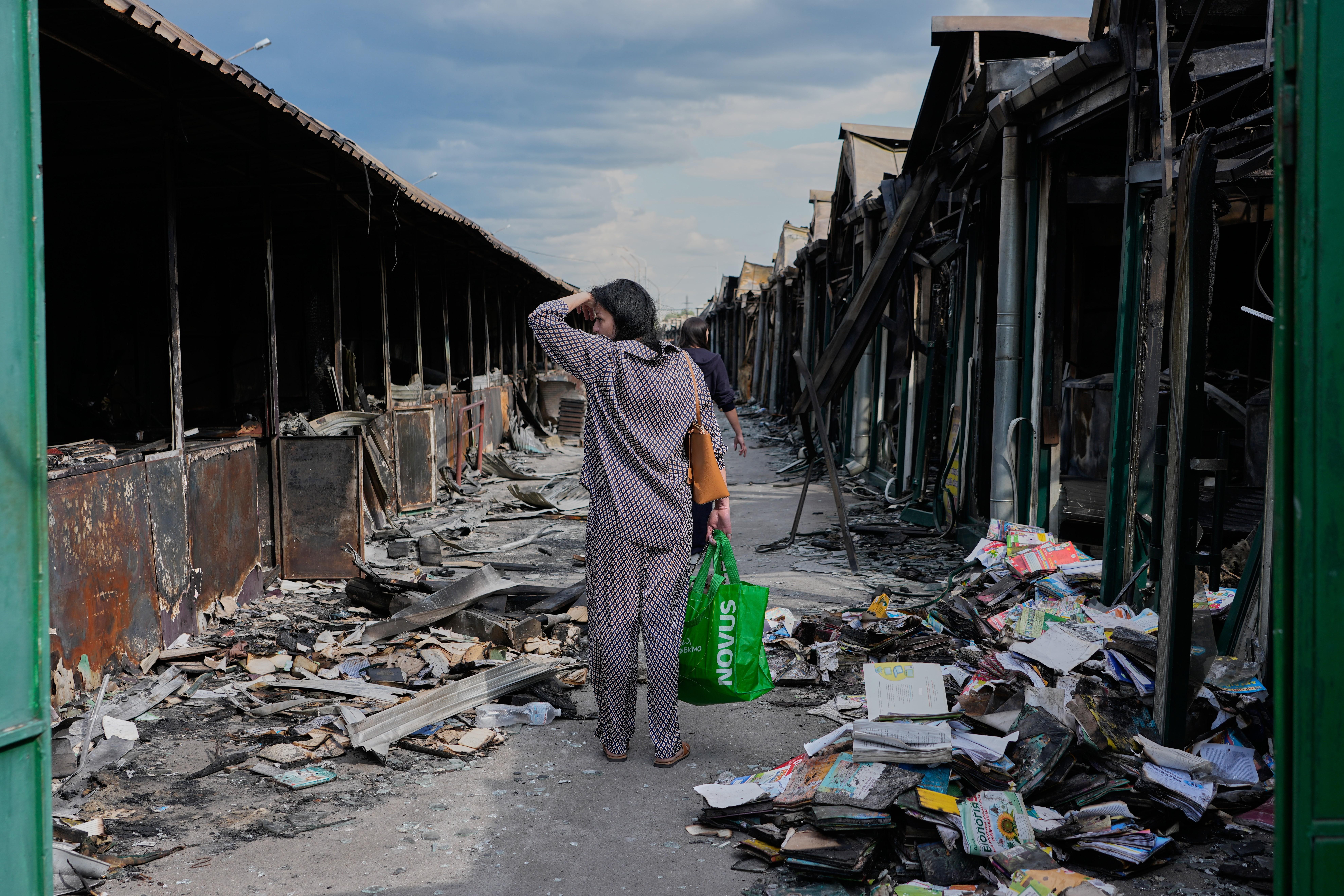
Russian strikes have destroyed more than 13 million books across Ukraine in two months—roughly one-third of the country's annual print output—causing at least $39.3 million in reported damage News Herald. The August 1 attack on a Kharkiv warehouse alone destroyed about 8 million books, including 620,000 school textbooks, after a fire burned for nearly a week.
The attacks have crippled printing facilities, publishing houses, and bookstores nationwide. Ukrainian officials say Russia is deliberately targeting cultural infrastructure to weaken national resilience. Culture Minister Tetiana Berezhna stated that NY Daily News "culture is what makes us feel resilient, what makes us feel the owners of our land, of our destiny."
The Kharkiv Warehouse Inferno
The August 1 strike on the Ranok warehouse in Kharkiv destroyed 8 million books in a fire that burned for nearly seven days EPTrail. The warehouse held school textbooks, children's books, and fiction—all critical supplies for Ukraine's education system. Roughly 620,000 school textbooks went up in smoke, creating immediate shortages for the upcoming academic year.
Printing Plants Face Years of Rebuilding
The Konvi printing plant, which produced scientific, fiction, and educational works, was also hit in July Twin Cities. Replacing a single printing press costs about €1.2 million. Full facility restoration could take up to five years, leaving publishers scrambling for alternative production capacity.
Publishers warn the delays will extend academic material production from months to over six months Trentonian. This timeline crunch threatens supply chains for multiple school years ahead. Smaller publishers face closure if they cannot absorb the reconstruction costs.
Broader Cultural Destruction Across Ukraine
The book attacks are part of a wider campaign targeting Ukrainian culture. Nearly 5,000 cultural sites—including cathedrals, museums, and theaters—have been destroyed or damaged since 2022 News Herald. Russian forces have looted approximately 35,000 art objects, stripping the nation of irreplaceable heritage.
Rising Ukrainian-Language Demand Meets Crisis
Demand for Ukrainian-language books has surged since Russia's 2022 invasion, putting immense pressure on publishers to maintain supply EPTrail. The destruction now forces publishers to choose: rebuild slowly or reduce investment in new Ukrainian writers. Industry leaders fear cultural censorship through economic attrition rather than direct suppression.
Sentiment
Mostly NegativeNEGATIVENEUTRALPOSITIVE
Publishers
13
Articles
87
Reach
100
Topics
A
AnonymousAuthor


