Saudi Arabia intercepts Houthi missiles.
Saudi-led coalition intercepts Houthi ballistic missiles over southern Saudi Arabia, averting damage.
Anonymous
Key Points
1
Turki al-Malki, the coalition spokesman, described the Houthi action as 'a ballistic missile threat from the terrorist Houthi militias' and said air defenses 'dealt with' the threat targeting the Southern Region.
2
The Saudi-led coalition said it intercepted ballistic missiles toward southern Saudi Arabia but did not specify how many missiles or where they were aimed; the Houthis had not commented on the coalition's statements at the time of publication.
3
Saudi Arabia’s Ministry of Defense separately stated that its air defenses dealt with ballistic missiles launched by Yemen’s Houthis toward the Kingdom’s southern region.
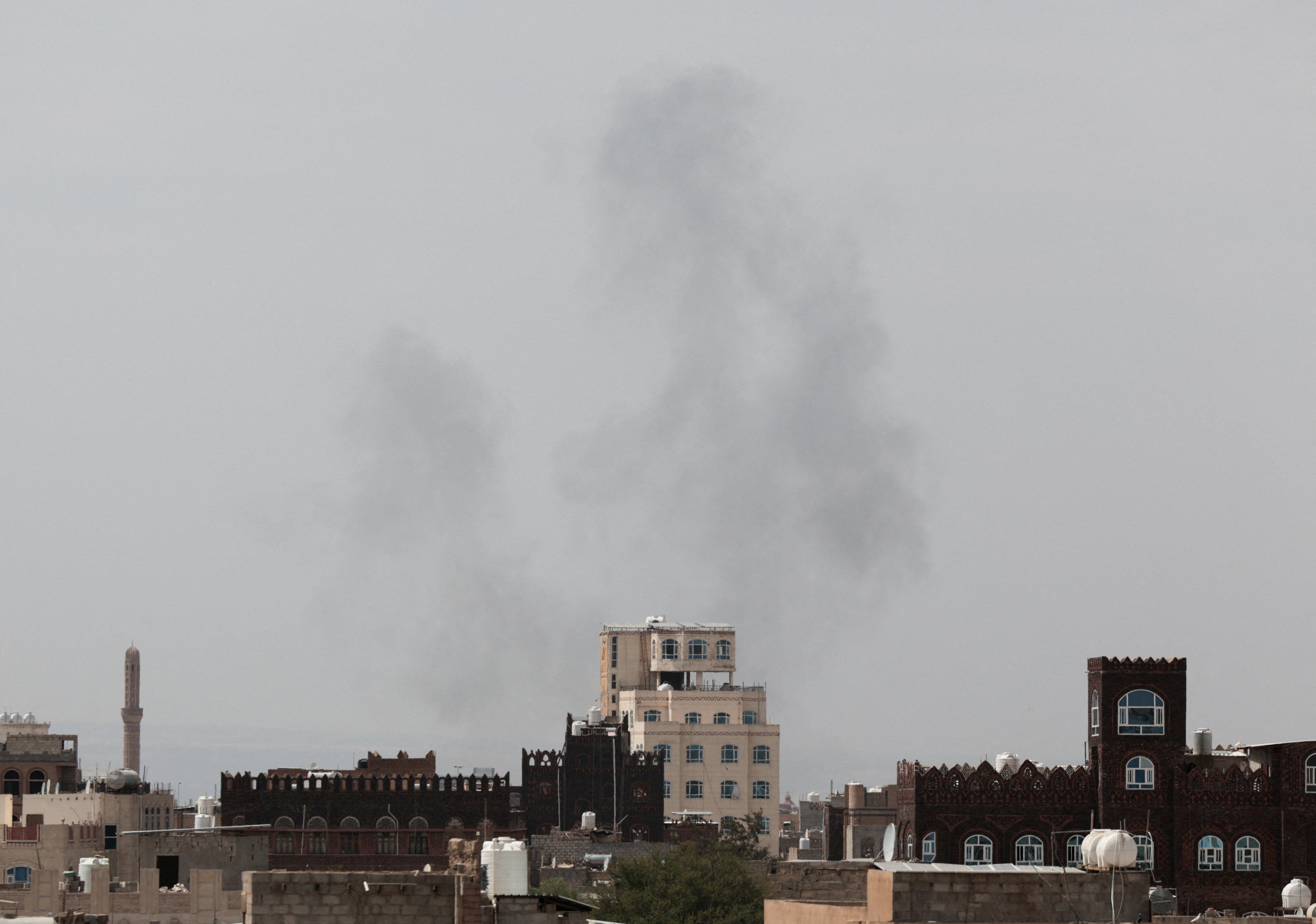
Saudi Arabia's air defenses shot down ballistic missiles fired by Yemen's Houthi movement toward the kingdom's southern region, the Saudi-led coalition announced. No casualties or damage were reported. Middle East Monitor confirmed the intercept, describing it as the latest in a string of Houthi attacks on Saudi territory.
Coalition spokesman Turki al-Malki called it "a ballistic missile threat from the terrorist Houthi militias" and said air defenses "dealt with" the incoming fire. Saudi Arabia's Ministry of Defense issued a separate statement confirming the same, according to Tri-City Herald.
Missiles Intercepted but Key Details Remain Unclear
The coalition did not say how many missiles were fired or which specific cities or sites were targeted in southern Saudi Arabia. The Houthis had not commented on the coalition's statements at the time of reporting, according to Kansas.com. That silence is notable — the group often claims its own strikes publicly.
Ledger-Enquirer noted that Saudi air defenses engaged the threat over the southern region, but officials gave no details on where the intercepted missile debris may have fallen. Intercepts do not always prevent all damage on the ground.
Attack Puts Years-Long Truce Under Serious Strain
Saudi Arabia and the Houthis have maintained a fragile, informal truce for several years. This latest launch could put that arrangement at serious risk, according to Kansas.com. The two sides have not fought at full scale since the truce took hold, but low-level attacks have never fully stopped.
The Houthis control large parts of northern Yemen, including the capital Sanaa. They are backed by Iran and have continued to build up their missile and drone arsenal throughout the ceasefire period, according to Ledger-Enquirer.
Interceptors Deployed Over Key Saudi Airbase
Crypto Briefing reported that interceptor missiles were deployed over King Khalid Airbase during the engagement. The airbase is a major military hub in southern Saudi Arabia. Its targeting signals the Houthis may be aiming at high-value military infrastructure, not just population centers.
Analysts view the use of interceptors over the airbase as a sign of escalation. The coalition has long relied on Patriot missile defense systems to knock down Houthi ballistic missiles before they can hit their targets.
Houthi Attacks on Saudi Arabia Have a Long History
The Houthis have fired hundreds of missiles and drones at Saudi Arabia since the Yemen war began in 2015. Saudi Arabia, backed by the United States and other allies, entered the conflict to restore the internationally recognized Yemeni government. The war has killed tens of thousands of people.
Middle East Monitor noted that tensions in the region remain high. The Houthis have also widened their attacks in recent months to target commercial shipping in the Red Sea, drawing international military responses. This latest missile launch suggests pressure on the Saudi front has not eased.
Sentiment
Mostly NegativeNEGATIVENEUTRALPOSITIVE
Publishers
16
Articles
25
Reach
41
Topics
A
AnonymousAuthor


